Steel Shredder for Sale: Key Buying Considerations

application/steel-shredder-for-sale, application/steel-shredder-for-sale, 
Inquiry
Inquiry

steel shredder for sale

When looking for a steel shredder for sale, buyers often seek reliable and efficient solutions for recycling metals and waste materials. Steel shredders are essential in various industries, including manufacturing and waste management, where they are used to process scrap steel and other metals into smaller, manageable pieces. This article will help you understand the critical specifications, cost factors, and common problems associated with steel shredders, enabling you to make informed purchasing decisions.

How to Compare Steel Shredders for Your Project Requirements

When comparing steel shredders, it’s essential to consider several factors that may vary between models. Here are key areas to examine:

Performance Ratings: Look for performance metrics such as shredding speed, reduction ratio, and energy consumption. These indicators can provide insights into how well a shredder will perform under your specific conditions.

Customization Options: Some manufacturers offer customization to meet specific project requirements. Inquire about custom blade configurations, additional features, or adaptations for unique materials.

Maintenance Needs: Analyze the maintenance requirements of each model. Frequent maintenance can lead to downtime, so models with lower maintenance needs might be more suitable for continuous operations.

Warranty and Support: Check the warranty terms and after-sales support provided by the manufacturer. A robust support system can be critical for troubleshooting and repairs.

User Reviews and Case Studies: Seek feedback from existing users and review case studies to understand how the shredder performs in real-world applications. This information can provide valuable insights that specifications alone may not reveal.

By taking the time to compare these factors, buyers can select a steel shredder that best fits their operational requirements and budget. Models such as the LE-500B Electrostatic Separator for Copper and Plastic Recovery exemplify efficient performance.

Understanding the Cost Factors of Steel Shredder Purchases

The cost of purchasing a steel shredder goes beyond the initial price tag. Here are several factors that influence the overall cost:

Initial Purchase Price: This is the most obvious cost factor. Prices can vary significantly based on the specifications, brand, and features of the shredder.

Installation Costs: Depending on the complexity of the installation, there may be additional costs for setup, which may include electrical work, foundation preparation, or integration with existing systems.

Operating Costs: Consider the energy consumption of the shredder, maintenance expenses, and the cost of replacement parts. A shredder with lower operational costs will generally provide better long-term value.

Training Expenses: If the shredder requires specialized operation, factor in costs associated with training personnel to use the equipment efficiently and safely.

Resale Value: Evaluate how well the shredder holds its value over time, which can be a consideration for future upgrades or replacements.

Understanding these nuanced cost factors will help buyers to budget more effectively and make a more informed investment.

A Step-by-Step Approach

To streamline the purchasing process for a steel shredder, follow these steps:

Define Your Needs: Clearly outline your operational requirements, including material type, volume, and desired output size. This will guide your specifications.

Research and Shortlist Options: Investigate different manufacturers and models, focusing on those that meet your specifications. Create a shortlist based on performance, price, and user feedback.

Request Quotes: Contact manufacturers to request detailed quotes, including specifications, customization options, and any additional services.

Evaluate Quotes: Compare the received quotes focusing on not just the initial price but also the warranty, service agreements, and total cost of ownership.

Conduct Site Visits: If possible, visit sites where the shredders are installed to see them in action and discuss with current users about their experiences.

Finalize the Purchase: Once a decision is made, finalize the purchase agreement, ensuring all terms are clear, including delivery timelines and installation support.

By following this methodical approach, buyers can minimize risks and make decisions that align with their operational goals.

Common Problems When Using Steel Shredders and Their Solutions

Operating a steel shredder can present several challenges. Here are some common problems and their potential solutions:

Overheating: Shredders can overheat due to excessive material feed or inadequate cooling. Ensure that the shredder is not overloaded and consider implementing a cooling system or scheduled breaks to allow the machine to cool down.

Blade Dullness: Dull blades can lead to inefficient shredding and increased energy consumption. Regular inspections and timely blade sharpening or replacement are crucial for maintaining performance.

Material Jamming: Jamming can occur if materials are fed too quickly or if inappropriate materials are introduced. Implement standard operating procedures that include training operators on proper feeding techniques.

Electrical Failures: Electrical issues can halt operations. Regular maintenance checks on electrical systems and connections can prevent unexpected failures.

Poor Output Quality: If the output size does not meet specifications, it may indicate the need for blade adjustments or changes in feed material. Analyzing the output regularly can help in identifying and correcting issues promptly.

Addressing these common problems proactively can lead to smoother operations and extended equipment lifespan. Consider investing in models like the LX-300A 100-150kg/h Copper Wire Granulator for Scrap Cables for better performance.

By understanding these aspects of steel shredders, potential buyers can make informed decisions that align with their operational needs and budget considerations. Being well-prepared with this knowledge can facilitate a more efficient purchasing process and lead to successful machinery integration into existing operations.

Key Specifications to Evaluate When Buying a Steel Shredder

When selecting a steel shredder, understanding key specifications is vital for ensuring that the equipment meets your operational needs. Here are some important specifications to consider:

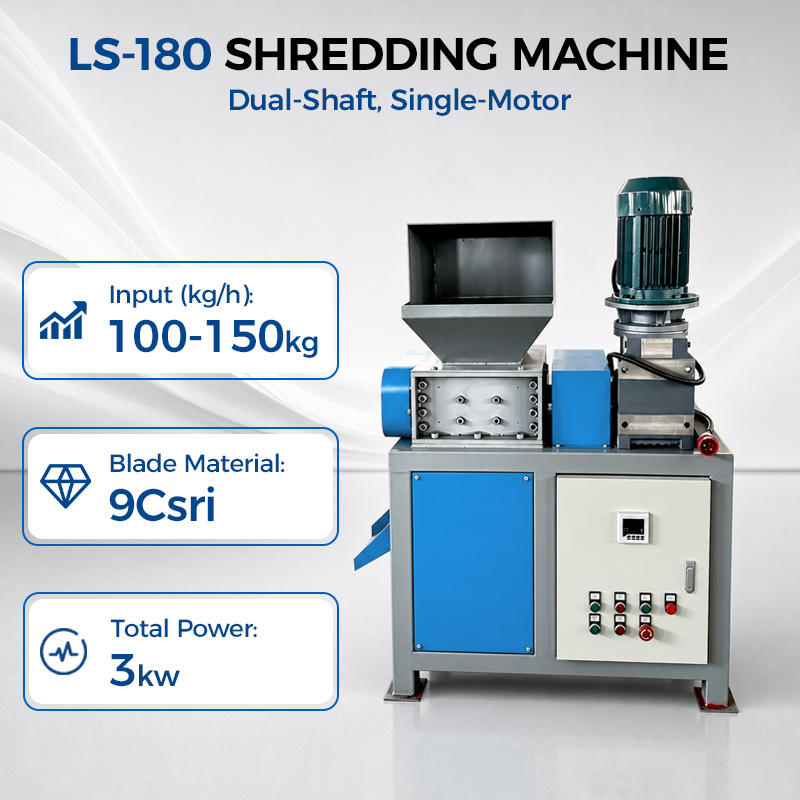
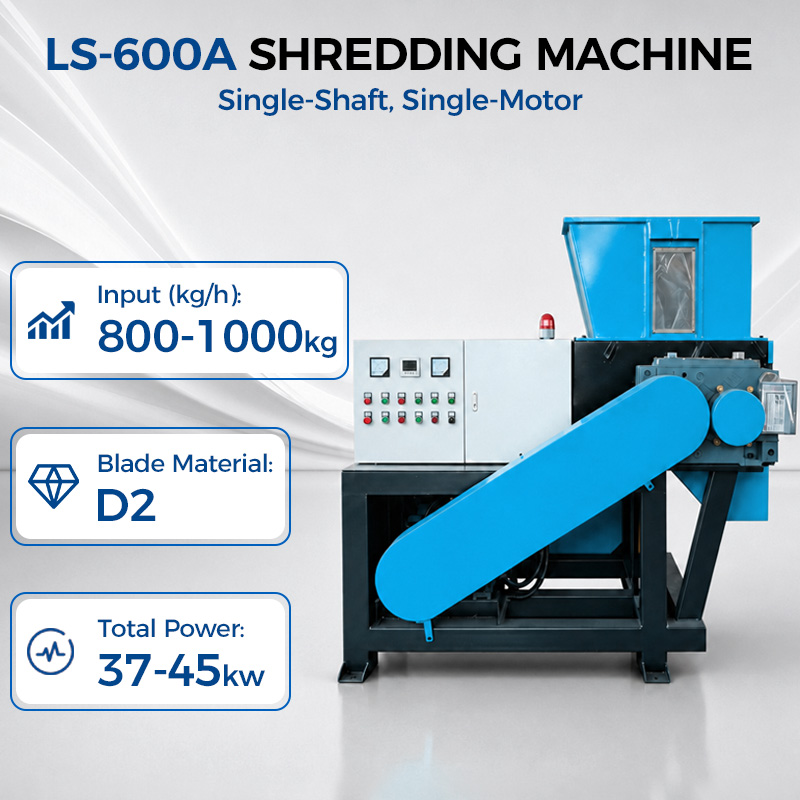
Capacity: This refers to the amount of material the shredder can process within a given time frame, typically measured in tons per hour. Buyers should evaluate their production requirements to choose a model that aligns with their throughput needs.

Motor Power: The power of the motor directly influences the shredding efficiency and capability. A more powerful motor can handle tougher materials and higher volumes but may also increase operational costs.

Blade Configuration: The design and material of the blades affect the shredder's efficiency and longevity. High-quality blades made from durable materials, such as hardened steel, can provide better performance and reduce the frequency of replacements.

Dimensions: The overall size of the shredder and the size of the feed opening must match the space available in your facility and the size of the materials being processed. For instance, the LS-600B 22 kW Dual-Shaft Shredder for Waste Pre-Processing is designed for high-capacity needs.

Safety Features: Evaluate the safety mechanisms in place, such as emergency stop buttons, safety guards, and overload protection, to ensure the safety of operators and machinery.

Understanding these specifications allows buyers to choose a steel shredder that efficiently meets their production and safety requirements.

Get a Free Quote

Tell us about your recycling needs, and our team will recommend the right equipment and solution for your project.
0/1000