Mini Metal Shredder for Sale - Key Features & Benefits

application/mini-metal-shredder-for-sale, application/mini-metal-shredder-for-sale, 
Inquiry
Inquiry

mini metal shredder for sale

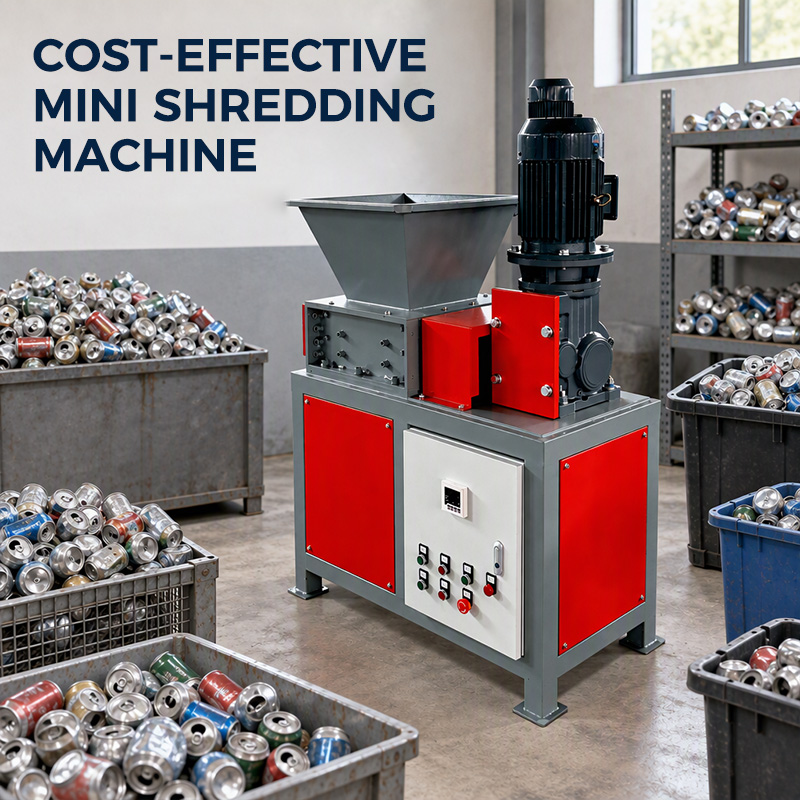
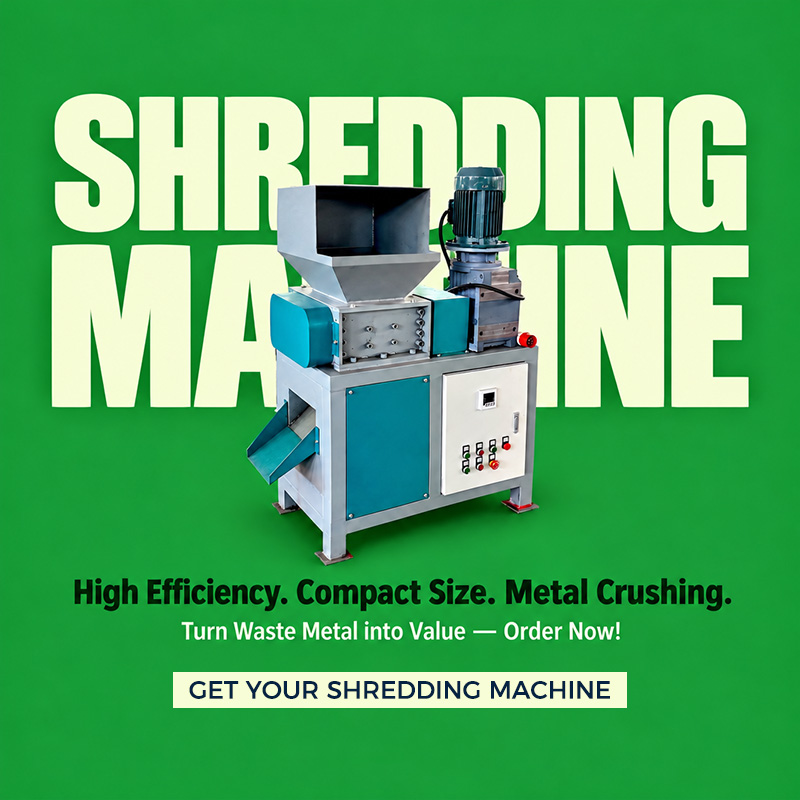
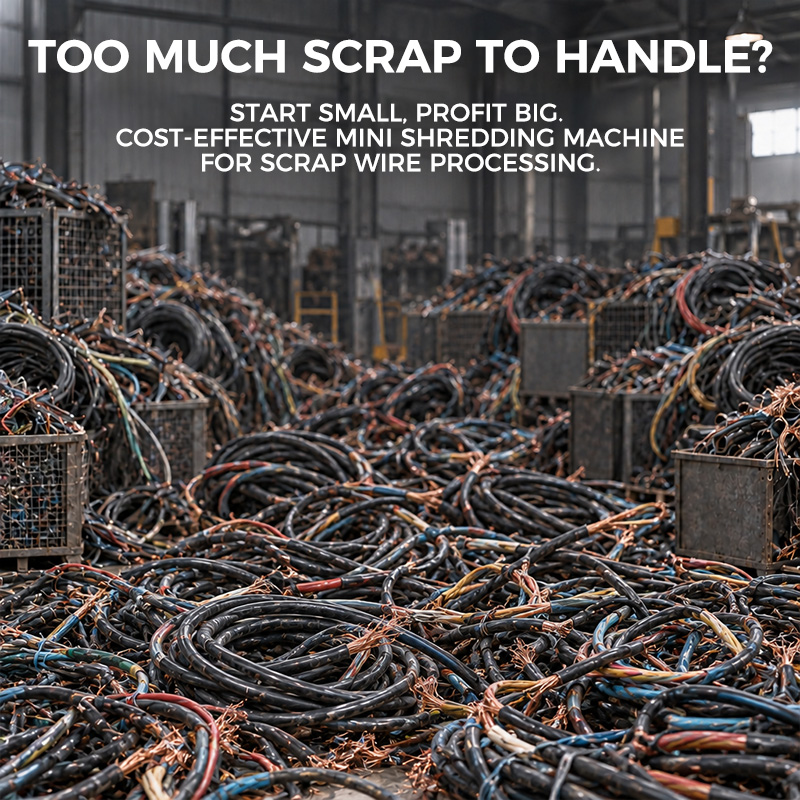
A mini metal shredder is an essential piece of equipment designed for the efficient processing of various metals, especially in recycling and waste management applications. Buyers looking for a mini metal shredder for sale often prioritize factors such as specifications, cost-effectiveness, and potential operational challenges. This article provides a comprehensive overview of what to consider when selecting a mini metal shredder, highlighting key specifications, cost benefits, practical tips for successful operation, common issues, and diverse applications across industries.

Cost and Benefits

Cost and Benefits

Investing in a mini metal shredder involves evaluating both the initial purchase cost and the long-term benefits. The upfront cost can vary significantly based on specifications, brand reputation, and additional features. Here are some cost considerations:

Initial Investment: While lower-cost options may seem attractive, they often compromise on quality and durability. It is essential to balance cost with the shredder's expected performance and lifespan.

Operational Costs: Consider the operating expenses, including energy consumption, maintenance, and potential downtime. A shredder that is energy-efficient may have a higher initial cost but can lead to significant savings over time.

Return on Investment (ROI): The ability to recycle more materials efficiently can enhance profitability. By investing in a reliable mini metal shredder, businesses can reduce waste disposal costs and generate revenue from recycled metals. Additionally, utilizing a Shredding Machine can further enhance operational efficiency.

Customization Options: Some manufacturers offer customization features that can enhance the shredder's efficiency for specific applications. This flexibility can justify a higher price point.

After-Sales Support: Reliable after-sales service, including maintenance and parts supply, is a valuable aspect that should be factored into the overall cost evaluation.

By understanding the cost dynamics and potential benefits, buyers can better assess the value of a mini metal shredder for their operations.

Tips for Success

Tips for Success

To ensure successful operation and longevity of the mini metal shredder, consider the following tips:

Appropriate Material Selection: Not all metals are suitable for shredding in every machine. Ensure the materials fed into the shredder match its specifications to avoid jams or excessive wear.

Regular Maintenance: Implement a routine maintenance schedule to keep the shredder in optimal working condition. This includes checking blade sharpness, lubricating moving parts, and cleaning debris buildup.

Operator Training: Ensuring operators are well-trained on the machine’s functionalities and safety protocols can significantly reduce accidents and improve efficiency.

Monitor Performance: Regularly assess the shredder's performance metrics, such as output size and processing speed. This data can help identify when adjustments or maintenance are needed.

Use of Safety Gear: Operators should always wear appropriate personal protective equipment (PPE) when operating the shredder to minimize injury risks.

Testing Before Full Production: If possible, run small batches of materials to assess the shredder's performance before scaling up to full production levels.

These practices not only enhance operational efficiency but also extend the lifespan of the equipment.

Common Problems with Mini Metal Shredders and Their Solutions

Common Problems with Mini Metal Shredders and Their Solutions

Despite their robust design, mini metal shredders can encounter common issues. Here’s a look at some potential problems and their solutions:

Jamming: This often occurs when materials that exceed the shredder's feed capacity are introduced. To resolve this, ensure that only approved materials are processed and monitor the shredding operation closely.

Excessive Wear: If blades wear out quickly, it can point to improper material selection or insufficient maintenance. Regularly inspect blades and replace them as needed, ensuring they are suitable for the materials being shredded.

Overheating: Excessive heat can result from prolonged operation or lack of lubrication. Ensure that the shredder is not overloaded and that lubrication is maintained according to the manufacturer's guidelines.

Electrical Issues: If the shredder fails to start or stops unexpectedly, check the electrical connections and fuses. Regular inspection of wiring can help prevent these issues.

Vibration Problems: Excessive vibration may indicate an imbalance or a mechanical issue. Inspect the assembly of the shredder and ensure it is securely mounted.

By proactively addressing these common issues, operators can maintain peak performance and reliability.

Applications of Mini Metal Shredders in Various Industries

Mini metal shredders are versatile tools employed across several industries for diverse applications:

Recycling Facilities: These shredders are widely used to process scrap metal, including aluminum, copper, and steel, turning waste into reusable materials.

Automotive Industry: Car manufacturers and recyclers utilize mini metal shredders to recover valuable metals from end-of-life vehicles, enhancing recycling efficiency.

Construction and Demolition: Construction sites use mini metal shredders to process leftover metal materials, such as rebar and metal siding, contributing to sustainable building practices.

Electronics Recycling: The shredders can efficiently handle e-waste, breaking down old appliances and electronics to recover precious metals. For specialized needs in electronic waste, consider using a Wire Stripping Machine.

Manufacturing Residue: Manufacturers often face metal waste from production processes. Mini metal shredders help in the effective management of this waste, promoting a circular economy.

In summary, a mini metal shredder for sale presents a practical solution for businesses seeking to enhance their recycling capabilities and manage metal waste efficiently. By understanding the critical specifications, cost implications, operational best practices, common challenges, and industry applications, B2B buyers can make informed decisions that align with their operational goals.

Key Specifications to Compare in Mini Metal Shredder Models

When evaluating mini metal shredders, several key specifications should be compared to ensure the selected model meets operational needs:

Power and Capacity: The motor power, usually measured in horsepower (HP), directly impacts the shredder's ability to process materials efficiently. A higher horsepower typically translates to greater throughput, allowing for more substantial quantities of metal to be shredded in less time.

Cutting Mechanism: The design of the cutting blades is critical for performance. Buyers should consider whether the shredder uses rotary or fixed blade systems, as each design offers different advantages in terms of material handling and maintenance.

Feed Size and Dimensions: The size of the input feed opening and the dimensions of the shredder play a significant role in the types of materials that can be processed. Ensure that the shredder can accommodate the specific sizes of scrap metal or waste being processed.

Weight and Portability: Depending on the intended location of use, the weight of the shredder may be a concern. Lighter models can be moved easily, while heavier models might provide more stability during operation.

Safety Features: Look for built-in safety mechanisms, such as emergency stops, protective covers, and overload protection to ensure safe operation.

Material Construction: The construction material of the shredder affects its durability and resistance to wear. High-quality steel components can enhance the lifespan and reliability of the machine. To optimize performance, consider investing in a Copper Granulator for further processing recovered materials.

Understanding these specifications enables buyers to make informed decisions that align with their processing requirements.

Get a Free Quote

Tell us about your recycling needs, and our team will recommend the right equipment and solution for your project.
0/1000