Choosing the Right Mini Metal Shredder Machine

application/mini-metal-shredder-machine, application/mini-metal-shredder-machine, 
Inquiry
Inquiry

mini metal shredder machine

Mini metal shredder machines are essential for businesses looking to efficiently recycle metal waste and reduce operational costs. These compact machines can handle various types of metals, making them a versatile solution for many industries. As a B2B buyer, your main concerns likely include selecting the right model, ensuring product quality, and understanding the machine's applications. This article will guide you through the critical aspects of choosing and operating a mini metal shredder machine, addressing common buyer questions and providing actionable insights.

Top Applications of Mini Metal Shredder Machines in Industry

Top Applications of Mini Metal Shredder Machines in Industry

Mini metal shredder machines find applications across various industries, primarily in recycling and waste management. Here are some of the leading applications:

Scrap Metal Recycling: These machines are ideal for processing scrap metal into manageable sizes, enabling easier transportation and resale. Businesses in the recycling industry can significantly benefit from shredding metals to increase their value.

Automotive Industry: In automotive manufacturing and recycling, mini metal shredders can process discarded parts, such as engines and transmissions, making it easier to recover valuable metals.

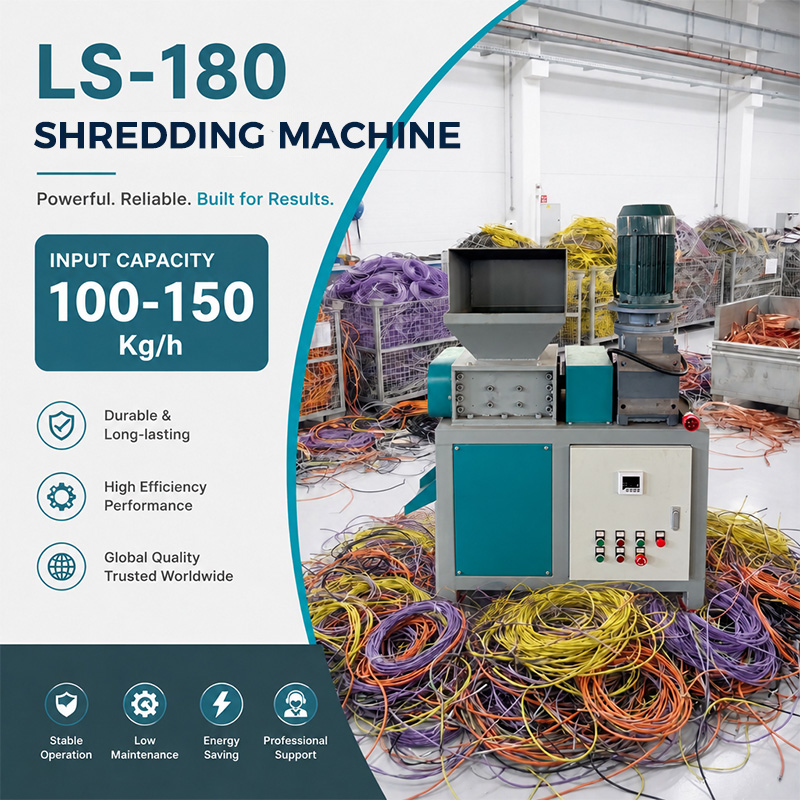
Electronics Recycling: With the rise of e-waste, mini metal shredders are increasingly used to process old appliances and electronics, ensuring proper recovery of metals while adhering to environmental regulations.

Construction and Demolition: Shredding metal debris from construction sites can help improve site safety and facilitate easier waste management. Consider using machines like the LS-400B 15 kW 750-900Kg/h Twin-Motor Dual-Shaft Shredder for robust performance in such applications.

Manufacturing Waste: Factories can use mini metal shredders to recycle excess metal produced during manufacturing processes, thus reducing waste and lowering disposal costs.

Evaluating Quality Standards in Mini Metal Shredder Machines

Evaluating Quality Standards in Mini Metal Shredder Machines

The quality of mini metal shredder machines significantly impacts their performance and longevity. Here are some key standards and features to evaluate:

Build Quality: Check for robust construction materials, such as high-grade steel, which can withstand heavy loads and resist wear and tear. A well-built machine will minimize maintenance costs and downtime.

Motor Power and Efficiency: Investigate the motor specifications, including horsepower and efficiency ratings. A powerful motor can handle tougher materials and provide consistent performance.

Safety Features: Look for machines equipped with safety features, such as automatic shut-off mechanisms and emergency stop buttons, to protect operators during use.

Certifications: Verify that the shredder meets relevant industry standards and certifications, such as ISO or CE marking. This ensures compliance with safety and performance regulations.

Warranty and Support: A reliable manufacturer will offer a warranty and robust after-sales support. This can be crucial for troubleshooting issues that may arise during operation.

Installation Guidance for Efficient Operation of Shredder Machines

Installation Guidance for Efficient Operation of Shredder Machines

Proper installation of your mini metal shredder machine is crucial for efficient operation. Here are some essential steps to follow:

Site Preparation: Ensure the installation site is level and can support the machine's weight. Adequate space around the machine for maintenance and operation should also be considered.

Power Supply: Confirm that the electrical supply matches the machine's requirements. An electrician should install the electrical components to ensure compliance with safety standards.

Safety Protocols: Establish safety protocols before operation. Train staff on operating procedures and safety measures to minimize risks.

Testing and Calibration: Before full-scale operation, conduct test runs to calibrate the machine settings for optimal performance. Adjust parameters like feed speed and output size based on your material types.

Regular Maintenance Schedule: Develop a maintenance schedule to keep the machine in top condition. Regular checks can help identify potential issues before they affect productivity.

Common Problems with Mini Metal Shredder Machines and Solutions

Understanding potential problems with mini metal shredder machines can help you minimize downtime and maintain efficiency. Here are some common issues and solutions:

Jamming: Metal jamming can occur if the machine is overloaded or if the wrong type of material is fed. To prevent this, ensure that operators are trained on proper feeding techniques and material compatibility.

Inconsistent Shredding: If the output size is inconsistent, check for wear on the blades. Dull blades may need sharpening or replacement. Regular maintenance can help prolong blade life.

Overheating: If the shredder overheats, it may indicate excessive load or improper ventilation. Ensure the machine operates within its capacity and that cooling systems are functioning correctly.

Electrical Issues: Flickering lights or tripped breakers could signal electrical problems. Regular inspections of electrical components can prevent these issues from escalating.

Unusual Noises: Strange sounds during operation may indicate mechanical issues. Investigate immediately and consult the manufacturer if necessary to avoid severe damage.

By understanding these common problems and their solutions, B2B buyers can make informed decisions regarding maintenance and operation, ensuring their mini metal shredder machines operate efficiently and effectively.

How to Choose the Right Mini Metal Shredder Machine for Your Needs

Selecting the appropriate mini metal shredder machine involves understanding your specific requirements, including the type of metals you will process, the volume of material, and the desired output size.

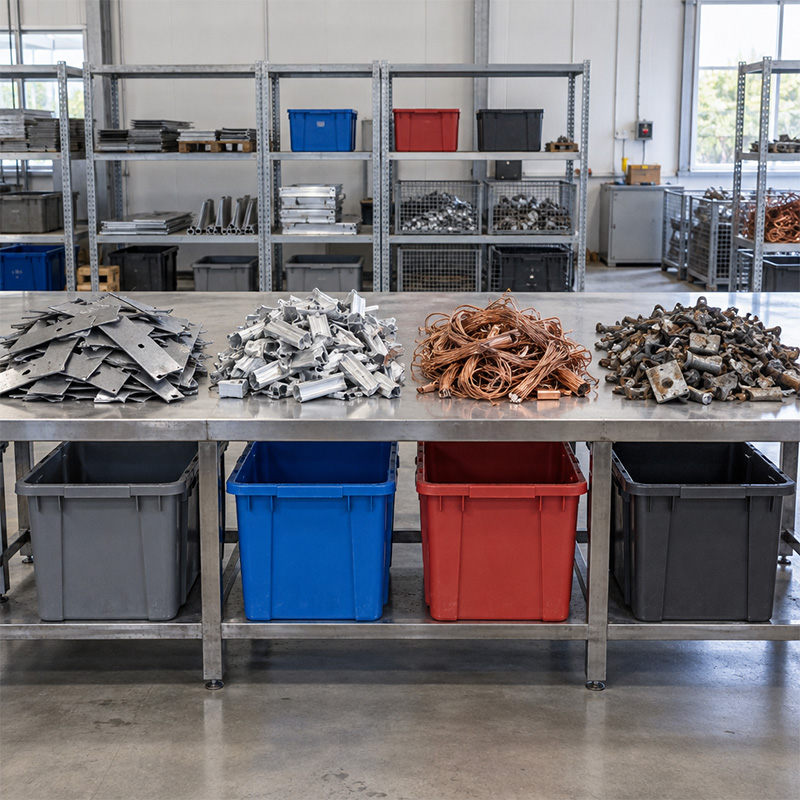
Material Type: Different machines are designed to handle various metals such as aluminum, copper, and steel. Ensure the shredder you choose is compatible with the metal types your business typically processes.

Output Size: Different applications may require different shredded sizes. Determine the specifications for the end product—whether you need fine particles for smelting or larger pieces for resale.

Capacity and Throughput: Assess the production capacity of the shredder. Consider how many tons of metal you plan to shred per hour, as this will affect your operational efficiency. Models like the LE-500B Electrostatic Separator for Copper and Plastic Recovery can handle high throughput, making them suitable for larger operations.

Power Requirements: Ensure the machine’s power consumption aligns with your facility's capabilities. Higher power machines may offer better performance but can also lead to higher operational costs.

Customization Options: Depending on your needs, you may require specific features such as automated feeding systems or integrated dust collection. Look for manufacturers that offer customization to suit your operational requirements.

Get a Free Quote

Tell us about your recycling needs, and our team will recommend the right equipment and solution for your project.
0/1000