Industrial Wire Stripping Machine: Key Considerations

application/industrial-wire-stripping-machine, application/industrial-wire-stripping-machine, 
Inquiry
Inquiry

industrial wire stripping machine

When considering the purchase of an industrial wire stripping machine, it’s essential to understand the key factors that influence its performance and suitability for your operations. These machines are critical for efficiently processing waste cables and metals, allowing for effective recycling and cost savings. This article will guide you through the crucial aspects of selecting an industrial wire stripping machine, addressing buyer concerns such as specifications, quality evaluation, supplier sourcing, and cost analysis for bulk orders.

Key Specifications for Reliable Industrial Wire Stripping Machines

When evaluating industrial wire stripping machines, several specifications are critical to ensure reliability and performance:

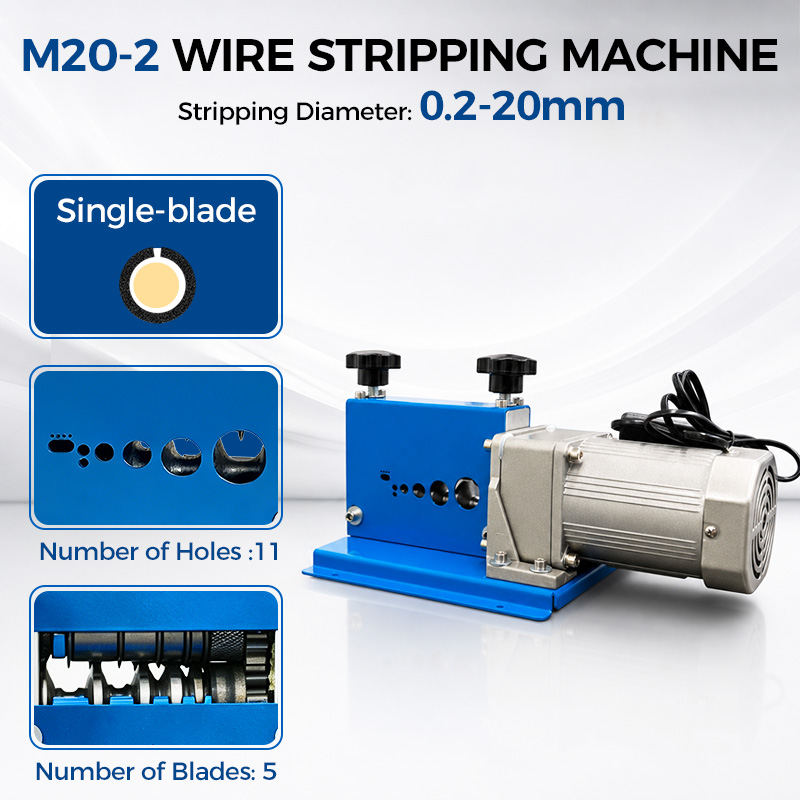
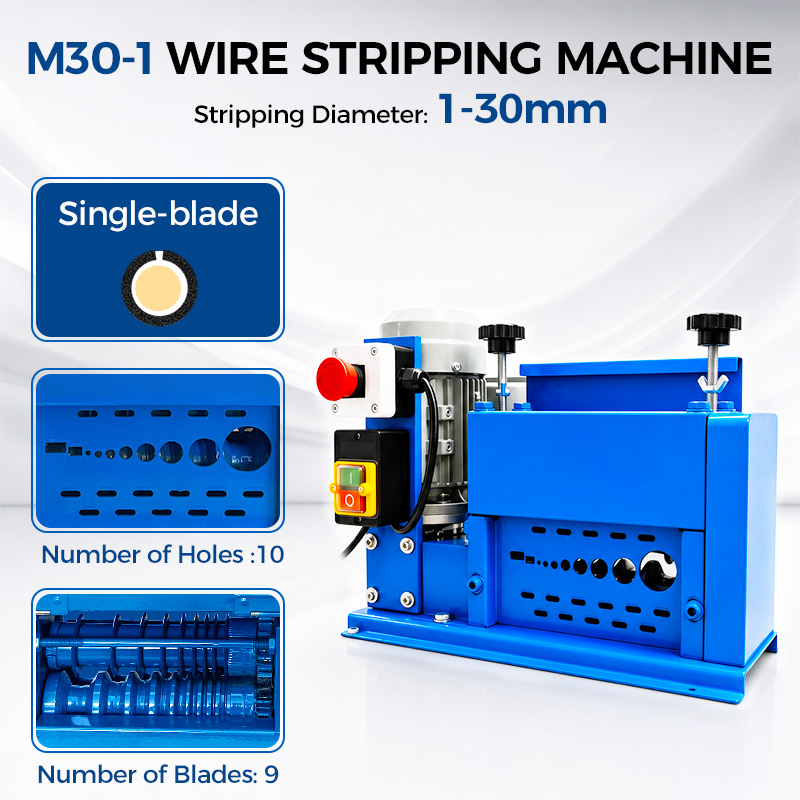
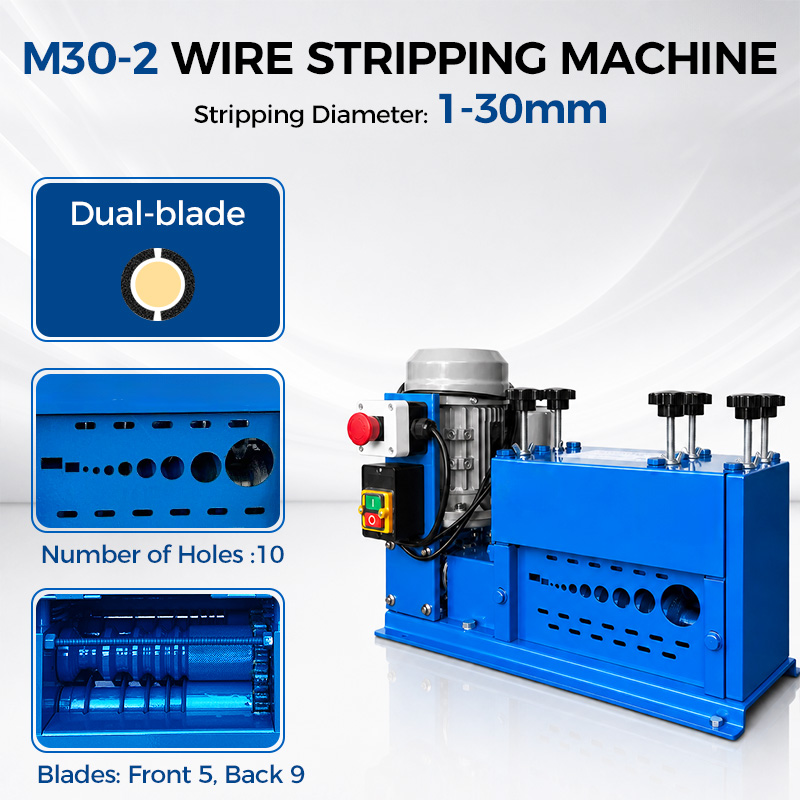
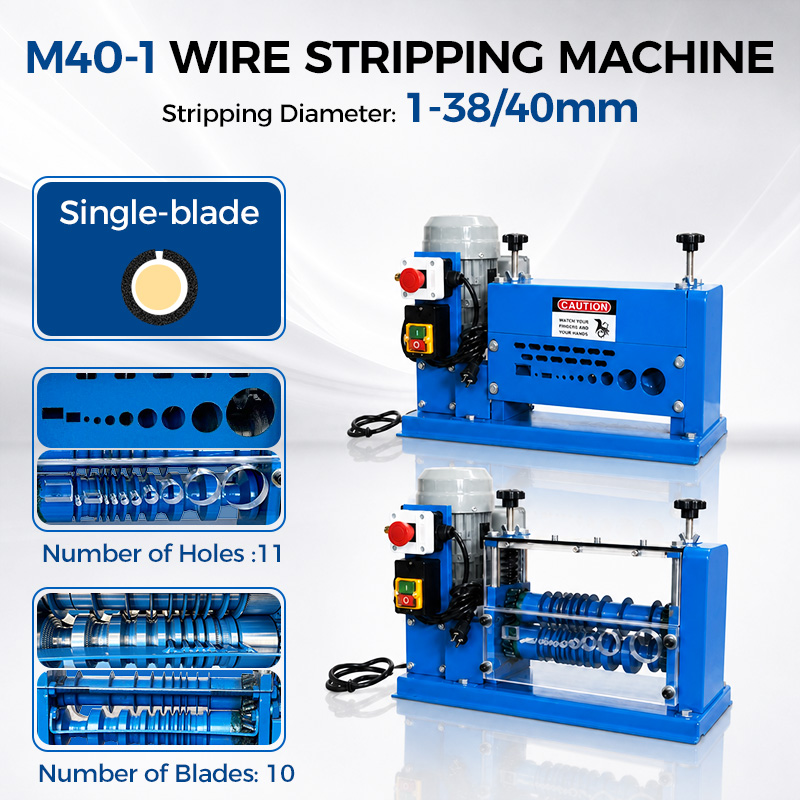
Stripping Capacity: This indicates the range of wire gauges the machine can handle. It’s essential to choose a model that can accommodate the specific sizes of cables you typically work with.

Motor Power: A robust motor is necessary for efficient stripping operations. Consider the horsepower and torque ratings, as these will directly impact the machine's ability to process tougher materials.

Speed: Look for machines with adjustable speeds. A higher speed may increase productivity, but it should not compromise the quality of the stripping process.

Material Construction: The machine’s build quality affects durability and longevity. Steel frames and high-quality components can withstand the rigors of industrial environments better than lighter materials.

Automation Features: Advanced models may offer automated settings for different wire types, which can streamline operations and reduce manual adjustments. For example, the LX-400B 150-350kg/h Copper Wire Granulator with Cooling System incorporates such advanced features.

By understanding these specifications, buyers can make informed decisions that align with their operational needs.

How to Evaluate the Quality of Wire Stripping Equipment

Quality evaluation of wire stripping machines involves several practical steps. First, request samples or demonstrations from suppliers. Observing the machine in action allows you to assess its performance and stripping quality firsthand. Look for clean, consistent cuts without damaging the wire’s metal core.

Next, review the machine’s construction quality. A well-built machine will often weigh more due to the materials used, indicating durability. Examine the components, such as blades and motor parts, for quality indicators like hardened steel or reputable brand names.

It’s also beneficial to check for certifications that align with industry standards. These certifications can provide assurance regarding the machine's reliability and safety. Finally, consider customer reviews and case studies from other businesses that have used the equipment. Real-world feedback can offer valuable insights into long-term performance and potential issues.

Supplier Sourcing Tips for Industrial Wire Stripping Machines

Sourcing a reliable supplier for industrial wire stripping machines requires careful consideration. Start by researching manufacturers with a strong reputation in the industry. Look for companies that specialize in recycling equipment, as they are more likely to understand your specific needs and offer tailored solutions.

When assessing potential suppliers, inquire about their experience and capabilities. A manufacturer that provides integrated solutions—from design to after-sales service—can be a significant advantage, ensuring a smoother purchasing and operational process.

Request detailed product information, including specifications, warranties, and maintenance support. Additionally, check their export capabilities if you are sourcing from international suppliers, as this can affect lead times and shipping costs.

Finally, consider establishing a relationship with suppliers who can offer customization options. Tailored machines can better meet your operational requirements and enhance overall efficiency.

Cost Factors to Analyze for Bulk Orders of Wire Stripping Machines

When planning for bulk orders of industrial wire stripping machines, several cost factors should be analyzed to optimize your investment:

Unit Price: Volume purchases typically lead to lower unit prices. Request quotes from multiple suppliers to compare pricing and terms.

Shipping and Handling: Factor in transportation costs, especially if sourcing from overseas. Shipping fees can significantly affect the total cost, so inquire about delivery options and lead times.

Customizations: If you require specific features or modifications, these can increase the base price. Ensure you understand how customizations impact the overall cost.

Maintenance and Operating Costs: Consider the long-term costs associated with the machine, including maintenance, energy consumption, and any necessary spare parts. A cheaper upfront cost may lead to higher operational expenses if the equipment is less efficient or requires frequent repairs.

Financing Options: Some suppliers may offer financing or leasing options, which can help manage cash flow while acquiring essential equipment.

By thoroughly analyzing these factors, you can make a more informed decision that aligns with both your budget and operational requirements. In summary, choosing the right industrial wire stripping machine involves a careful evaluation of specifications, quality, supplier reliability, and cost factors. By understanding these elements, you can make a purchasing decision that enhances your recycling operations and supports sustainable practices in your business.

What to Consider When Choosing an Industrial Wire Stripping Machine

Selecting the right industrial wire stripping machine involves several considerations. First, assess the types of cables your operation will process. Different machines handle varying wire sizes and materials, so ensure the model you choose is compatible with your specific applications. For instance, the LE-1200 Electrostatic Copper-Plastic Separator with Dust Collection is designed for effective processing of specific materials.

Additionally, consider the machine's stripping speed and efficiency, as these factors will directly affect your production output. Look for machines with adjustable settings to accommodate various wire gauges and insulation types. Another key consideration is the ease of maintenance; a machine that is difficult to service can lead to prolonged downtimes, impacting overall productivity.

Another important aspect is the machine's safety features. Ensure that it meets industry safety standards to protect your operators during use. Lastly, consider the manufacturer’s reputation and support services, as reliable after-sales support can be crucial for long-term operational success.

Get a Free Quote

Tell us about your recycling needs, and our team will recommend the right equipment and solution for your project.
0/1000