Key Specifications of Industrial Hard Drive Shredders

application/industrial-hard-drive-shredder, application/industrial-hard-drive-shredder, 
Inquiry
Inquiry

industrial hard drive shredder

Industrial hard drive shredders are critical tools for businesses that need to securely dispose of outdated or sensitive electronic data. These machines are designed to physically destroy hard drives, rendering the data irretrievable. As a B2B buyer, you are likely concerned about the shredder's performance, reliability, and overall cost-effectiveness. This article will help you understand key specifications, evaluate supplier reliability, assess cost factors, identify common problems, and provide installation guidance for your industrial hard drive shredder.

How to Evaluate Supplier Reliability for Hard Drive Shredders

How to Evaluate Supplier Reliability for Hard Drive Shredders

When sourcing an industrial hard drive shredder, evaluating supplier reliability is crucial. Here are key factors to consider:

Experience and Reputation: Assess the supplier's experience in the industry. Reliable suppliers often have a history of successful installations and a solid reputation. Look for customer reviews, case studies, and testimonials to gauge satisfaction levels.

Quality Standards: Check if the supplier adheres to recognized quality standards, such as ISO certifications. These certifications can indicate a commitment to maintaining high manufacturing and operational standards.

After-Sales Support: Evaluate the supplier’s customer service and after-sales support. Reliable suppliers should offer comprehensive service packages, including installation, maintenance, and troubleshooting support.

Customization Options: A trustworthy supplier should be able to provide tailored solutions based on your specific requirements. This includes the ability to customize shredders for unique processing needs or facility constraints.

Warranty and Service Agreements: Review the warranty and service agreements offered. A robust warranty indicates confidence in the product, while service agreements can provide peace of mind regarding maintenance and repairs.

By thoroughly evaluating these aspects, you can choose a supplier that will support your operational needs effectively.

Understanding the Cost Factors of Industrial Hard Drive Shredders

Understanding the Cost Factors of Industrial Hard Drive Shredders

The cost of industrial hard drive shredders can vary widely based on several factors:

Initial Purchase Price: This is the upfront cost of the shredder, which can range significantly based on its specifications and capabilities. Higher-capacity models with advanced features generally command higher prices, such as the LE-500B Electrostatic Separator for Copper and Plastic Recovery.

Operational Costs: Consider the ongoing costs associated with running the shredder, including electricity consumption, maintenance, and potentially replacement parts. Energy-efficient models may reduce long-term operational costs.

Installation and Training: Factor in costs for installation and any necessary training for your team. Proper training ensures safe and efficient operation, minimizing the risk of damage or accidents.

Customization and Accessories: If you require specific features or accessories, such as feeding systems or noise reduction options, these will add to the overall cost. Be clear about your needs when requesting quotes.

Resale Value: Some industrial shredders maintain their value better than others. If you anticipate needing to upgrade in the future, consider the potential resale value as part of your overall cost analysis.

Understanding these cost factors will ensure you make an informed purchasing decision that aligns with your budget and operational needs.

Common Problems with Hard Drive Shredders and Their Solutions

Common Problems with Hard Drive Shredders and Their Solutions

Despite their durability, industrial hard drive shredders can encounter several common issues. Awareness of these problems and their solutions can help maintain operational efficiency:

Jamming: This is one of the most frequent issues. To prevent jams, ensure that the shredder is not overloaded beyond its capacity. Regularly check for foreign objects in the feed area and follow the manufacturer's guidelines for proper use.

Blades Dulling: Over time, blades can dull, reducing shredding effectiveness. Regular maintenance, including sharpening and replacement of blades as needed, can mitigate this issue. Establish a maintenance schedule based on usage frequency.

Motor Overheating: Continuous operation can cause overheating, leading to shutdowns. Ensure the shredder is not operated beyond its designed capacity and allow it to cool down during heavy use. Some models have built-in thermal protection to prevent overheating.

Electrical Issues: Power surges or electrical faults can affect performance. Ensure that the shredder is connected to a stable power source with adequate voltage. Consider using surge protectors to safeguard against electrical issues.

Addressing these common problems proactively will keep your industrial hard drive shredder functioning at optimal levels.

Installation Guidance for Your Industrial Hard Drive Shredder

Proper installation is essential for the efficient operation of your industrial hard drive shredder. Follow these guidelines for a successful setup:

Site Selection: Choose a location that allows for adequate space around the shredder for operation, maintenance, and safety. Ensure there is sufficient ventilation and that the area is free from hazards.

Electrical Requirements: Confirm the electrical specifications required for the shredder, including voltage and amperage. Ensure the power supply meets these requirements to avoid operational issues.

Connecting Accessories: If your shredder includes additional accessories like a conveyor system or a dust extraction unit, follow the manufacturer’s instructions for proper installation and integration.

Testing Before Use: Once installed, conduct a thorough test of the system before regular operation. Check for proper function, listen for unusual noises, and verify that all safety features are operational.

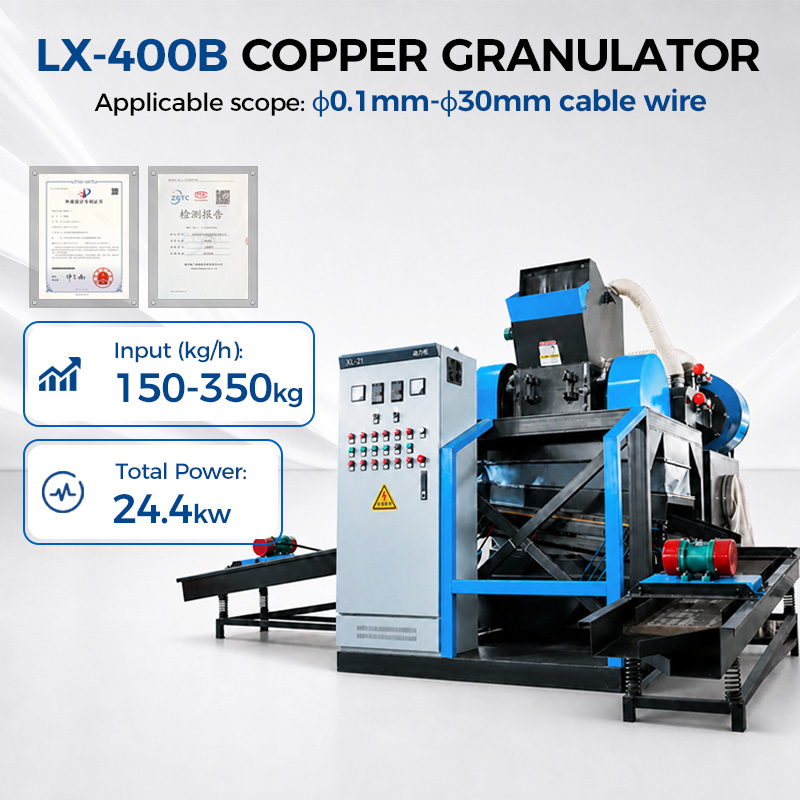
Training for Operators: Ensure that all operators receive comprehensive training on the safe and efficient use of the shredder. Familiarity with the machine's controls and safety features is crucial for preventing accidents and ensuring optimal performance. Utilizing machines like the LX-400B 150-350kg/h Copper Wire Granulator with Cooling System can enhance efficiency in your operations.

By following these installation guidelines, you can facilitate a smooth setup and enhance the longevity of your industrial hard drive shredder.

Key Specifications of High-Quality Industrial Hard Drive Shredders

When selecting an industrial hard drive shredder, several key specifications should be considered to ensure optimal performance and security.

Shredding Capacity: This refers to the number of hard drives a shredder can process per hour. Common ranges are between 250 to 2000 hard drives, depending on the model. Assessing your volume needs will help you select a shredder that meets your operational demands.

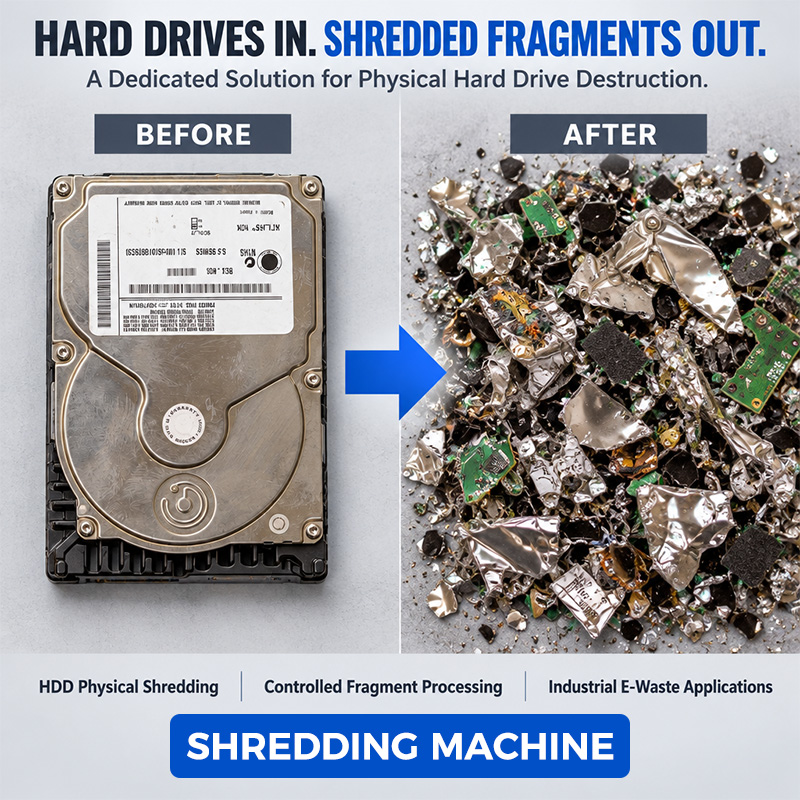
Shred Size: The particle size after shredding is crucial for data security. Most industrial shredders produce pieces ranging from 1/2 inch to 1 inch. Smaller sizes provide higher security, as they make data reconstruction virtually impossible. Consider your compliance needs when evaluating shred sizes.

Power and Efficiency: Look for shredders with robust motors that can handle continuous operation, reducing downtime. The power rating (typically in horsepower) influences both the shredding speed and the ability to handle various hard drive types, including SSDs.

Safety Features: High-quality shredders should include safety measures such as automatic shut-off when the door is opened or if a jam occurs. This not only protects operators but also enhances the machine's longevity.

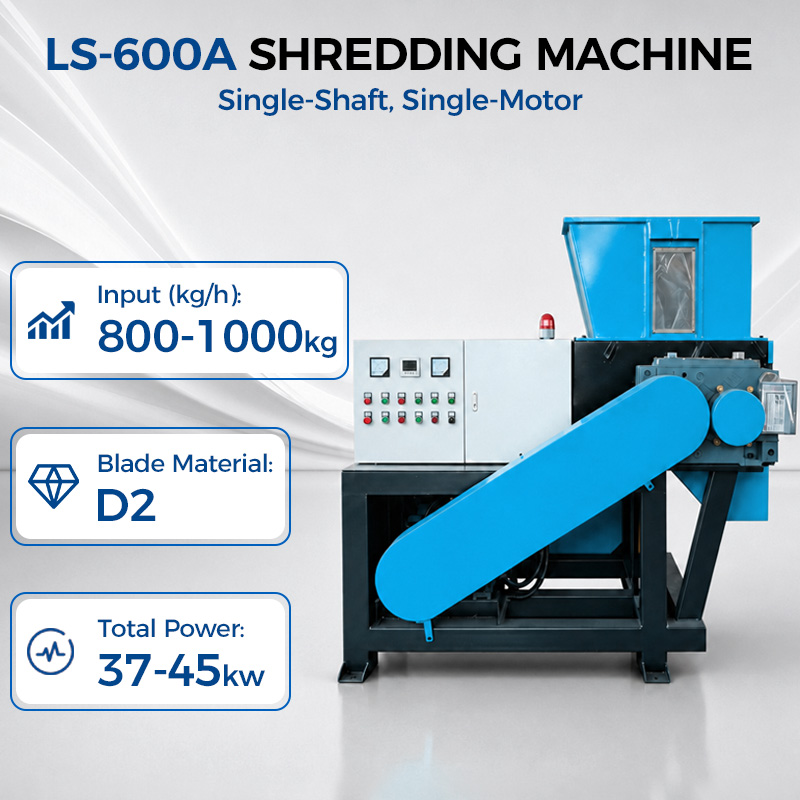
Materials and Build Quality: The shredder should be constructed from durable materials to withstand heavy usage. High-grade steel blades are preferable for durability and efficiency. For instance, the LS-600A Single-Shaft Industrial Shredder with D2 Blades is known for its robust construction.

Understanding these specifications helps ensure that the selected industrial hard drive shredder will meet your operational requirements while providing reliable data destruction.

Get a Free Quote

Tell us about your recycling needs, and our team will recommend the right equipment and solution for your project.
0/1000