Choosing the Right Cable Peeling Machine

application/cable-peeling-machine, application/cable-peeling-machine, 
Inquiry
Inquiry

cable peeling machine

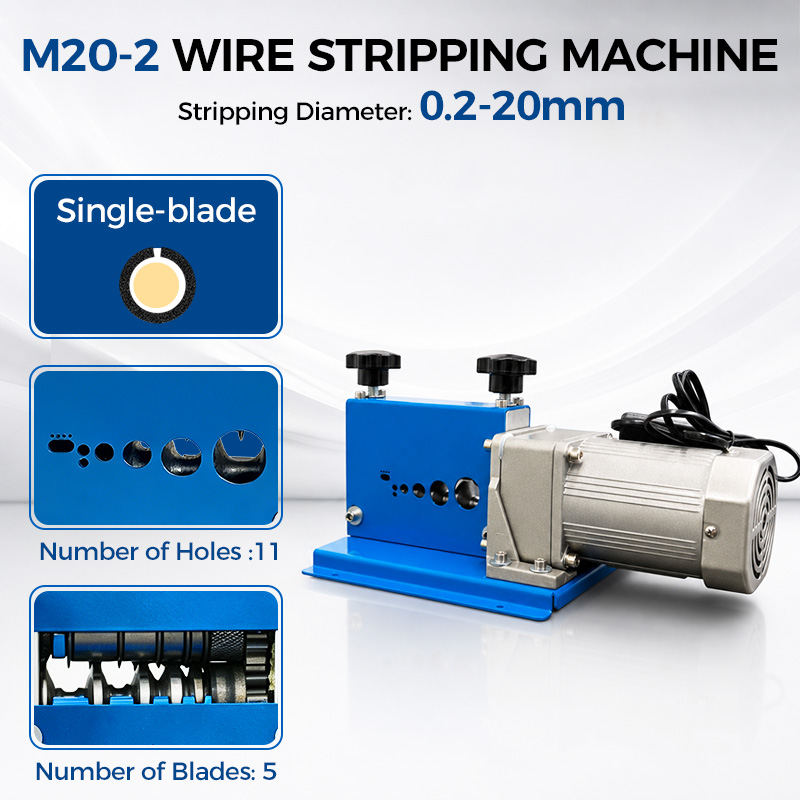
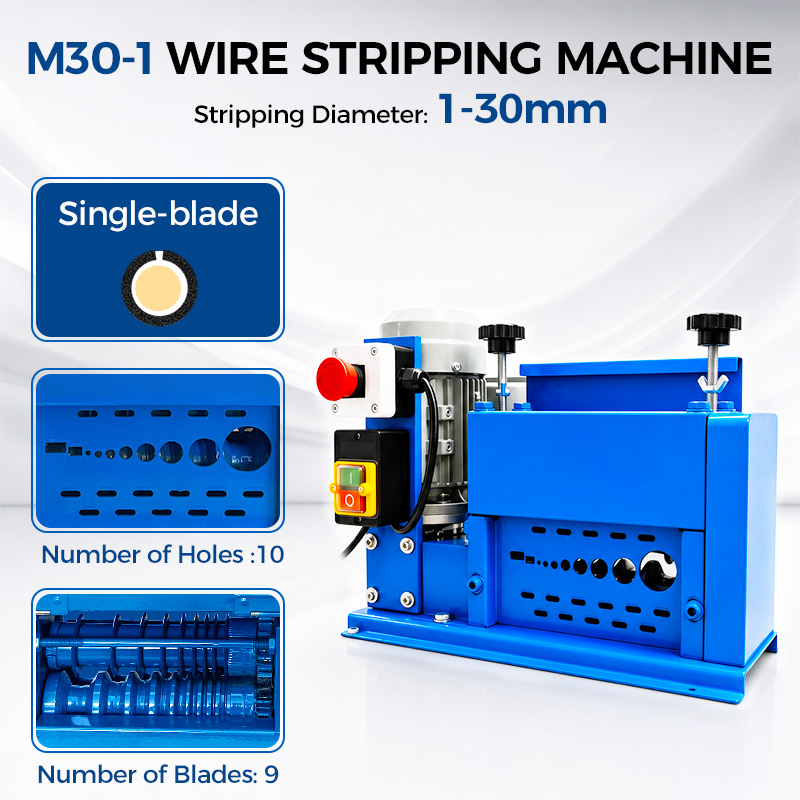
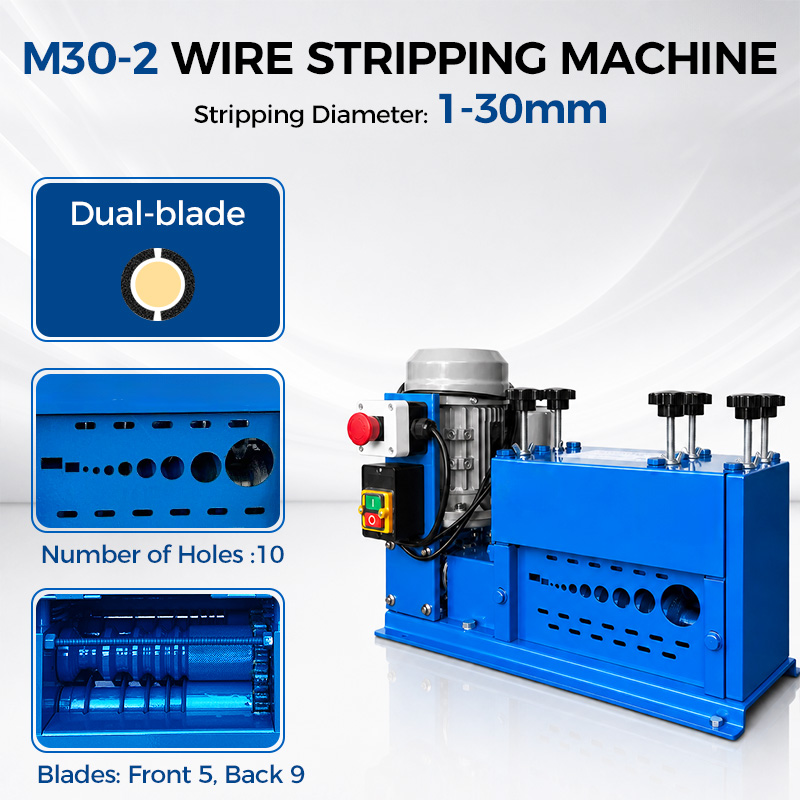
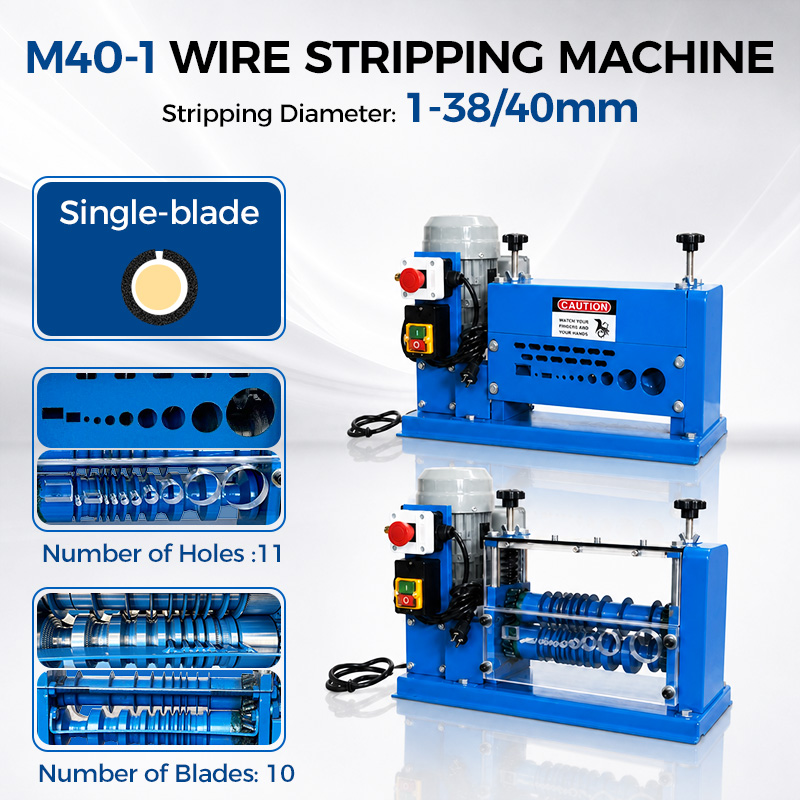
A cable peeling machine is an essential tool in the recycling industry, designed to efficiently strip insulation from various types of cables, including copper and aluminum. Understanding the specifications and selecting the right equipment can significantly impact operational efficiency and cost-effectiveness. This article addresses key concerns for B2B buyers, such as machine specifications, installation guidance, sourcing options, and common operational issues, providing valuable insights to aid in making informed purchasing decisions.

How to Choose the Right Cable Peeling Machine for Bulk Orders

Selecting the right cable peeling machine for bulk orders requires careful consideration of several factors:

Volume and Type of Cable: Assess the volume of cable you need to process and its type. For bulk processing, a machine with a high throughput capacity and adaptable cutting mechanisms is essential. Machines like the LS-600A Single-Shaft Industrial Shredder with D2 Blades can be beneficial here.

Customization Options: Many manufacturers, including Hangzhou Lansing Machinery Co., Ltd., offer customization options. Consider whether you need specific modifications to the machine to handle unique cable types or sizes.

Supplier Experience and Support: Evaluate suppliers based on their experience in the industry and the level of support they provide. A supplier with a strong reputation can offer valuable insights and troubleshooting assistance.

Total Cost of Ownership: Beyond the initial purchase price, consider the total cost of ownership, which includes maintenance, operational costs, and potential downtime. A slightly higher upfront investment in a reliable machine may lead to lower long-term operational costs.

Lead Time and Availability: Confirm lead times for production and delivery. Ensure the supplier can meet your timeline, especially if you have immediate processing needs.

By focusing on these factors, you can make a more informed decision that aligns with your operational goals and budget constraints.

Essential Installation Guidance for Your New Cable Peeling Machine

Proper installation is critical to the optimal performance of your cable peeling machine. Here are essential steps to ensure a successful installation:

Site Preparation: Before installation, prepare the site by ensuring sufficient space, proper ventilation, and a stable power supply. The area should be free of obstructions to allow for easy access and operation.

Foundation Requirements: Some machines may require specific foundation setups to minimize vibrations and ensure stability during operation. Consult the manufacturer’s guidelines for foundation specifications.

Electrical and Mechanical Connections: Ensure that all electrical connections are completed by a qualified technician. Verify that the machine is properly grounded and that electrical components meet safety standards.

Calibration: After installation, calibrate the machine according to the manufacturer’s specifications. This includes adjusting the cutting mechanisms and ensuring that safety features are functional.

Training: Provide comprehensive training for operators to familiarize them with the machine’s functions and safety protocols. Proper training can significantly reduce the risk of accidents and machine damage.

Following these guidelines will help ensure that your machine operates efficiently and safely from the outset.

Where to Source Reliable Cable Peeling Machines for Wholesale Purchase

Sourcing reliable cable peeling machines requires careful evaluation of potential suppliers. Here are key considerations:

Manufacturer Reputation: Research manufacturers known for their reliability and quality. Look for reviews, case studies, and testimonials that highlight their performance and customer satisfaction.

Certifications and Compliance: Verify that the manufacturer’s machines meet relevant industry standards and certifications. This ensures compliance with safety and quality regulations.

Customization and Flexibility: Choose suppliers that offer customization options to meet your specific needs. A manufacturer that can adapt their machines to your requirements can provide a significant advantage.

After-Sales Support: Evaluate the level of after-sales support, including warranty terms, spare parts availability, and technical assistance. Reliable support can be crucial for minimizing downtime.

Global Presence: Consider manufacturers with a global presence and export capabilities. This can be beneficial if you plan to source machinery for international operations.

By focusing on these factors, you can identify a reliable supplier that meets your operational needs.

Common Problems with Cable Peeling Machines and Their Solutions

Understanding common issues that may arise with cable peeling machines can help you mitigate risks and maintain operational efficiency. Here are some frequent problems and their solutions:

Blades Dulling: Over time, the blades of a cable peeling machine can become dull, leading to inefficient cutting and increased scrap rates. Regular maintenance, including blade sharpening or replacement, is essential to maintain cutting efficiency.

Jamming: Jamming can occur if the machine is overloaded or if the cable type is incompatible. To prevent jamming, ensure that the machine is not overloaded and that it is designed for the specific cable types being processed.

Electrical Failures: Electrical issues can arise from improper installation or power supply fluctuations. Regularly inspect electrical connections and ensure that the machine is connected to a reliable power source.

Safety Mechanism Failures: Safety mechanisms may fail due to wear or improper calibration. Regularly test safety features and ensure that operators are trained to recognize and respond to safety alerts.

Inconsistent Output Quality: Variability in output quality may result from improper settings or irregular maintenance. Regular calibration and maintenance checks are crucial to ensure consistent performance.

By proactively addressing these common issues, you can enhance the reliability and efficiency of your cable peeling operations.

Understanding Cable Peeling Machine Specifications for Your Needs

When evaluating cable peeling machines, several specifications should be considered to ensure optimal performance for your specific application. Key specifications include:

Capacity: This indicates the volume of cable the machine can process within a given time frame. A higher capacity is crucial for businesses handling large volumes of scrap cable, as it directly affects productivity.

Cutting Mechanism: Different machines employ various cutting technologies, such as rotary blades or linear cutters. Each has its advantages—rotary blades may provide cleaner cuts, while linear cutters can be better for thicker cables.

Material Compatibility: Ensure the machine is compatible with the types of cables you plan to process. Some machines are designed specifically for copper, while others may effectively handle aluminum or mixed materials. For example, the LE-500B Electrostatic Separator for Copper and Plastic Recovery is a great option for those focusing on copper recovery.

Safety Features: Look for machines equipped with safety mechanisms such as emergency stops, guards, and overload protection to ensure safe operation in a busy industrial environment.

Power Requirements: Check the electrical specifications to confirm that the machine can operate efficiently with your existing power supply. Machines may require different voltages and phases, impacting installation costs.

Each of these specifications plays a critical role in ensuring that the selected cable peeling machine meets your operational needs and quality standards.

Get a Free Quote

Tell us about your recycling needs, and our team will recommend the right equipment and solution for your project.
0/1000