Choosing a Reliable Cable Granulator Machine

application/cable-granulator-machine, application/cable-granulator-machine, 
Inquiry
Inquiry

cable granulator machine

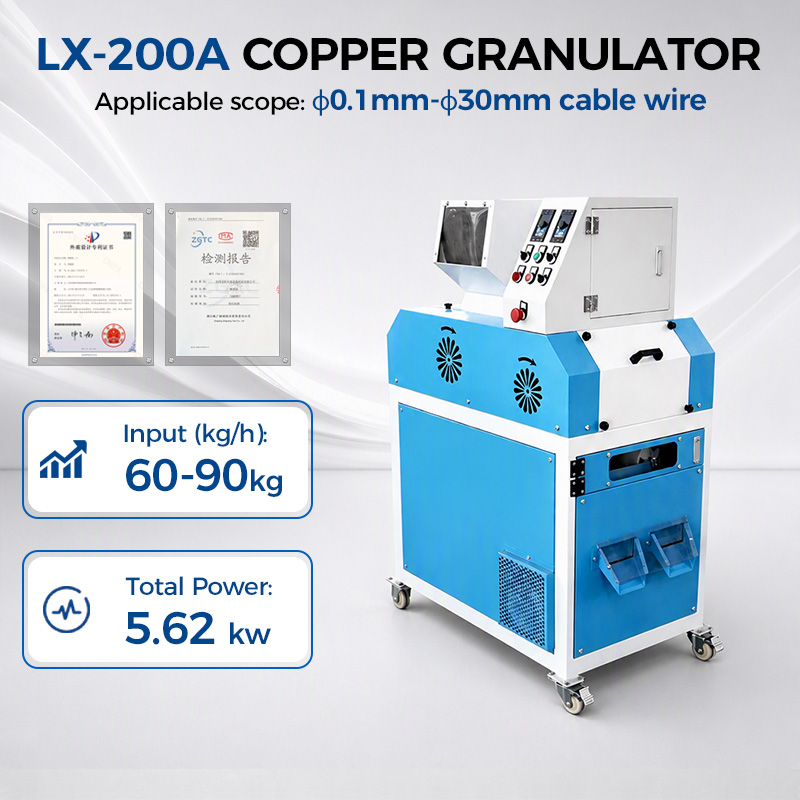
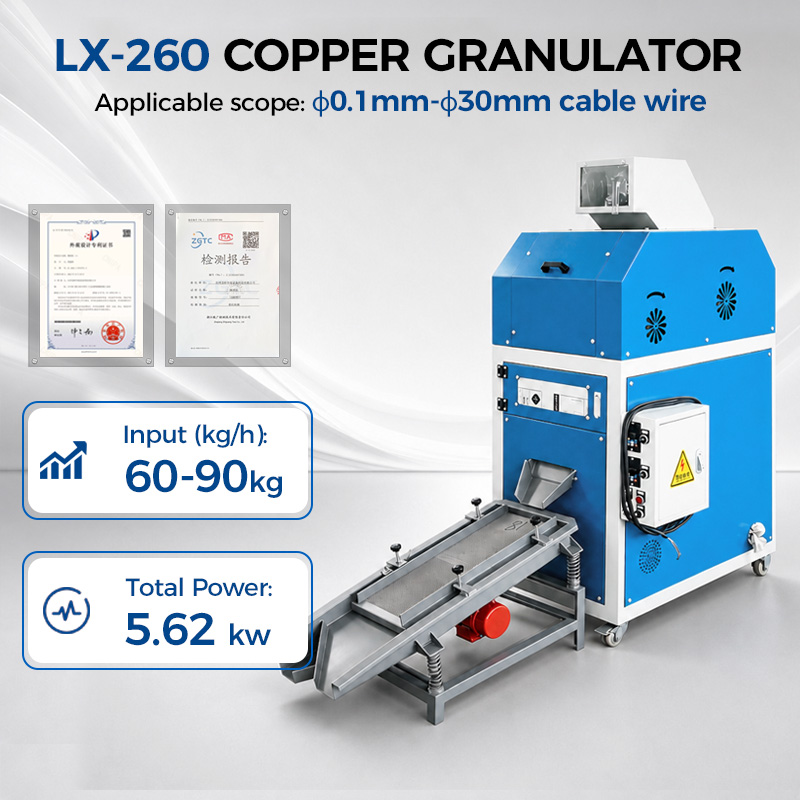
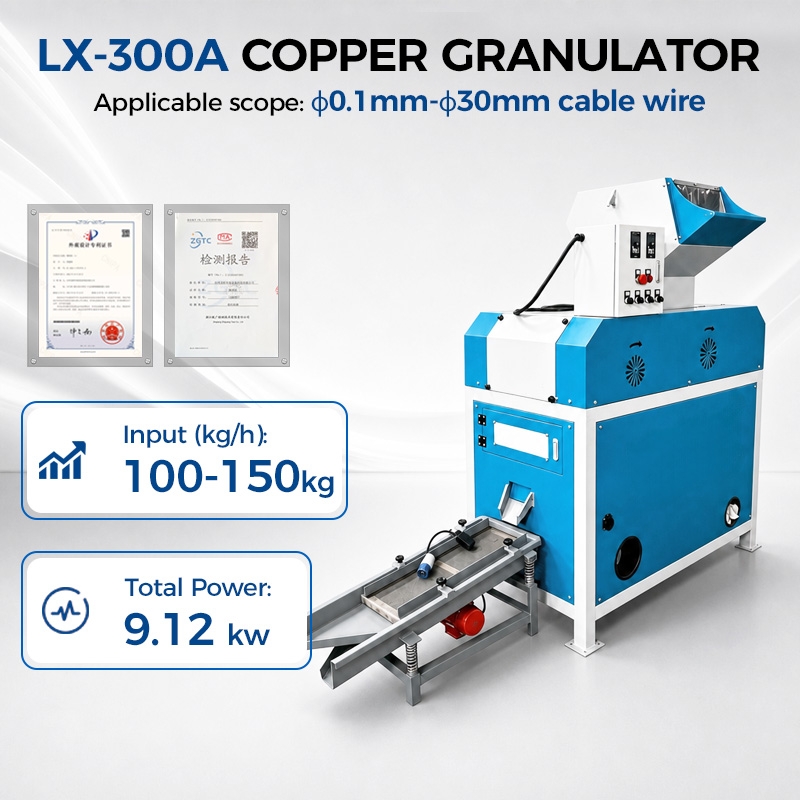
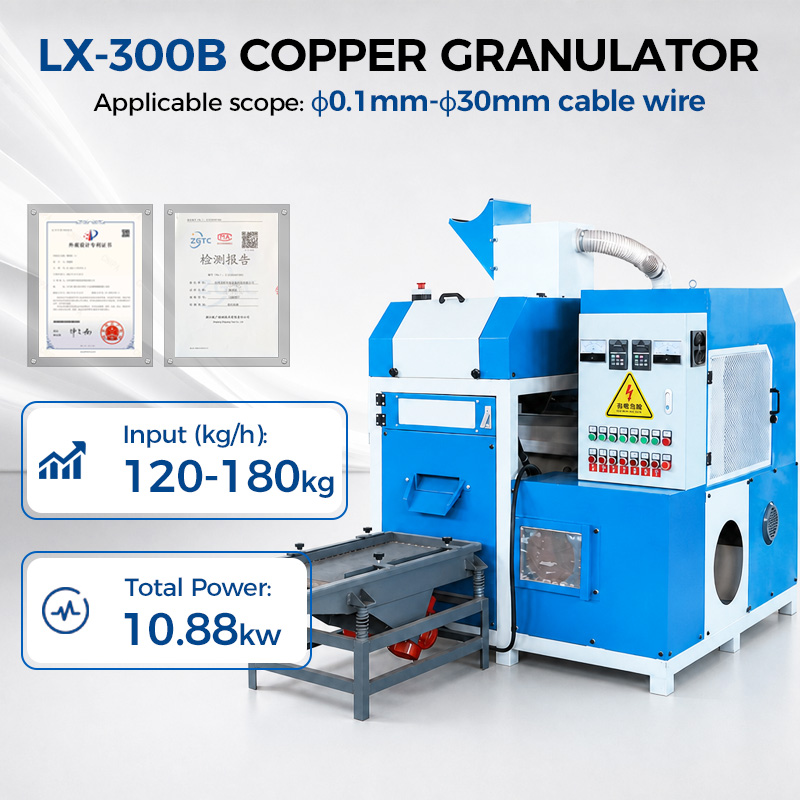
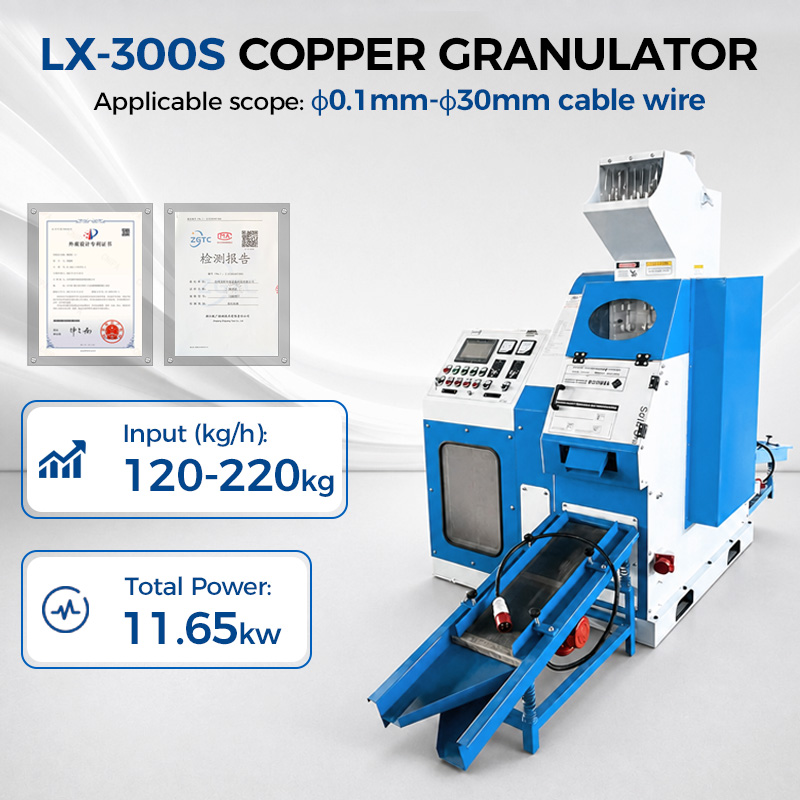
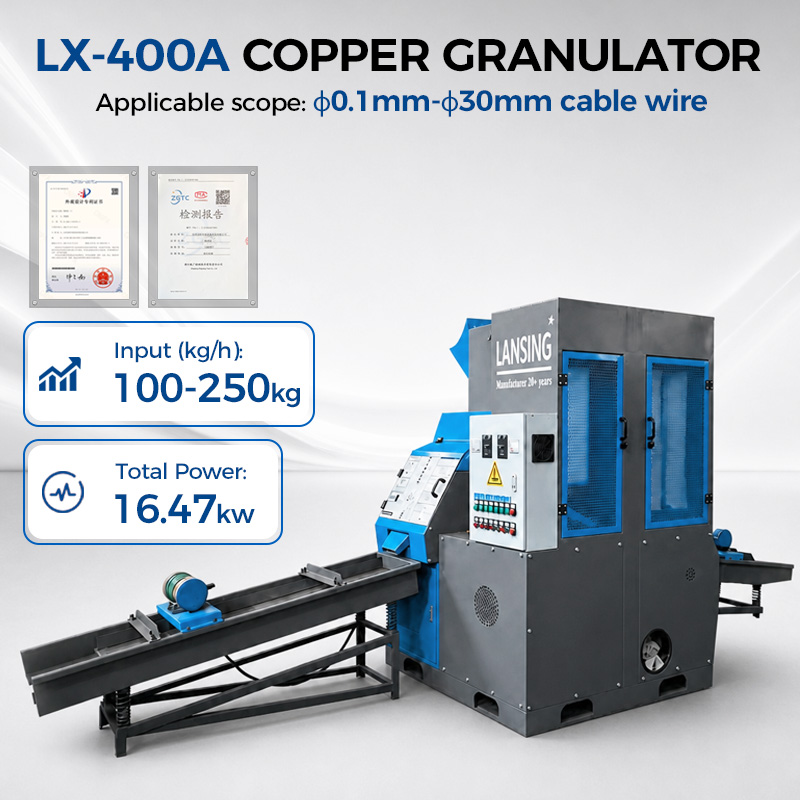
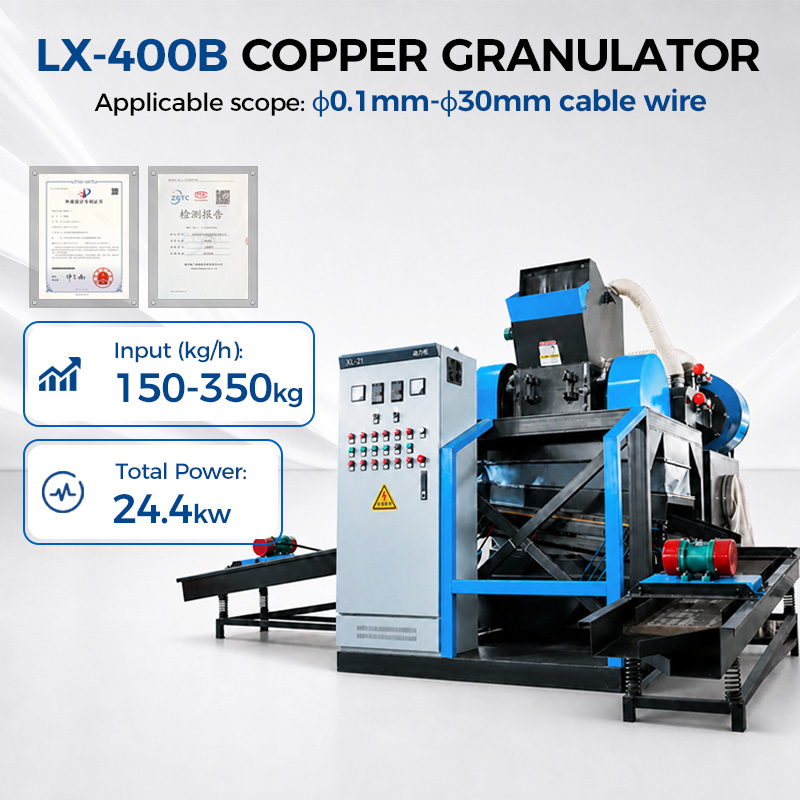
When considering the purchase of a cable granulator machine, it is essential to understand its role in the recycling process of waste cables and metals. These machines are designed to efficiently separate copper, aluminum, and plastic from various types of cables, making them a vital investment for recycling operations. B2B buyers often seek reliability, efficiency, and cost-effectiveness when evaluating potential suppliers. This article will provide insights into the key factors to consider when selecting a cable granulator machine, including specifications, quality evaluation, installation guidance, and common operational challenges.

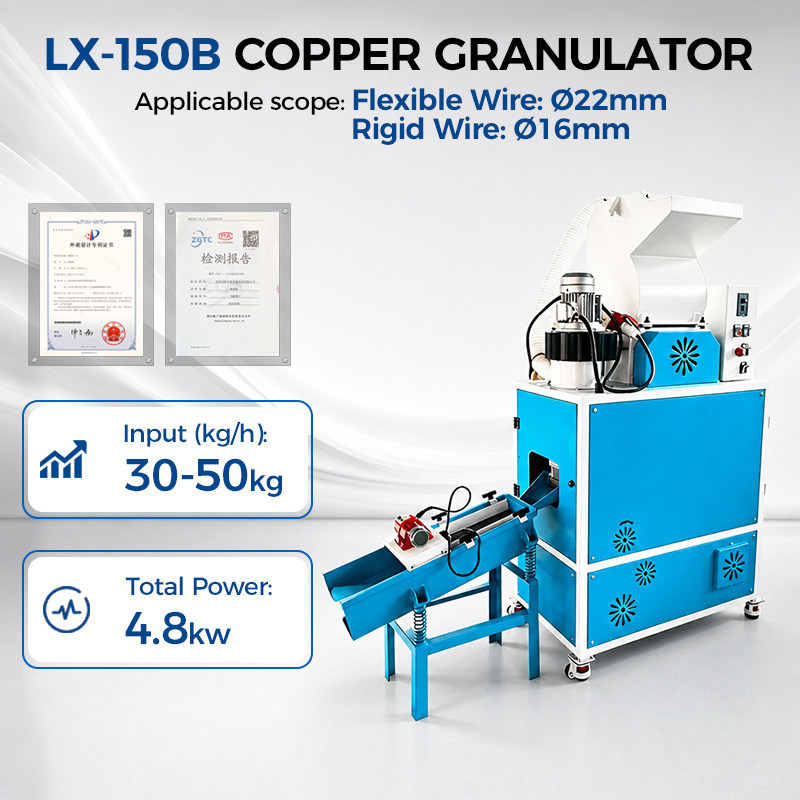
Key Specifications of Cable Granulator Machines for Bulk Orders

When evaluating cable granulator machines for bulk orders, certain specifications should be scrutinized to ensure you select a machine that meets your operational requirements. Key specifications include:

Power Consumption: This affects operational costs. Machines with higher energy efficiency can lead to significant savings over time. Granulation Size: The ability to adjust granulation size affects the quality of the separated materials. Ensure the machine allows for modifications to meet various processing needs. Material Compatibility: Confirm that the machine can handle the specific types of cables you intend to process, as some machines are better suited for certain materials. Noise Levels: For operations in populated areas, machines with lower noise emissions can help maintain compliance with local regulations. Safety Features: Look for machines with built-in safety mechanisms to protect operators and ensure a safe working environment.

By confirming these specifications, you can ensure that the cable granulator machine you select will meet both current and future processing needs.

How to Evaluate the Quality of Cable Granulator Machines

Quality evaluation is paramount when investing in cable granulator machines. Start by examining the manufacturer’s reputation and history within the industry. A company with extensive experience, such as Hangzhou Lansing Machinery Co., Ltd., often has a proven track record of delivering reliable machinery.

Next, request detailed documentation on quality control processes. Manufacturers should adhere to international standards, which can be verified through certifications. Quality inspections during production can also provide assurance of consistent performance.

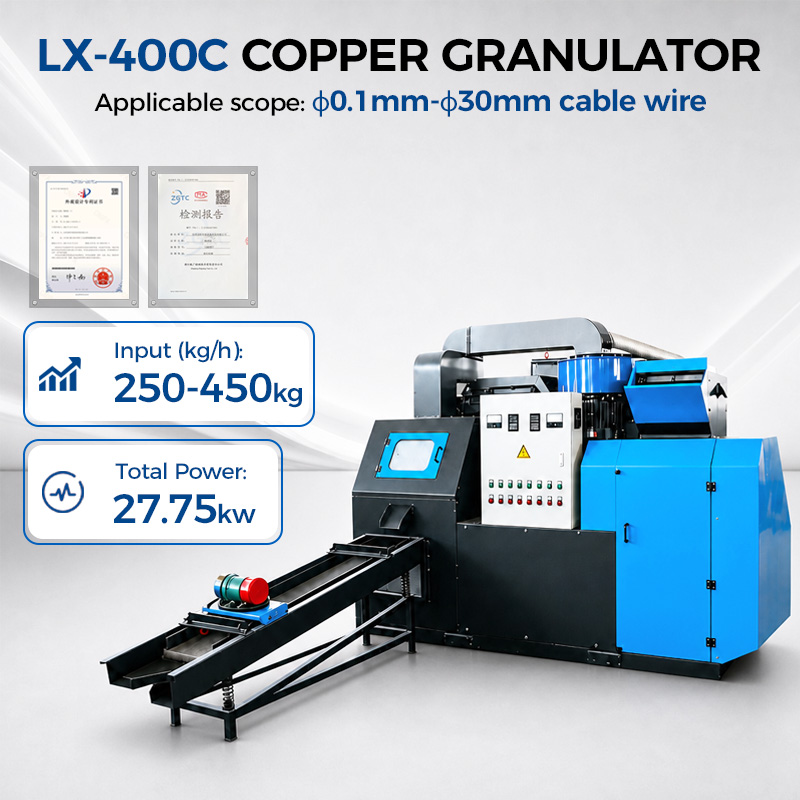
Additionally, ask for customer testimonials or case studies. Hearing from other businesses that have successfully used the machine can provide valuable insights into its reliability and efficiency. Lastly, consider conducting a site visit to see the machine in action, if possible, to assess its operation and build quality firsthand. For example, the LX-400C 250-450kg/h Fully Enclosed Copper Wire Granulator has received positive feedback from users.

Installation Guidance for Your New Cable Granulator Machine

Proper installation of your cable granulator machine is crucial for optimal performance. Begin by ensuring that the installation site meets the required specifications, including adequate space, ventilation, and access to utilities such as power and water.

Before installation, review the manufacturer's guidelines carefully. These documents typically outline the necessary steps for setup and any specific requirements for the machine. It’s advisable to have trained personnel handle the installation to minimize the risk of errors.

After installation, conduct a thorough testing phase to verify that the machine operates correctly. This phase should include checking all components, calibrating settings, and running test batches of cables. Engaging with the manufacturer's support team during this stage can help troubleshoot any issues that may arise.

Common Problems with Cable Granulator Machines and Their Solutions

Even the best cable granulator machines may encounter problems during operation. Being aware of common issues can help you mitigate downtime and maintain productivity. One frequent challenge is clogging, which can occur if the granulation settings are not properly adjusted. Regularly checking the input material for contaminants can help prevent this problem.

Another issue is wear and tear on blades, which can lead to reduced efficiency. Establish a routine maintenance schedule, including regular inspections and timely blade replacements, to ensure optimal performance.

Electrical issues can also arise, particularly in older machines. Ensure that all electrical connections are secure and conduct regular checks on the machine’s power supply. If problems persist, consulting with the manufacturer’s technical support can provide specialized assistance.

By understanding these common challenges and their solutions, you can effectively manage your cable granulator machine's performance and enhance your recycling operations.

What to Consider When Choosing a Cable Granulator Machine for Wholesale

Selecting the right cable granulator machine involves several critical factors that can significantly impact operational efficiency and profitability. Firstly, consider the machine's processing capacity, which is typically measured in kilograms per hour. This capacity should align with your expected volume of waste cables. Additionally, the type of materials you plan to process will influence your choice; for instance, some machines are better suited for copper cables, while others excel with aluminum.

Another important consideration is the degree of separation efficiency. Look for machines that provide high purity rates for recovered materials, as this will enhance the value of your recycled output. Customization options are also crucial; some manufacturers offer tailored solutions to meet specific operational needs, such as varying sizes and configurations. For instance, the LE-500B Electrostatic Separator for Copper and Plastic Recovery is an excellent choice for enhancing the separation process.

Lastly, evaluate the supplier's after-sales support and warranty policies. A reliable manufacturer, like Hangzhou Lansing Machinery Co., Ltd., provides comprehensive after-sales service, which is essential for addressing any operational issues that may arise post-purchase.

Get a Free Quote

Tell us about your recycling needs, and our team will recommend the right equipment and solution for your project.
0/1000