lansing-develops-tailored-copper-recycling-solutions-for-customers-in-kuwait-germany-and-japan, lansing-develops-tailored-copper-recycling-solutions-for-customers-in-kuwait-germany-and-japan, /news
EN
Hangzhou Lansing Machinery Co., Ltd. is working with customers in Kuwait, Germany and Japan on copper recycling solutions tailored to different feedstocks, operating scales and business requirements. These projects and enquiries range from processing fine-gauge wire and developing compact recycling lines to evaluating equipment for potential deployment across multiple locations.
With more than 20 years of experience in manufacturing recycling equipment, Lansing provides support spanning equipment selection, material testing and line planning through to customization, delivery and after-sales service.
Copper Recycling Gains Importance as Electrification Advances
Investment in electricity networks, electric mobility and other electrical applications continues to support long-term copper demand. The International Energy Agency’s Global Critical Minerals Outlook 2026 identifies continued pressure on future copper supplies, despite progress on new projects. Recovering copper from discarded cables and other copper-bearing materials therefore remains an important means of supplementing supply and improving resource efficiency. Source: International Energy Agency
For recycling businesses, however, opportunity depends on more than processing volume. Recovered material quality, metal losses, labor requirements, energy consumption and maintenance costs all influence operating performance. Copper prices also fluctuate, making feedstock costs, copper content and local sales conditions essential considerations when assessing a project’s economics.
Kuwait: Recovering Copper from Fine-Gauge Wire
A customer in Kuwait reported access to substantial quantities of fine-gauge scrap wire and said that burning this material is prohibited in the area where the business operates. The customer is seeking a mechanical recycling solution to separate copper from insulation and produce copper granules for resale.
With the commercial value of recovered copper a key consideration, the customer has expressed interest in Lansing’s larger Model 600 copper wire granulator and an accompanying processing line. Priorities include efficient cable processing, strong copper recovery and a clean separated copper fraction.
For fine-wire applications, equipment selection requires consideration of wire diameter, insulation type, copper content and the required throughput. Testing representative feedstock provides a practical basis for assessing separation performance and selecting an appropriate configuration.
Germany: Compact Equipment for an Existing Copper Business
A German customer operating in the copper sector has expressed interest in a small copper wire granulator and a compact recycling line for use within the business.
The enquiry comes as Germany continues to promote resource efficiency and the use of secondary raw materials. In June 2026, the German government adopted an action programme for its National Circular Economy Strategy, aimed at conserving resources, reducing dependence on imported raw materials and supporting circular business activity. Source: German Federal Government
Against this backdrop, Lansing sees practical value in matching equipment capacity to an operator’s actual material volumes, available space and maintenance resources. For smaller operations, a suitably configured compact line can offer a more appropriate starting point than a larger installation.
In Lansing’s assessment, consistent separation quality, effective cost control and equipment suited to the operating environment will remain central to the development of copper and wider scrap metal recycling businesses.
Japan: An Equipment Selection with Potential for Wider Deployment
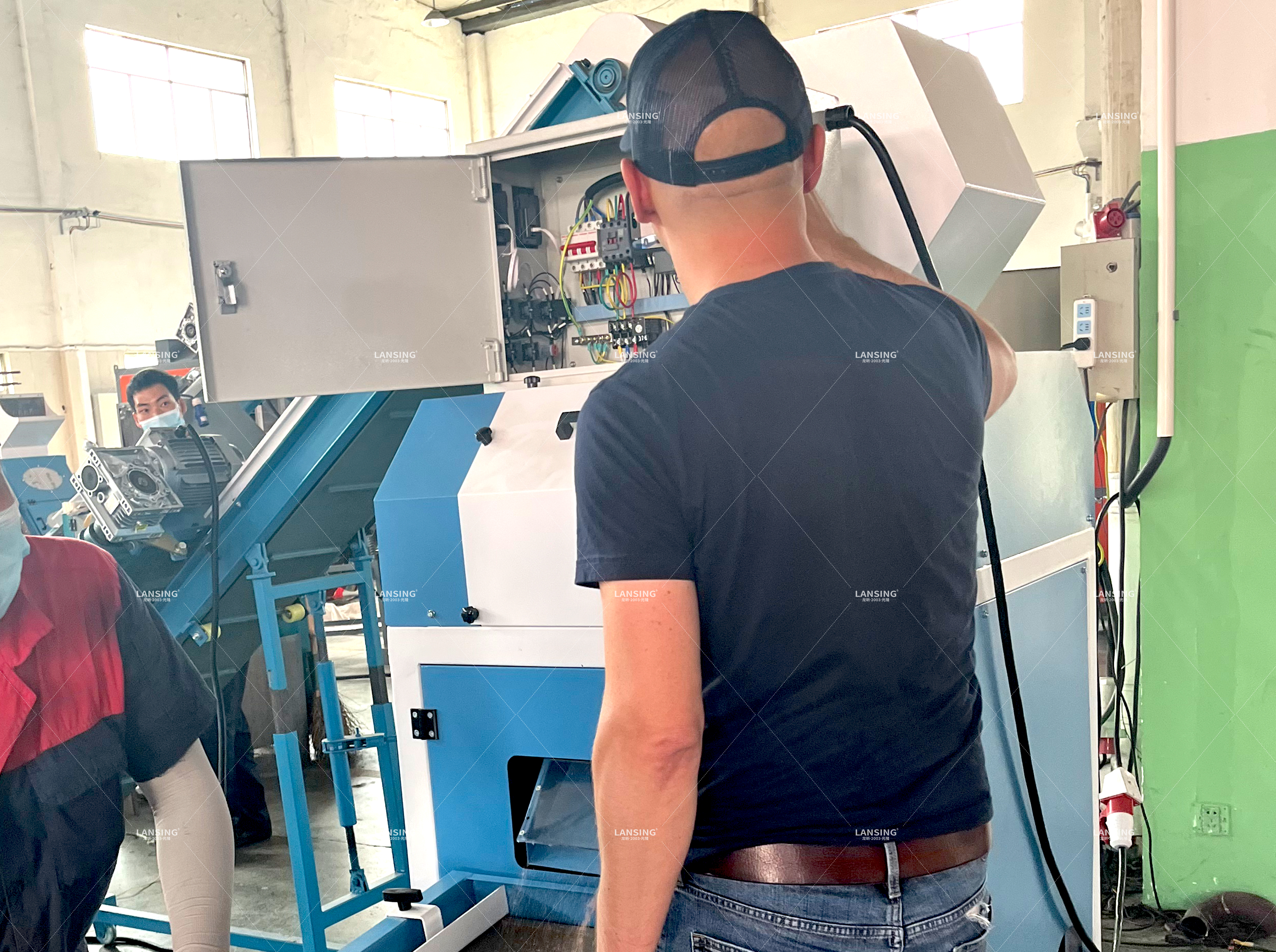
Following an on-site visit to Lansing’s factory, a Japanese family-owned business with more than 70 years of experience in copper recycling decided to purchase an LS-400 shredder and an LX-400C copper wire granulator.
According to the customer, the business has branches in Japan, the United States, South Korea, Australia and Dubai. After delivery, the equipment will undergo operational trials using the customer’s own materials and production conditions.
If the results meet expectations, the customer plans to purchase additional units for potential deployment at other branches. This phased approach will allow the business to use practical operating results to inform further investment and production planning.
From Individual Machines to Complete Recycling Lines
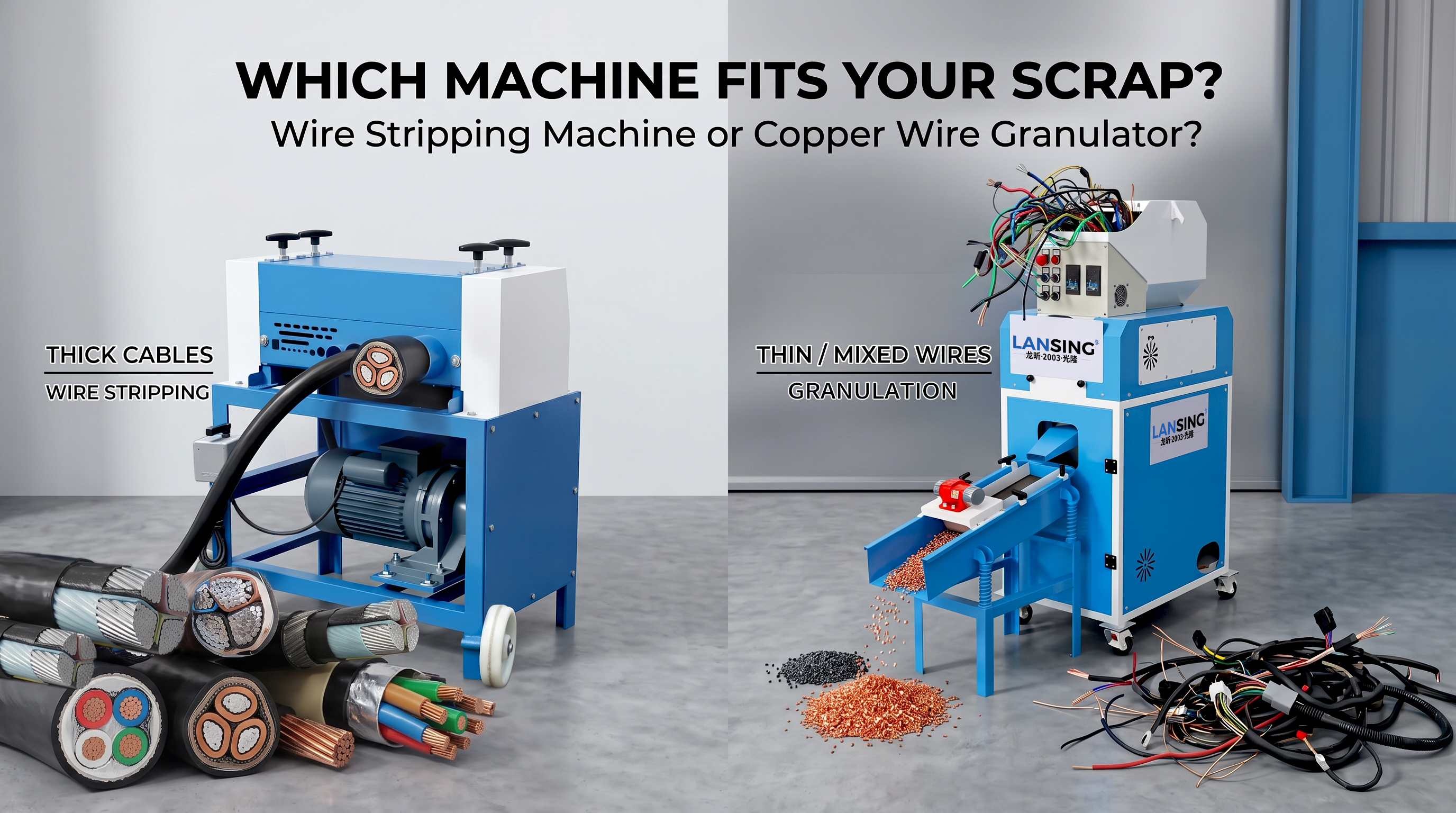
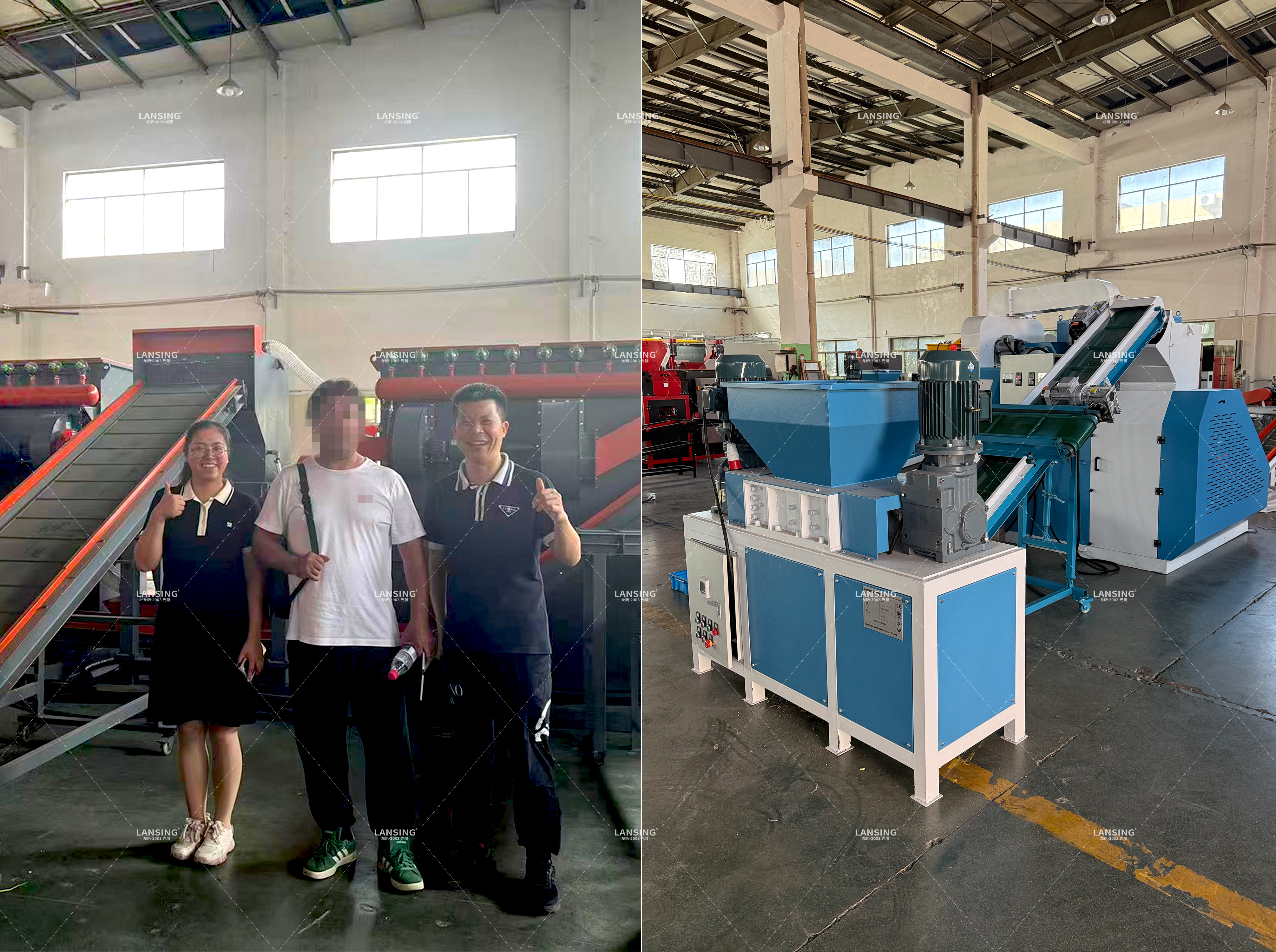
Lansing manufactures copper wire granulators, wire stripping machines, shredders, separation equipment, PCB recycling lines, hydraulic alligator shears and electric motor dismantling equipment.
Its range covers standalone machines and small, medium and large recycling lines. Recommendations are developed around feedstock characteristics, required throughput, available floor space and budget, helping customers identify the equipment and processing stages needed for their operation.
The company’s objective is to provide a coordinated recycling solution, from initial material preparation through to separation and recovered output.
Material Testing and Engineering Support Before Purchase
During the enquiry stage, Lansing provides equipment specifications, configuration details and operating videos. Material-specific trials can be arranged to help customers assess suitability for their intended application. Remote factory tours and live equipment demonstrations are also available through Zoom.
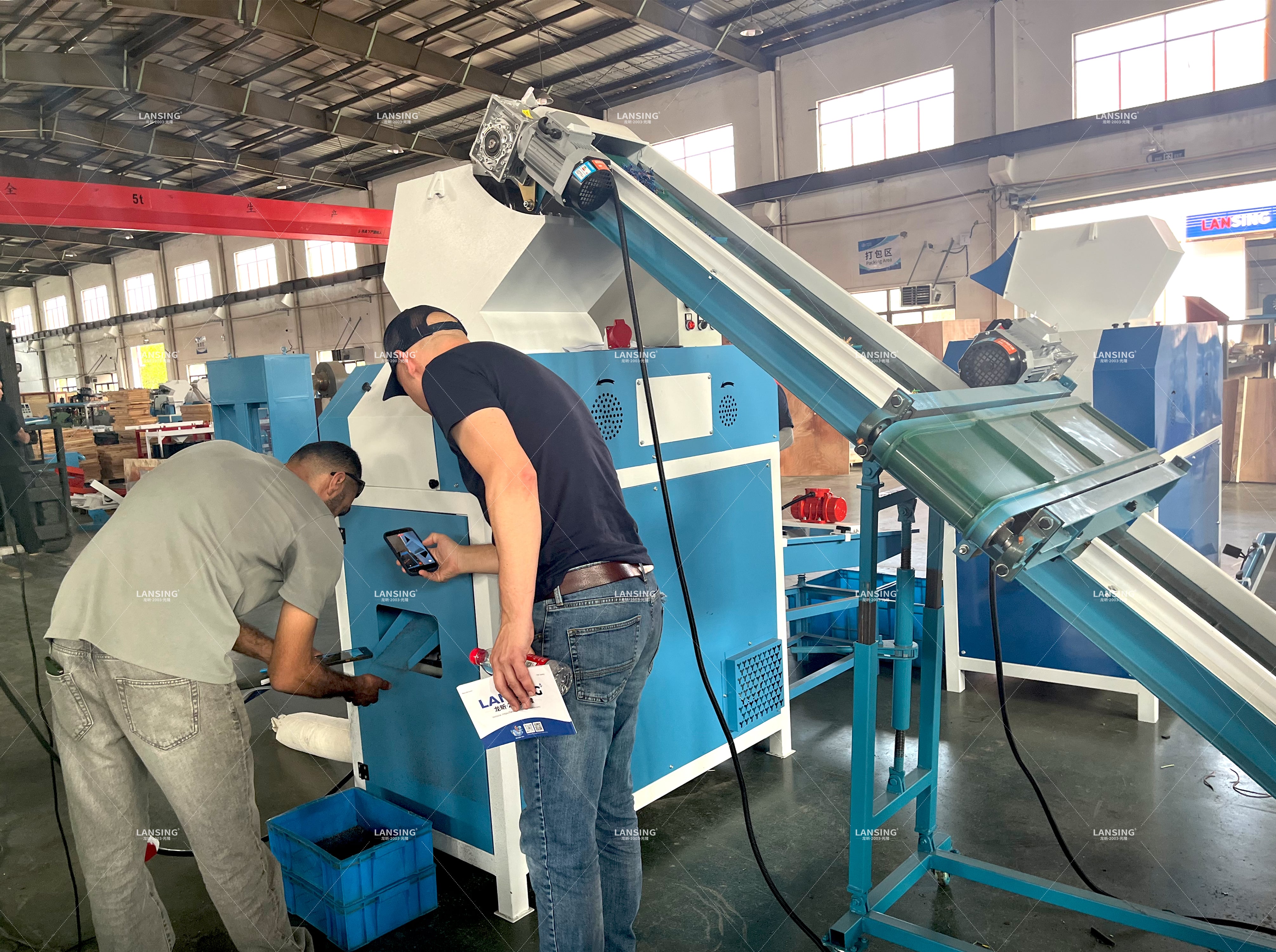
For customers visiting the factory, Lansing can arrange transfers and demonstrations supported by sales staff, engineers and machine operators. Trials with actual feedstock allow visitors to observe machine operation and separation results, while engineers discuss layouts and configurations based on the customer’s site, budget and production objectives.
Customization options include machine color, supply voltage, motors, blades and selected structural features. Previous work has included Siemens motor configurations, customized blades and exterior design changes for a German distributor.
Requests involving feed opening height, protective enclosures and emergency stops are assessed against the intended operating conditions and applicable project safety requirements. Structural changes are reviewed by the engineering team to establish feasibility and agree on the final specification.
Support Through Delivery and Ongoing Operation
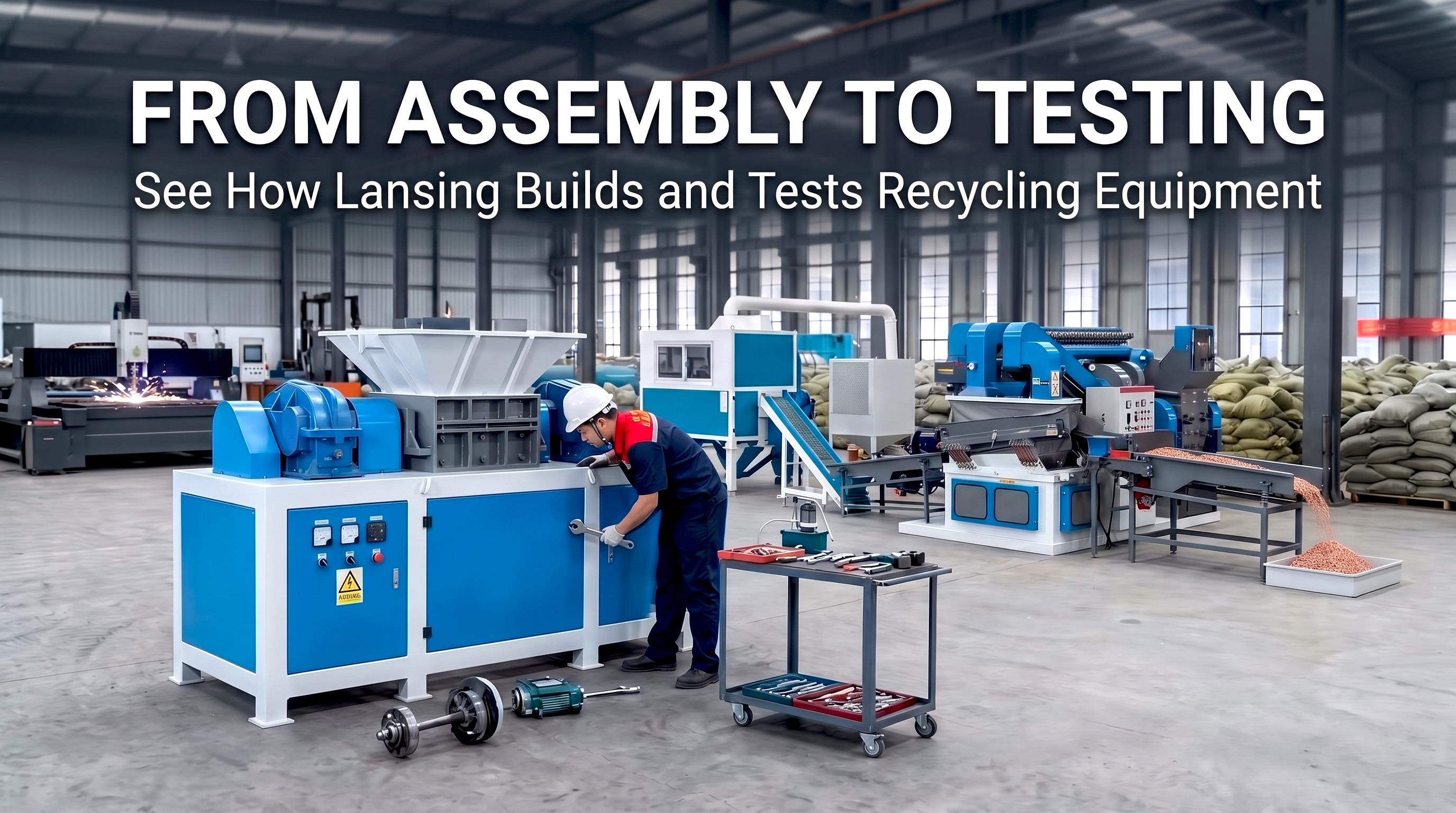
Once manufacturing and assembly are complete, Lansing provides test-run videos and photographs. Shipment is arranged after the agreed checks have been completed and the customer has confirmed acceptance.
The sales team continues to track logistics and maintain communication through delivery. Supporting materials include operating videos, written manuals and guidance on blade replacement, other wear parts, routine inspections and maintenance.
As an equipment manufacturer, Lansing also provides a long-term supply channel for replacement parts to support maintenance and continued operation.
By combining material testing, application-specific engineering and ongoing technical support, Lansing aims to help international customers develop practical copper and scrap metal recycling operations—from individual machines to complete processing lines.


 EN