Granulator Machines: Key Factors and Solutions

application/granulator-machine, application/granulator-machine, 
Inquiry
Inquiry

granulator machine

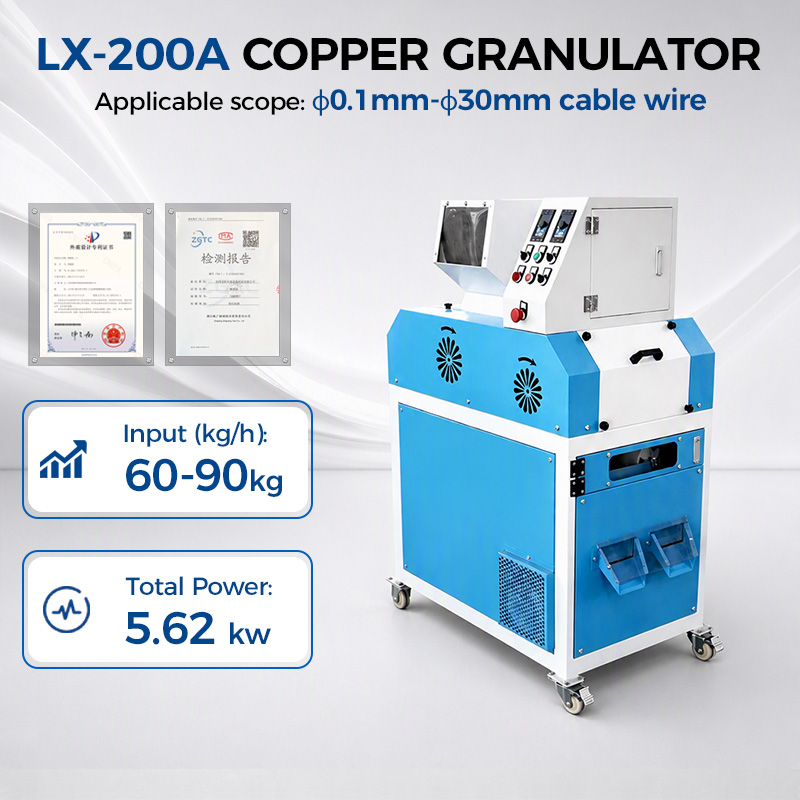
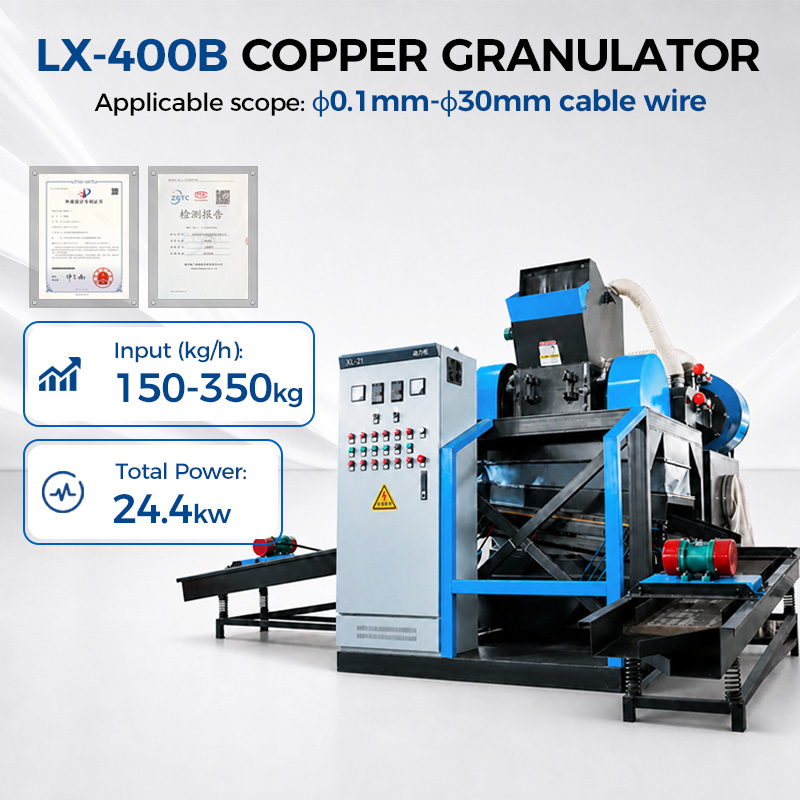
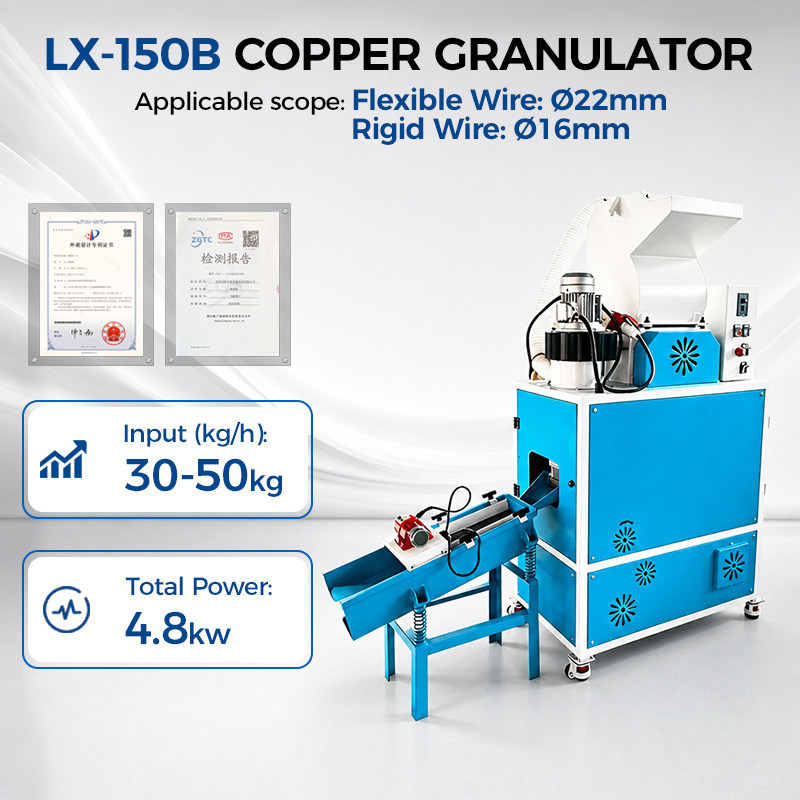
Granulator machines are essential equipment in the recycling industry, primarily used for size reduction of materials such as waste cables and metals. They convert larger pieces of scrap into smaller, manageable particles, making them easier to process and recycle. For B2B buyers, particularly purchasing managers and engineers, understanding the specific features, applications, and cost implications of granulator machines is crucial for making informed decisions. This article will explore the key factors to consider when selecting granulator machines, where to find reliable suppliers, cost factors for bulk orders, a step-by-step purchasing guide, and common problems along with effective solutions.

Where to Find Reliable Suppliers for Granulator Machines

Finding a reliable supplier for granulator machines is essential for ensuring quality and support throughout the purchasing process. Industry-specific trade shows and exhibitions often provide opportunities to meet manufacturers and see their equipment in action. These events can also serve as networking platforms to gather recommendations from peers in the recycling and manufacturing sectors.

Online directories and B2B marketplaces are valuable resources for identifying potential suppliers. Websites like Alibaba, ThomasNet, and Global Sources allow buyers to filter search results based on specific criteria, such as product type, certifications, and geographic location.

Additionally, engaging with industry associations and forums can help buyers connect with reputable manufacturers. Associations often provide member directories that feature established companies in the recycling equipment sector, ensuring that buyers can find suppliers with a proven track record.

Finally, it’s crucial to conduct thorough due diligence on potential suppliers. This includes reviewing online testimonials, checking references, and requesting detailed information about their manufacturing capabilities and quality assurance practices.

Cost Factors for Bulk Orders of Granulator Machines Explained

The cost of granulator machines can vary significantly based on several factors. One primary consideration is the machine's specifications. Higher-capacity models with advanced features, such as automated controls and enhanced safety mechanisms, will typically command a higher price.

Additionally, the choice of materials used in the construction of the granulator can affect pricing. Machines made from high-grade steel may be more expensive upfront but can offer greater durability and longevity, reducing total cost of ownership over time. For example, the LX-400A 100-250kg/h Copper Wire Granulator with Dual Screening is a great investment for those looking for quality and longevity.

Bulk order discounts are another aspect that can impact pricing. Many manufacturers provide tiered pricing structures based on order volume, which can lead to significant savings for companies looking to purchase multiple machines. Buyers should discuss potential discounts directly with suppliers to understand their pricing models better.

Shipping and logistics costs are also important to consider, especially for international orders. These costs can vary based on the delivery location, shipping method, and any applicable tariffs or customs fees. Buyers should ensure that they factor these costs into their overall budget.

Finally, ongoing maintenance and operational costs should not be overlooked. Understanding the expected lifespan of the machine, the availability of spare parts, and the manufacturer’s support services can help buyers prepare for future expenditures associated with the granulator machine.

Step-by-Step

When preparing to purchase a granulator machine, it’s important to follow a structured approach to ensure all necessary aspects are covered:

Define Your Requirements: Identify the types and volumes of materials you will be processing. This will help determine the machine specifications needed.

Research Suppliers: Compile a list of potential suppliers based on their reputation, product offerings, and customer reviews. Engage with them to gather information about their granulator machines.

Request Quotations: Reach out to selected suppliers with detailed information about your needs. Provide specifics such as desired specifications, expected order quantities, and any customization requirements.

Evaluate Proposals: Compare the quotations received, considering not only price but also warranty terms, delivery timelines, and after-sales support.

Inspect Samples: If possible, request a sample or visit the supplier’s facility to see the granulator machine in action. This allows you to assess build quality and operational efficiency firsthand.

Finalize the Order: Once you have selected a supplier, confirm the order details, including payment terms, delivery schedules, and installation services.

Prepare for Operation: Ensure that your facility is ready for the new equipment, including any necessary modifications to accommodate the granulator machine.

Common Problems with Granulator Machines and Effective Solutions

Granulator machines, while robust, can encounter several common issues during operation. Understanding these problems and their solutions is crucial for maintaining productivity.

One frequent issue is blade wear. Over time, the blades may become dull, leading to inefficient granulation and increased energy consumption. Regular maintenance and timely replacement of blades are essential. Buyers should inquire about the manufacturer’s recommendations for maintenance schedules and blade replacement.

Another common problem is material jams. This can occur if the machine is overloaded or if the materials being processed are not suitable for the granulator's specifications. To prevent jams, operators should be trained to adhere to load limits and to monitor the types of materials being fed into the machine.

Vibration and noise can also indicate potential issues with the granulator. Excessive vibration may suggest misalignment or wear of components. Regular inspections and maintenance can help identify and resolve these issues early, preventing costly downtime.

Lastly, power fluctuations can affect machine performance. It’s advisable to use voltage stabilizers or uninterruptible power supplies (UPS) to ensure consistent power supply, protecting the granulator from potential damage.

By addressing these common problems proactively, companies can enhance the longevity and efficiency of their granulator machines, ensuring a smoother recycling process.

Key Factors to Consider

When selecting a granulator machine, several key factors must be taken into account. First and foremost, the machine's specifications, such as motor power, capacity, and cutting speed, are critical. The motor power determines the machine's ability to handle different materials and volumes, while the cutting speed affects the efficiency of the granulation process.

Material compatibility is another vital consideration. Buyers should ensure that the granulator can handle the specific types of waste materials they intend to process, including various metals and plastics. Additionally, the design of the blades and the size of the screen mesh will impact the final granule size and quality. For instance, the LS-600B 22 kW Dual-Shaft Shredder for Waste Pre-Processing is designed to tackle a variety of materials effectively.

Customization capabilities can also play a significant role in the selection process. Some manufacturers offer granulators that can be tailored to meet specific operational requirements or to accommodate unique materials. It’s advisable to discuss these needs upfront with potential suppliers to identify suitable models.

Lastly, quality control processes employed by the manufacturer are crucial. Buyers should inquire about certifications, testing procedures, and after-sales support to ensure the granulator machine maintains high performance and reliability over time.

Get a Free Quote

Tell us about your recycling needs, and our team will recommend the right equipment and solution for your project.
0/1000