Key Specifications for Dry Granulator Machines

application/dry-granulator-machine, application/dry-granulator-machine, 
Inquiry
Inquiry

dry granulator machine

In the realm of manufacturing and recycling, a dry granulator machine plays a crucial role in processing materials, particularly in the recycling of waste cables and metals. This equipment is essential for creating uniform granules from raw materials, ensuring efficient material handling and production processes. For purchasing managers and engineers, understanding the specifications and capabilities of dry granulator machines is vital for selecting the right equipment. This article will guide you through key specifications, sourcing reliable suppliers, common installation challenges, applications across industries, and what to look for when evaluating these machines.

Where to Find Reliable Suppliers of Dry Granulator Machines

Finding a trustworthy supplier for dry granulator machines is essential for ensuring quality and support. Here are some strategies to identify reliable suppliers:

Industry Trade Shows and Exhibitions: Attending relevant trade shows can provide direct access to manufacturers and suppliers. This allows potential buyers to evaluate equipment first-hand and discuss specifications directly with manufacturers.

Online Marketplaces and Directories: Websites like Alibaba, ThomasNet, and industry-specific directories can help locate various suppliers, including those offering Shredding Machines. Look for companies with positive reviews and a proven track record in manufacturing dry granulator machines.

Industry Associations: Associations often have directories of reputable manufacturers and suppliers. Joining these associations can also provide insights into industry standards and emerging trends.

Referrals and Recommendations: Networking within the industry can yield valuable insights. Ask colleagues or industry contacts for recommendations based on their experiences with specific suppliers.

Manufacturer Websites: Research suppliers with a strong online presence. A well-maintained website often reflects the company’s professionalism and commitment to customer service.

When evaluating suppliers, consider their reputation, product offerings, and after-sales support to ensure a reliable partnership.

Common Installation Challenges with Dry Granulator Machines and Solutions

While installing a dry granulator machine may seem straightforward, several common challenges can arise. Recognizing these can help in troubleshooting and ensuring a smooth installation process.

Space and Layout Constraints: Ensuring adequate space for the machine and its operation is crucial. Before installation, assess the facility layout to accommodate the granulator, considering factors like operator access and material flow.

Solution: Create a detailed layout plan before installation that includes equipment dimensions and necessary clearances for maintenance.

Utility Connections: Proper connections for electricity and air supply are essential. Inadequate power supply or air pressure can lead to operational issues.

Solution: Coordinate with facility management to ensure that all utility connections meet the machine's requirements before installation.

Calibration and Testing: New machines often require calibration to ensure they operate correctly. Failing to do so can result in poor granulation quality.

Solution: Engage experienced technicians for calibration and conduct thorough testing with sample materials to ensure optimal performance.

Training for Operators: Operators must be adequately trained to utilize the machine effectively. Lack of training can lead to inefficiencies and increased downtime.

Solution: Work with the supplier to arrange training sessions for operators during or after installation.

Addressing these challenges proactively can minimize downtime and enhance the machine's performance.

Exploring the Applications of Dry Granulator Machines in Various Industries

Dry granulator machines are versatile and find applications across multiple industries. Understanding these applications can help buyers recognize the broader utility of the equipment.

Recycling Industry: In recycling operations, dry granulators are instrumental in processing waste plastics and metals. They create uniform granules that can be easily handled and repurposed.

Pharmaceuticals: In pharmaceutical manufacturing, dry granulators are used to produce granules from powders, ensuring consistent dosing and better flow characteristics for tablet production.

Food Industry: Dry granulation is also applied in food processing, where it is used for creating granulated forms of ingredients, enhancing mixing and consistency in final products.

Cosmetics: The cosmetics industry utilizes dry granulators for creating uniform powder blends for makeup products, ensuring quality and performance in the final products.

Agricultural Chemicals: In the production of fertilizers and pesticides, dry granulators help in creating granules that improve application efficiency and performance.

Understanding the applications can guide buyers in selecting machines that best fit their industry needs.

What to Look For in a Dry Granulator Machine

When evaluating a dry granulator machine for purchase, several factors should be prioritized to ensure optimal performance and compatibility with operational needs.

Machine Durability: Look for machines constructed from high-quality materials that can withstand the rigors of continuous operation. This will contribute to a longer lifespan and lower maintenance costs.

Ease of Maintenance: A design that allows for easy access to critical components for maintenance can significantly reduce downtime and repair costs. Check for features like removable panels and self-cleaning capabilities.

Customization Options: Depending on specific production needs, the ability to customize the machine can be beneficial. This includes options for adjusting granule size, throughput, and additional features like dust extraction systems.

Technical Support and Warranty: Evaluate the supplier's customer support and warranty offerings. A solid warranty and responsive support can provide peace of mind regarding long-term operation and potential issues.

User Reviews and Case Studies: Research user reviews and case studies to gauge the machine's performance in similar applications. This can provide insights into reliability and efficiency.

By considering these factors, buyers can make informed decisions that align with their production goals and operational requirements.

Key Specifications to Evaluate When Sourcing Dry Granulator Machines

When sourcing a dry granulator machine, buyers should focus on several key specifications that affect performance and suitability.

Granule Size and Distribution: The ability to produce granules of specific size ranges can influence downstream processing. Buyers should verify the machine's granulation capabilities to ensure they meet their production requirements.

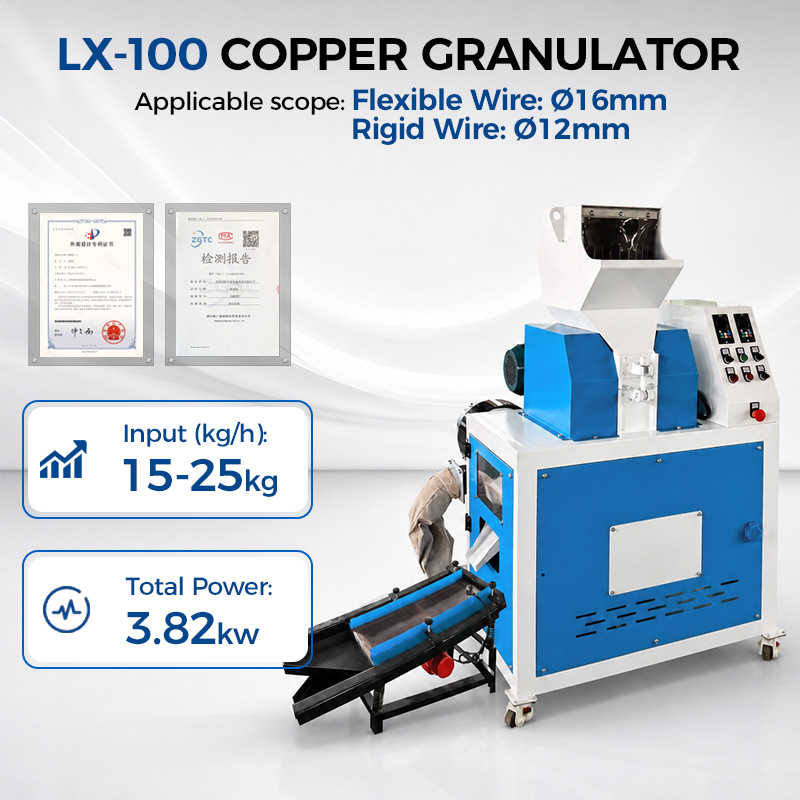
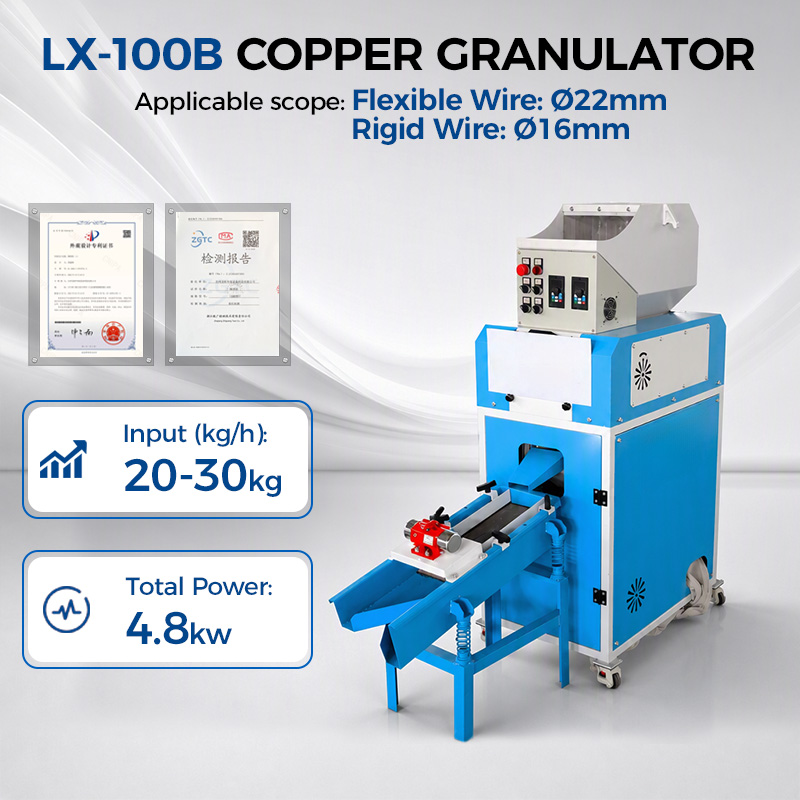
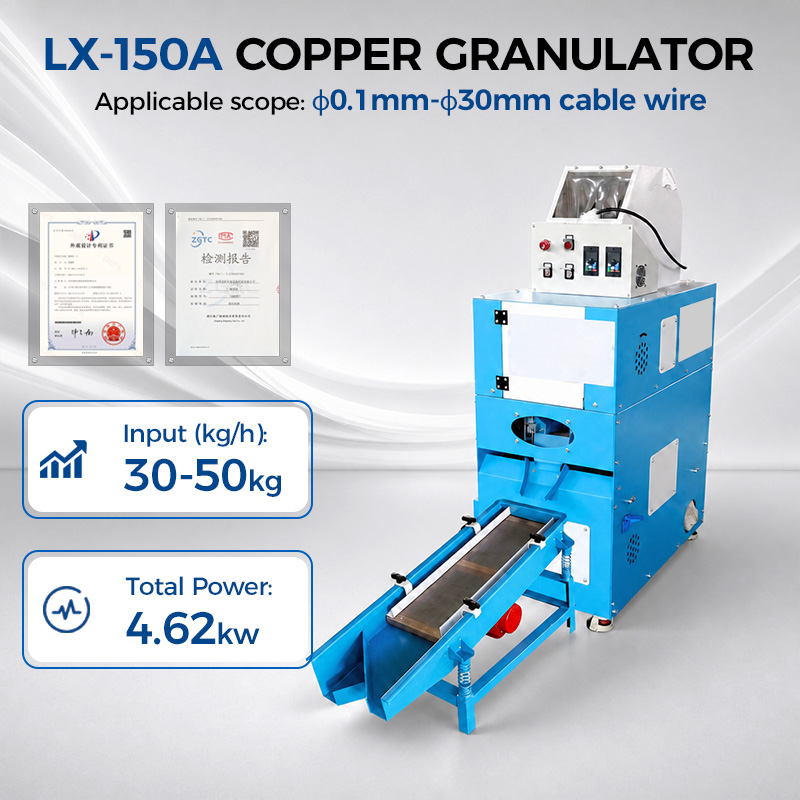
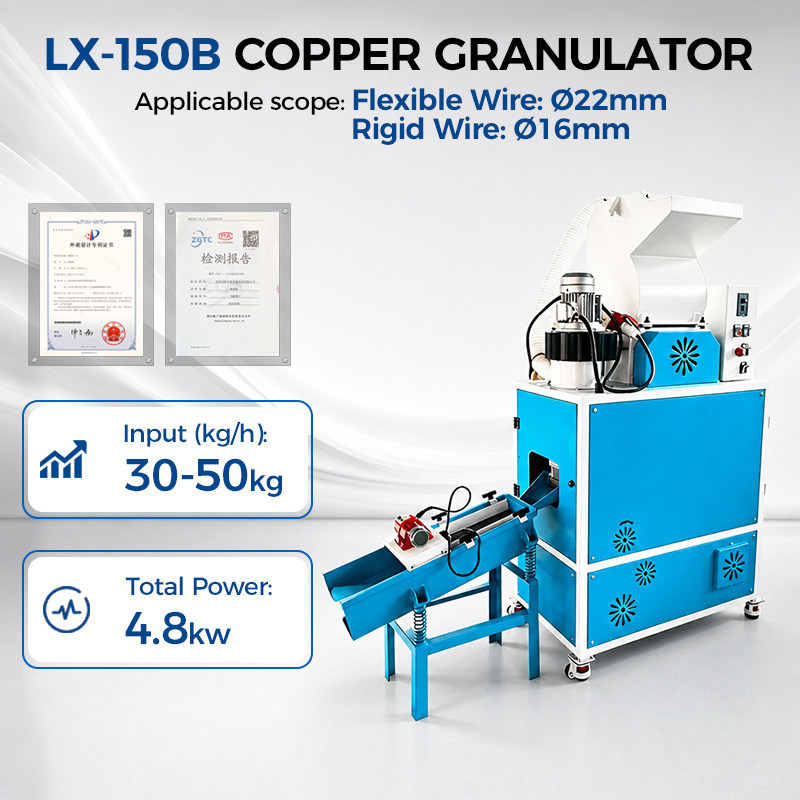
Throughput Capacity: This refers to the volume of material the machine can process in a given time frame. It's crucial to match the throughput capacity with production needs to avoid bottlenecks.

Material Compatibility: Different machines may be optimized for specific materials (plastics, metals, etc.). Ensure that the granulator machine is compatible with the materials you intend to process, such as those processed by a Copper Granulator.

Power Consumption: Energy efficiency is a significant cost consideration. Evaluate the machine's energy requirements to understand its operational costs.

Control Systems: Advanced control systems can enhance precision and efficiency. Look for machines equipped with user-friendly interfaces that allow for easy adjustments and monitoring.

Quality Certifications: Ensure that the machine complies with necessary industry standards and certifications, which can be indicative of its performance and safety.

Understanding these specifications will help buyers make informed decisions and ensure that the equipment meets their operational needs.

Get a Free Quote

Tell us about your recycling needs, and our team will recommend the right equipment and solution for your project.
0/1000

Related product categories