Choosing the Right Dry Granulator for Your Needs

application/dry-granulator, application/dry-granulator, 
Inquiry
Inquiry

dry granulator

A dry granulator is a crucial piece of equipment in the manufacturing process, primarily used for the production of granules from powdered materials. It operates without the need for solvents or water, making it an efficient choice for various industries such as pharmaceuticals, food processing, and recycling. Buyers often face concerns regarding material compatibility, operational efficiency, and the granulator’s reliability. This article will delve into essential specifications, sourcing options, common challenges, industry applications, and how to compare different dry granulator models effectively.

Where to Source Reliable Dry Granulators for Your Projects

Sourcing a reliable dry granulator involves evaluating various suppliers and manufacturers. Here are some steps to guide the process:

Research Manufacturers: Start by researching manufacturers with a solid reputation in the industry. Look for companies like Hangzhou Lansing Machinery Co., Ltd., known for its integrated manufacturing and R&D capabilities. Suppliers with a history of producing reliable recycling equipment also tend to have the expertise necessary for dry granulators.

Request Samples: Before making a purchase, request samples or demonstrations of the granulator. This allows you to assess its performance, ease of operation, and compatibility with your materials.

Check Certifications and Standards: Ensure that the supplier adheres to relevant industry standards and certifications. This not only reflects their commitment to quality but also ensures compliance with regulatory requirements.

Evaluate After-Sales Support: Reliable suppliers should provide comprehensive after-sales support, including maintenance services and spare parts availability. This is crucial for minimizing downtime and ensuring long-term operational efficiency.

Compare Pricing: While price should not be the sole determining factor, it is essential to obtain quotes from multiple manufacturers. Evaluate the total cost of ownership, which includes initial purchase price, installation costs, and any ongoing maintenance expenses.

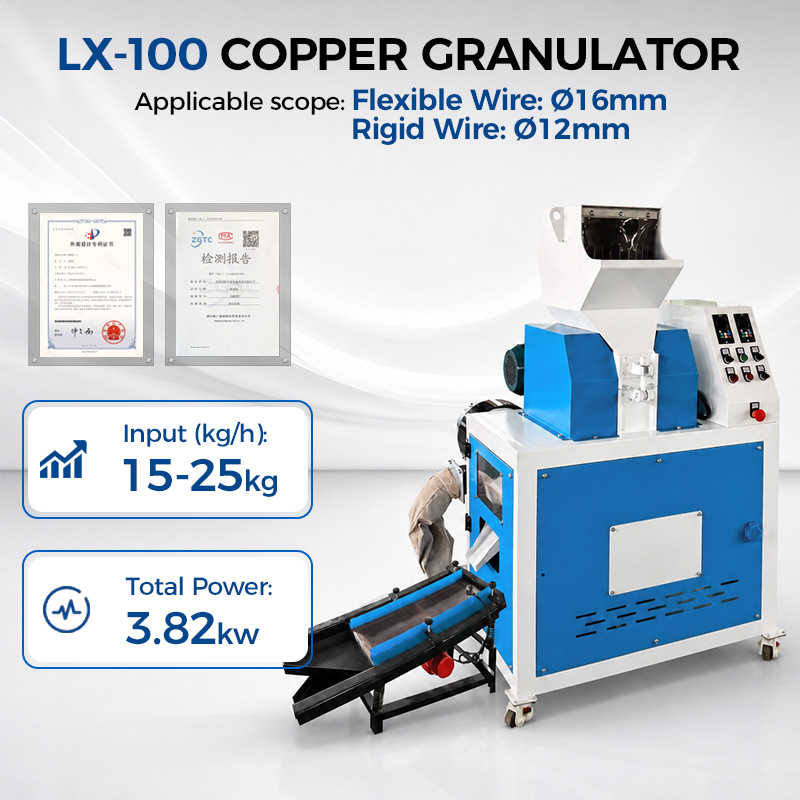
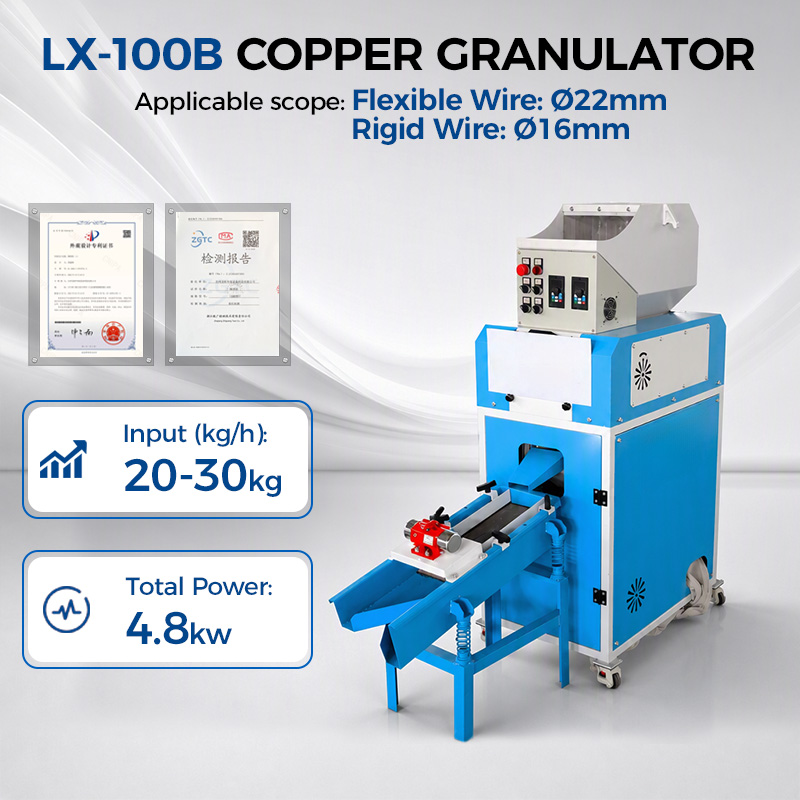
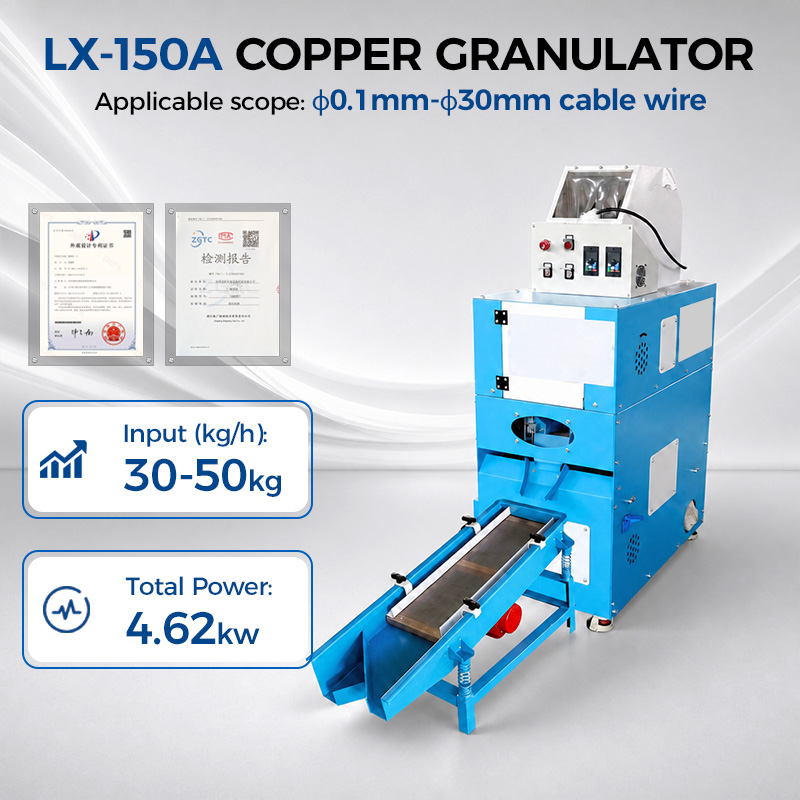
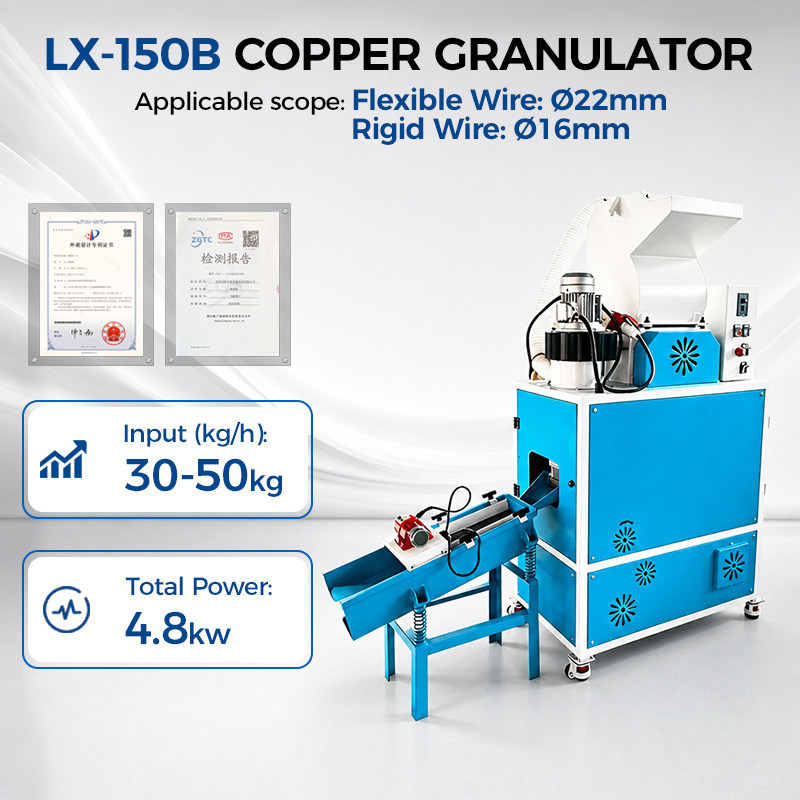
Following these steps will help you source a dependable dry granulator that meets your production needs. Additionally, considering models like the LX-400B 150-350kg/h Copper Wire Granulator with Cooling System can provide insights into cost-effective options.

Common Problems with Dry Granulators and Effective Solutions

Despite their efficiency, dry granulators can encounter several common issues. Here are a few problems along with effective solutions:

Inconsistent Granule Size: Variations in granule size can lead to problems in downstream processing. This issue often arises from improper feed rates or incorrect settings. Regular maintenance and calibration of the granulator can help ensure consistent performance. Implementing a quality control process to monitor granule size during production is also advisable.

Material Blockage: Blockages in the granulator can disrupt production and cause downtime. To prevent this, ensure that the materials are free from large lumps or foreign objects before they enter the machine. Regular cleaning and maintenance can also help mitigate this issue.

Excessive Dust Generation: Dust can be a significant concern during the granulation process, affecting both product quality and worker safety. Utilizing dust collection systems and ensuring proper sealing of the granulator can effectively reduce dust emissions.

Equipment Wear and Tear: Over time, mechanical components can wear down, leading to decreased efficiency. Implementing a regular maintenance schedule and using high-quality materials for parts that experience significant wear can prolong the life of the granulator.

By addressing these common problems proactively, operators can enhance the reliability and efficiency of their dry granulators.

Industry Applications of Dry Granulators in Manufacturing Processes

Dry granulators find applications across various industries due to their versatility and efficiency. Here are some key sectors where they play a vital role:

Pharmaceuticals: In this industry, dry granulators are used to convert powders into granules for tablet production. The granulation process ensures uniformity in drug formulation, enhancing bioavailability and consistency in dosage.

Food Processing: Dry granulators are utilized for producing granulated products such as seasonings, flavorings, and nutritional supplements. They help in achieving the desired texture and solubility, which are crucial for consumer satisfaction.

Recycling: Companies specializing in recycling waste materials, such as cables and metals, benefit from dry granulators to process these materials into granules for reuse. This process not only aids in waste management but also contributes to sustainability efforts. The LX-300A 100-150kg/h Copper Wire Granulator for Scrap Cables is an excellent example of such technology.

Chemical Manufacturing: In the production of fertilizers and other chemical products, dry granulators help in achieving the desired particle size and density, which are critical for application performance.

By understanding these applications, manufacturers can better appreciate the role of dry granulators in their processes and the potential benefits they offer.

Comparing Different Dry Granulator Models for Optimal Performance

When it comes to selecting a dry granulator, comparing different models is essential to ensure you choose the best fit for your needs. Here are some factors to consider during the comparison:

Performance Specifications: Compare the performance metrics of various models, including granulation speed, capacity, and energy consumption. This allows you to gauge which model offers the best efficiency for your production scale.

Customization Options: Different operations may require specific features or modifications. Evaluate the customization capabilities of each model. Manufacturers like Hangzhou Lansing Machinery Co., Ltd. often provide tailored solutions to meet unique production requirements.

User-Friendliness: Consider the ease of operation and maintenance for each model. A user-friendly interface and straightforward maintenance procedures can significantly reduce training time and operational disruptions.

Cost of Ownership: Beyond the initial purchase price, assess factors such as energy consumption, maintenance costs, and the availability of spare parts. A model with a higher upfront cost may be more economical in the long run if it offers better performance and reliability.

Customer Reviews and Case Studies: Investigating customer feedback and success stories can provide insight into how different models perform in real-world applications. This information can be invaluable in making an informed decision.

By carefully comparing these aspects, businesses can identify the dry granulator model that best aligns with their operational goals and production requirements.

Key Specifications to Consider When Choosing a Dry Granulator

When selecting a dry granulator, several key specifications are critical to ensuring optimal performance for your specific applications:

Granulation Method: There are various methods, such as roller compaction and high-shear granulation. Understanding the method best suited for your material is essential since it influences the granule size, density, and flowability.

Production Capacity: This specification indicates how much material the granulator can process within a given timeframe. It is crucial to match the granulator's capacity to your production needs to avoid bottlenecks or inefficiencies.

Material Compatibility: The construction materials used in the granulator must be compatible with the materials being processed. For example, stainless steel is often preferred for its durability and resistance to corrosion.

Size and Dimensions: The footprint of the machine is an important consideration, particularly if space is limited. Ensure the dimensions align with your facility's layout and operational workflow.

Control Systems: Modern dry granulators often come with advanced control systems for monitoring and adjusting operational parameters. Look for features like programmable settings and data logging to enhance precision and repeatability.

By carefully considering these specifications, buyers can select a dry granulator that meets their operational requirements while ensuring efficiency and reliability. For example, the LE-500B Electrostatic Separator for Copper and Plastic Recovery is designed with advanced features that ensure high performance and reliability.

Get a Free Quote

Tell us about your recycling needs, and our team will recommend the right equipment and solution for your project.
0/1000

Related product categories