Choosing the Right Cable Stripper for Your Needs

application/cable-stipper, application/cable-stipper, 
Inquiry
Inquiry

cable stipper

When it comes to efficiently stripping cables for recycling, choosing the right cable stripper is crucial for businesses in the manufacturing and recycling industries. A cable stripper is a specialized tool designed to cleanly remove insulation from various types of cables, allowing for the recovery of valuable metals and materials. Buyers typically seek reliable performance, durability, and ease of use. This article will guide you through important considerations when selecting a cable stripper, ensuring you make an informed decision that meets your operational needs.

Where to Find Trusted Suppliers for Quality Cable Strippers

Where to Find Trusted Suppliers for Quality Cable Strippers

When evaluating cable strippers, several key specifications should be considered to ensure high-quality performance:

Cutting Capacity: This refers to the maximum diameter of cables that the stripper can handle. It is essential to choose a model that accommodates the cables you typically work with.

Material Construction: Quality cable strippers are often made from high-strength materials that resist wear and tear. Steel components, for example, provide durability and longevity, while plastic parts should be robust enough to withstand repeated use.

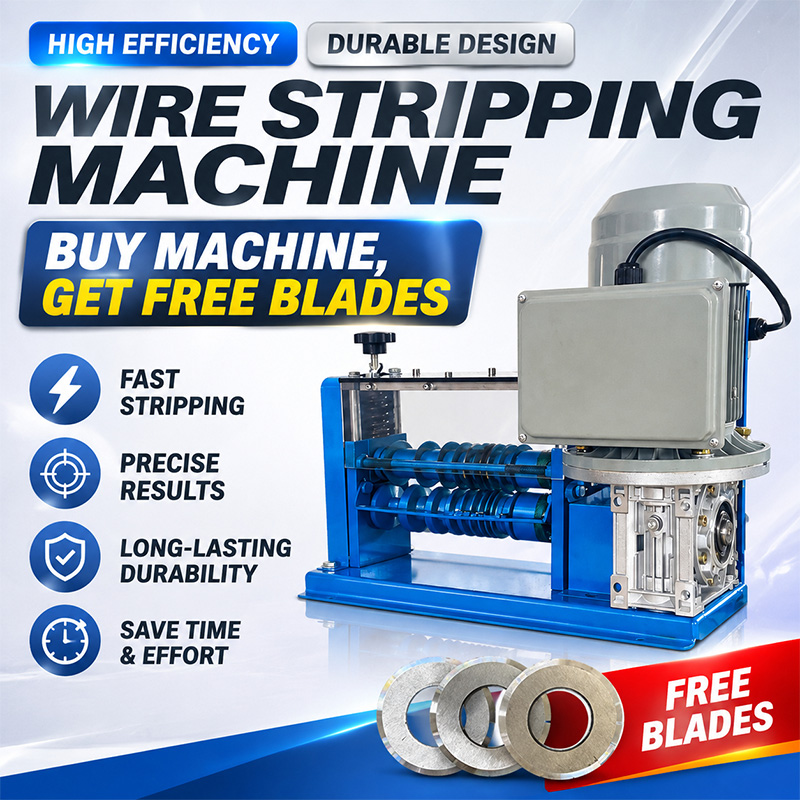
Blade Design: The blade's sharpness and design impact its efficiency in stripping insulation. Look for models with replaceable blades to maintain performance over time.

Automated Features: Some advanced models include features like automatic feeding and cutting, which can enhance productivity. Evaluate whether these features are necessary for your operation.

Safety Features: Ensure the stripper has safety mechanisms to protect operators from injury during use. This could include guards or automatic shut-off features when the machine is not in operation.

Understanding these specifications will help you select a cable stripper that not only meets your operational needs but also provides reliable performance.

Installation Guidance for Efficient Use of Cable Strippers

Installation Guidance for Efficient Use of Cable Strippers

Assessing the quality of a cable stripper is essential to prevent costly repairs and downtime. Here are some practical steps to evaluate quality before making a purchase:

Reputation of the Manufacturer: Research the manufacturer's background and experience in producing cable strippers. A reputable manufacturer, such as Hangzhou Lansing Machinery Co., Ltd., will have a history of providing reliable equipment and good customer service.

User Reviews and Testimonials: Look for reviews from other users within your industry. Feedback from peers can provide insights into the performance and reliability of specific models.

Quality Certifications: Check if the equipment meets industry standards or certifications. This can be an indicator of the safety and reliability of the product.

Warranty and Support: A robust warranty and responsive customer support can indicate a manufacturer’s confidence in their product, providing peace of mind for buyers.

Hands-On Testing: If possible, request a demonstration or a trial period to assess the machine's performance firsthand. This can help confirm that the stripper meets your operational expectations.

By taking these steps, you can ensure that the cable stripper you choose will serve your business effectively and efficiently.

Applications of Cable Strippers in Various Industrial Settings

Applications of Cable Strippers in Various Industrial Settings

Proper installation is crucial for maximizing the efficiency of your cable stripper. Follow these guidelines to ensure effective operation:

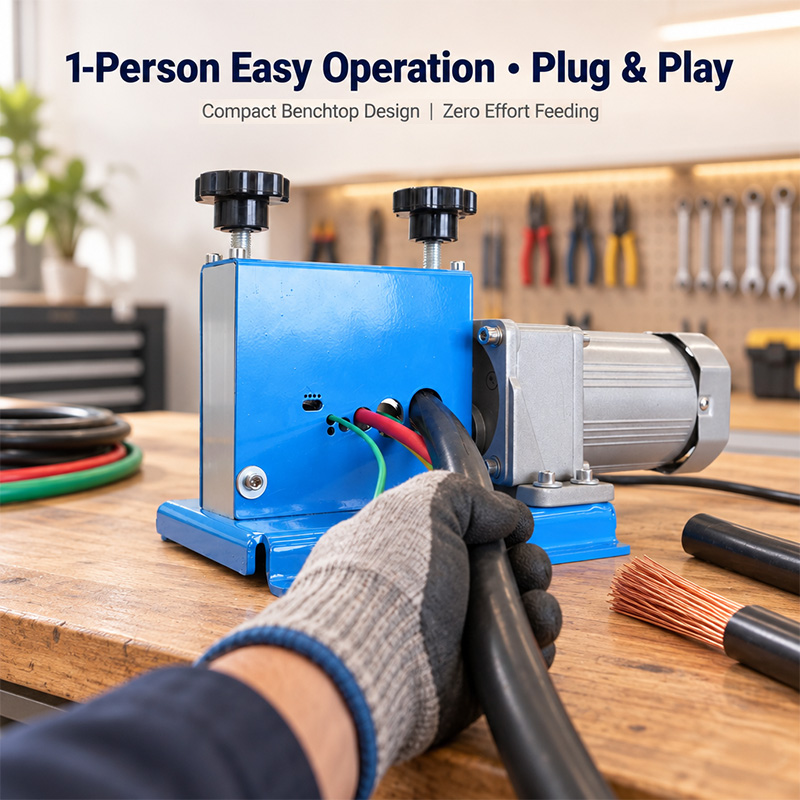
Location and Setup: Install the stripper in a location that allows for easy access and maneuverability. Ensure there is adequate space for both the machine and the operator.

Power Requirements: Verify that the machine's power requirements align with your facility’s electrical systems. This includes checking voltage and amperage specifications to prevent electrical issues.

Calibration: After installation, calibrate the machine according to the manufacturer's instructions. Proper calibration is essential for achieving optimal performance and reducing wear on the equipment.

Training: Ensure that operators are properly trained in the use of the cable stripper. Training should cover safety protocols, operational procedures, and troubleshooting common issues.

Regular Maintenance: Schedule regular maintenance checks to keep the equipment running smoothly. This should include inspecting blades, cleaning components, and ensuring that safety features are functional.

Following these installation guidelines will help ensure that your cable stripper operates efficiently and safely, contributing to your production goals.

Common Problems with Cable Strippers and Their Solutions

Cable strippers are widely used across multiple industries, each with unique applications. Understanding these applications can help you identify the most suitable model for your business:

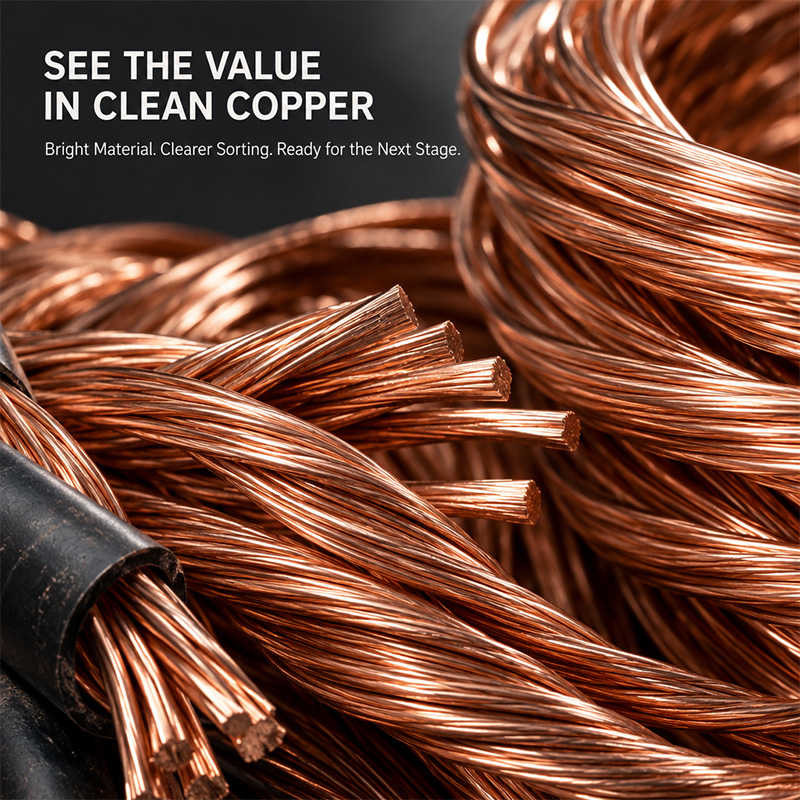
Recycling Industry: In recycling facilities, cable strippers are essential for processing scrap cables. They enable the recovery of copper and aluminum, contributing to sustainable recycling practices. For instance, the Copper Granulator is an excellent tool for enhancing the efficiency of this process.

Manufacturing: Manufacturers often use cable strippers to prepare cables for assembly in electronic devices or machinery. Effective stripping ensures clean connections, improving the overall quality of the final product.

Construction: In construction settings, cable strippers are used to prepare electrical wiring for installation. Properly stripped wires are crucial for ensuring safe and reliable electrical systems.

Automotive: The automotive industry utilizes cable strippers for handling wires in vehicles. Efficient stripping is necessary for maintaining high production speeds in assembly lines.

Telecommunications: Cable strippers are vital for preparing communication cables, ensuring that data transmission is efficient and reliable.

By understanding the various applications of cable strippers, you can better assess which model aligns with your specific industry needs and operational goals. Choosing the right cable stripper can significantly impact the efficiency and effectiveness of your operations. By considering the factors detailed, you can make an informed purchasing decision that will benefit your business for years to come.

What to Consider When Choosing a Cable Stripper for Bulk Orders

Selecting the appropriate cable stripper involves understanding your specific requirements based on the types of cables you handle and your production volume. For wholesale operations, it’s vital to consider factors such as the cable diameter range, the type of insulation materials, and the expected throughput.

Cable strippers come in various designs, including manual, semi-automatic, and fully automatic models. For high-volume operations, investing in a fully automatic cable stripper can significantly increase efficiency and reduce labor costs. In contrast, smaller businesses may find that a manual or semi-automatic stripper suffices for their needs, such as those offered by Wire Stripping Machine.

Consider also the ease of maintenance and the availability of replacement parts. A reliable manufacturer, such as Hangzhou Lansing Machinery Co., Ltd., can provide ongoing support, ensuring your equipment remains in top condition for as long as possible.

Frequently Asked Questions

What is the cable stripper used for?

The cable stripper removes insulation from waste cables to recover copper/aluminum, improving recycling efficiency and material value.
It handles various insulated power and communication cables; size range and capacity are customizable—provide sample specs for exact compatibility.
Yes. We offer tailored designs and integrated solutions from RD to manufacturing and after-sales to fit your plant layout and throughput.
We deliver installation guidance, training, spare parts, and technical assistance to ensure continuous operation and fast troubleshooting.
Contact our sales team with cable samples, required capacity, and site details; we will propose equipment specs, layout, and a formal quotation.

Get a Free Quote

Tell us about your recycling needs, and our team will recommend the right equipment and solution for your project.
0/1000