Cable Recycling Lines: Key Specifications and Suppliers

application/cable-recycling-line, application/cable-recycling-line, 
Inquiry
Inquiry

cable recycling line

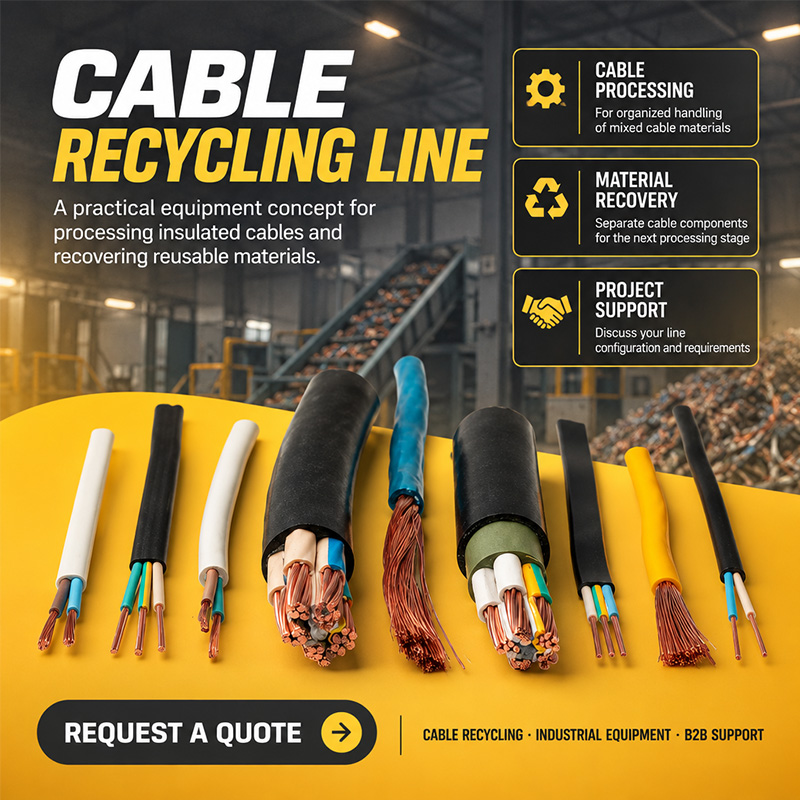
As industries move towards sustainable solutions, cable recycling lines have emerged as essential equipment for efficiently processing waste cables and metals. These lines not only help businesses adhere to environmental regulations but also enable them to recover valuable materials. For purchasing managers and engineers, understanding the intricacies of cable recycling lines is crucial for making informed decisions. This article will explore bulk order options, key specifications, quality evaluation, applications across industries, and guidance on finding reliable suppliers.

Key Specifications to Consider

Key Specifications to Consider

When selecting a cable recycling line, several key specifications must be taken into account:

Processing Capacity: This refers to the amount of waste cables the line can handle within a specific timeframe. It’s important to choose a capacity that aligns with your operational needs to avoid bottlenecks.

Material Compatibility: Different recycling lines are designed to process various types of cables, including copper, aluminum, and mixed materials. Confirming the line’s compatibility with your specific waste streams ensures optimal performance.

Separation Technology: Effective separation of materials is crucial for maximizing recovery rates. Look for features such as advanced shredding, granulating, and air separation systems, which improve efficiency and reduce contamination. Utilizing a Shredding Machine can significantly enhance the separation process.

Automation Level: Higher automation can lead to lower labor costs and increased throughput. Evaluate the level of automation that fits your operational capabilities and workforce skills.

Space Requirements: Understanding the physical dimensions of the equipment is essential for planning installation. Ensure that the chosen line fits within the designated area while allowing for ease of maintenance and operation.

How to Evaluate the Quality of Cable Recycling Equipmen

How to Evaluate the Quality of Cable Recycling Equipmen

Evaluating the quality of cable recycling equipment is vital for ensuring long-term performance and reliability. Here are some practical steps buyers can take:

Request Samples or Demonstrations: Before committing to a purchase, ask for a demonstration of the equipment in action. This allows you to observe its performance, ease of use, and maintenance requirements firsthand.

Check Certifications and Standards: Ensure that the equipment complies with local and international safety and quality standards. This not only guarantees reliability but also helps prevent potential legal issues.

Review Production Techniques: Understanding the manufacturing processes used by the supplier can provide insights into the quality of the final product. Companies with integrated manufacturing and R&D capabilities, like Hangzhou Lansing Machinery Co., Ltd., often deliver superior equipment built with industry best practices.

After-Sales Support: Quality should not end with the purchase. Reliable suppliers offer comprehensive after-sales support, including maintenance services, spare parts availability, and technical assistance.

Customer Testimonials: Research feedback from existing customers to gauge satisfaction levels and identify any recurring issues with the equipment. This can provide valuable insights into the supplier’s reliability and the equipment’s performance in real-world applications.

Top Applications for Cable Recycling Lines in Various Industries

Top Applications for Cable Recycling Lines in Various Industries

Cable recycling lines are versatile and find applications across multiple industries:

Electrical and Electronics Recycling: These lines play a crucial role in processing waste from electrical appliances, ensuring that valuable metals are recovered and hazardous materials are disposed of properly.

Construction and Demolition: Waste cables from construction sites can be efficiently processed, allowing companies to meet sustainability goals while recovering valuable materials.

Automotive Industry: As vehicles become increasingly electrified, the need for recycling cables from electric vehicles and traditional cars is growing. These lines support the recovery of copper and aluminum, which are essential for manufacturing new parts.

Telecommunications: With rapid advancements in technology, old communication cables need recycling. Cable recycling lines help manage this waste while recovering valuable materials.

Manufacturing: Factories generating scrap cables can benefit from on-site recycling solutions that reduce waste disposal costs and contribute to circular economy initiatives.

Where to Find Reliable Suppliers for Cable Recycling Solutions

Finding a trustworthy supplier for cable recycling solutions is crucial for a successful purchase. Here are some tips:

Industry Directories and Trade Shows: Attending trade shows and consulting industry directories can help you connect with reputable manufacturers. These events are ideal for networking and discovering the latest innovations in cable recycling technology.

Online Research: Explore online platforms that focus on recycling equipment and machinery. Review supplier websites to assess their product offerings, technical specifications, and customer reviews.

Request Recommendations: Reach out to industry colleagues or trade associations for recommendations on reliable suppliers. Peer insights can lead you to manufacturers known for quality and service.

Evaluate Supplier Credentials: Look for suppliers with proven experience in the recycling industry, such as Hangzhou Lansing Machinery Co., Ltd., which offers integrated solutions from design to after-sales support. Their expertise can provide confidence in your purchasing decision.

Compare Quotes: Once you have identified potential suppliers, request quotes and compare them based on pricing, specifications, delivery times, and after-sales support. This thorough evaluation process will help you make an informed choice.

By understanding the critical aspects of cable recycling lines, from bulk order options to supplier evaluation, purchasing managers and engineers can make well-informed decisions that align with their operational goals and sustainability initiatives.

Bulk Order Options for Cable Recycling Lines

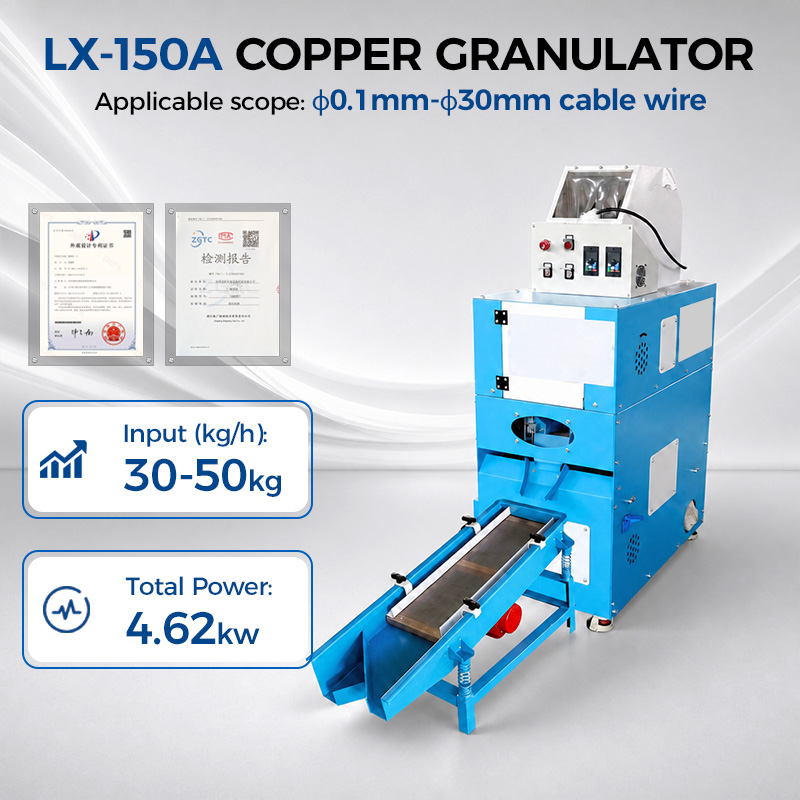
When considering a bulk order of cable recycling lines, buyers should evaluate their specific needs, such as production capacity, machine compatibility, and intended application. Manufacturers like Hangzhou Lansing Machinery Co., Ltd. often provide various customization options to meet unique operational requirements. Additionally, exploring options such as the Copper Granulator can be beneficial for maximizing material recovery.

Buyers should inquire about minimum order quantities (MOQs) and potential discounts for bulk purchases. For example, ordering multiple units might lead to reduced unit costs or favorable payment terms. Additionally, it’s essential to discuss lead times, as bulk orders may require longer production schedules, especially if custom features are involved. Early communication with suppliers can help clarify these details and streamline the procurement process.

Get a Free Quote

Tell us about your recycling needs, and our team will recommend the right equipment and solution for your project.
0/1000