Choosing the Right Automatic Cable Stripping Machine

application/automatic-cable-stripping-machine, application/automatic-cable-stripping-machine, 
Inquiry
Inquiry

automatic cable stripping machine

Automatic cable stripping machines are essential tools in the recycling and manufacturing industries, designed to efficiently remove insulation from cables and wires. These machines significantly enhance productivity by automating a process that, if done manually, can be time-consuming and labor-intensive. B2B buyers, such as purchasing managers and engineers, often face challenges when selecting the right model, including specifications, installation requirements, and cost factors. This article will help you navigate these concerns and make informed decisions when sourcing an automatic cable stripping machine.

Key Specifications to Consider When Sourcing Cable Stripping Equipmen

When evaluating automatic cable stripping machines, several key specifications will influence your purchasing decision:

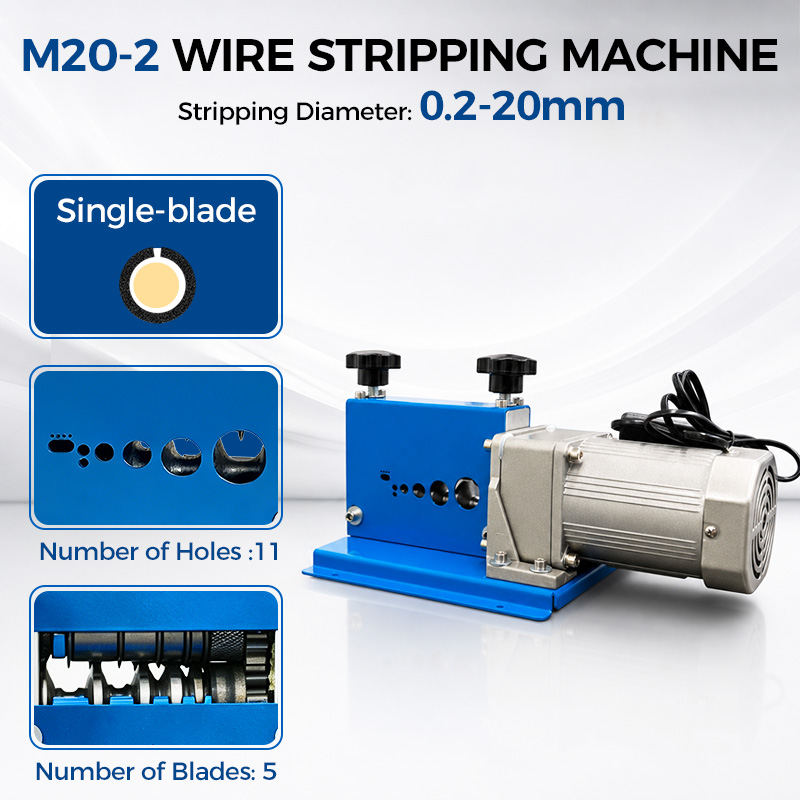
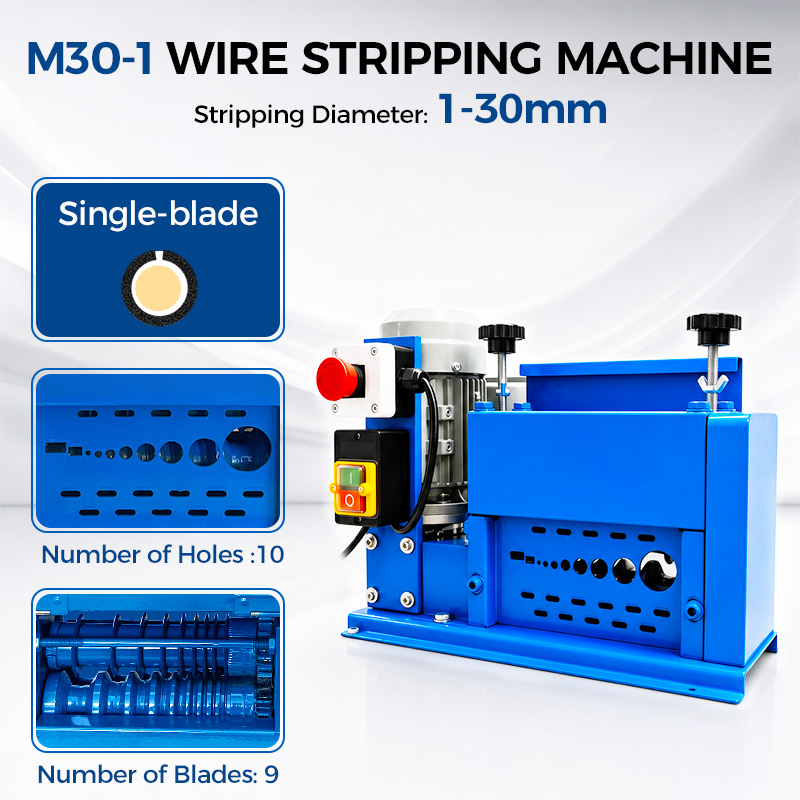
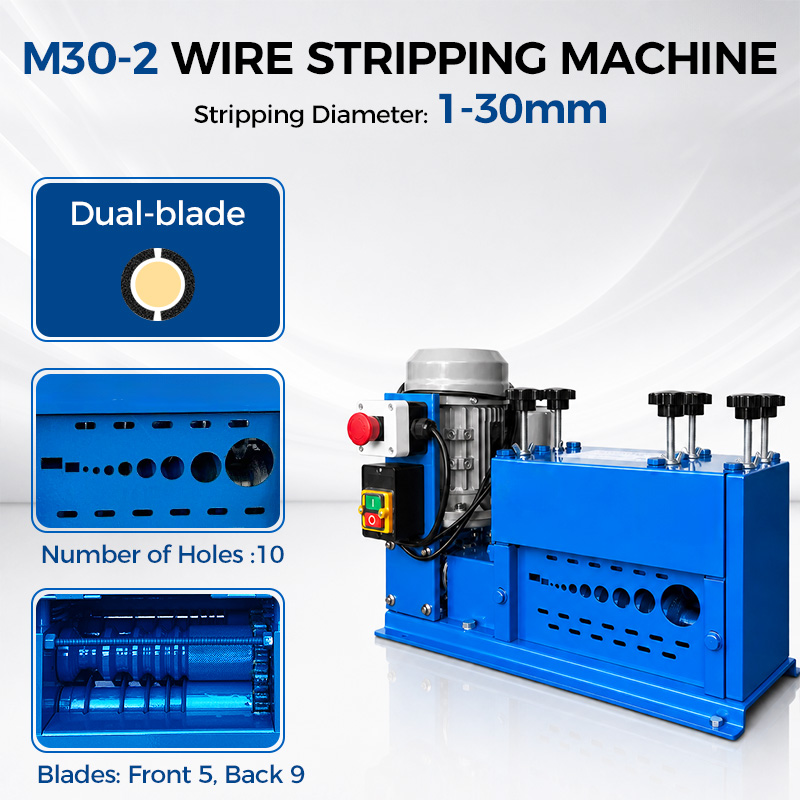
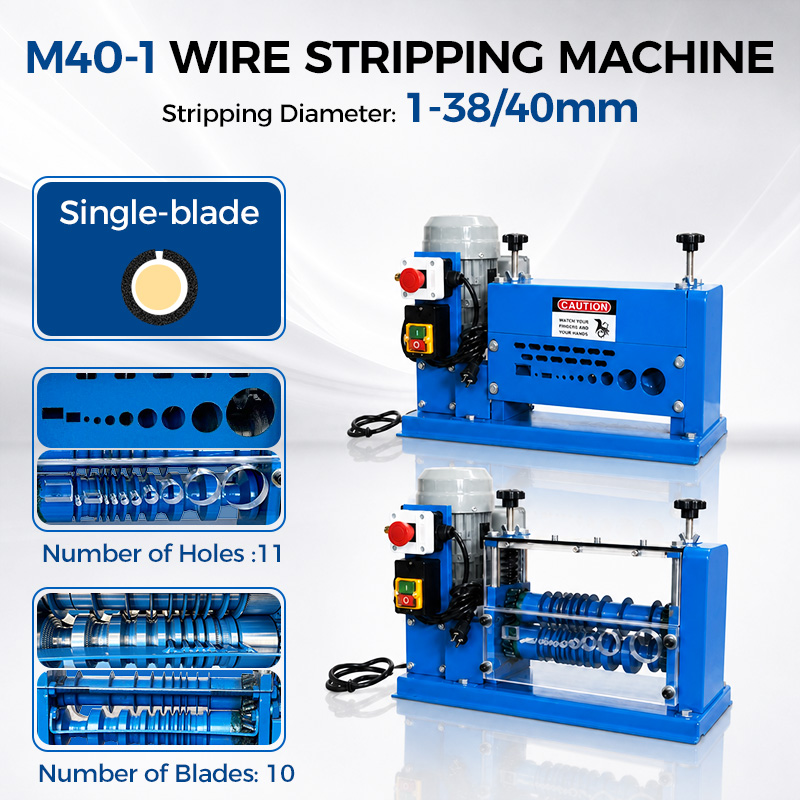
Stripping Capacity: Check the machine's maximum wire gauge and insulation thickness it can handle. If you are dealing with a variety of cables, ensure the machine can accommodate this range.

Motor Power: The motor's horsepower affects the machine’s efficiency and ability to strip tougher insulation materials. A more powerful motor can enhance performance, particularly in high-volume applications.

Speed and Throughput: Analyze the machine's stripping speed, usually measured in meters per minute. A higher throughput rate means more cables can be processed in less time, which is essential for high-demand operations. Machines like the LX-400B 150-350kg/h Copper Wire Granulator with Cooling System are designed for high throughput.

Automation Features: Look for machines with automated adjustments, such as those that can automatically detect wire diameter or adjust stripping lengths. These features can save time and reduce operator error.

Build Quality and Safety Features: A sturdy construction ensures longevity, while safety features like emergency stops and protective guards are vital for operator safety.

By understanding these specifications, you can make a more informed decision that aligns with your operational needs.

Understanding the Cost Factors of Automatic Cable Stripping Machines

Installing an automatic cable stripping machine can present several challenges. One common issue is ensuring adequate space and infrastructure for the machine. Many machines require specific electrical and ventilation setups, so it's essential to review the manufacturer's specifications before installation.

Another challenge is integrating the machine with existing production lines. Compatibility with other equipment can be a concern; thus, it is advisable to consult with the manufacturer for guidance on installation best practices. They can provide insights on how to optimize the workflow and minimize disruptions during the setup process.

Lastly, training operators on the new equipment is crucial. Proper training can prevent operational errors and enhance the machine's effectiveness. Ensure the supplier offers comprehensive training and support during the installation phase.

Where to Find Reliable Suppliers of Automatic Cable Stripping Machines

The total cost of an automatic cable stripping machine encompasses more than just the initial purchase price. Buyers should consider several factors that contribute to the overall investment:

Initial Cost: While it’s tempting to choose the cheapest option, consider the value offered by the machine. Higher-quality machines may come with better warranties and support, translating to lower long-term costs.

Operational Costs: Evaluate the machine's energy consumption and maintenance needs. More efficient machines can save on electricity bills and reduce downtime for repairs.

Customization Costs: If your operations require specific adaptations or custom features, these can add to the initial cost. Discuss customization options with the manufacturer to understand the implications for your budget.

Shipping and Installation Fees: Don’t overlook logistics costs. Depending on your location, shipping fees can vary significantly. Additionally, factor in any installation or setup costs that may arise.

By considering these aspects, you can develop a clearer picture of the total cost of ownership for an automatic cable stripping machine.

Materials Used in Automatic Cable Stripping Machines

Automatic cable stripping machines are versatile tools used across various industries, including recycling, electrical manufacturing, and automotive sectors. Their primary application is in the efficient processing of waste cables to recover valuable metals and materials, which can be reused or sold.

The benefits of using these machines include:

Increased Efficiency: Automation streamlines the stripping process, allowing for higher throughput and less manual labor.

Improved Safety: By reducing manual handling, the risk of workplace injuries associated with cable stripping is minimized.

Consistent Quality: Automated machines deliver uniform stripping results, enhancing the quality of the finished product and reducing material waste.

Long-term Cost Savings: Although the initial investment may be significant, the operational savings and increased productivity can lead to lower overall costs in the long run. Machines like the LX-300A 100-150kg/h Copper Wire Granulator for Scrap Cables exemplify this advantage.

Understanding these applications and benefits can help you justify the investment in an automatic cable stripping machine to stakeholders within your organization.

In summary, selecting the right automatic cable stripping machine requires careful consideration of your specific needs, the technical specifications of the machine, installation challenges, and the total cost of ownership. By leveraging the insights provided, you can make a more informed decision that aligns with your operational goals and budgetary constraints.

How to Compare Automatic Cable Stripping Machines for Wholesale Purchase

When selecting an automatic cable stripping machine, begin by assessing your specific operational requirements. Consider the types and sizes of cables you will be processing. For instance, machines are typically designed to handle various wire gauges; thus, understanding the range of diameters and insulation types is crucial.

Additionally, evaluate the machine's stripping speed and efficiency, as this directly impacts productivity. A higher stripping speed can reduce cycle time, making your operations more efficient. Look for machines with adjustable settings that allow for customization based on different cable types. For example, the LE-1200 Electrostatic Copper-Plastic Separator with Dust Collection is one such model that offers flexibility in handling various materials.

Finally, consider the reliability of the manufacturer. A reputable supplier like Hangzhou Lansing Machinery Co., Ltd. can provide insights into the durability and performance of their machines, ensuring you receive a product that meets your needs.

Get a Free Quote

Tell us about your recycling needs, and our team will recommend the right equipment and solution for your project.
0/1000