EN
Cable and Radiator Recycling Solution in Poland
Discover efficient cable and radiator recycling solutions in Poland from Lansing Machinery. Partner with us for sustainable practices.

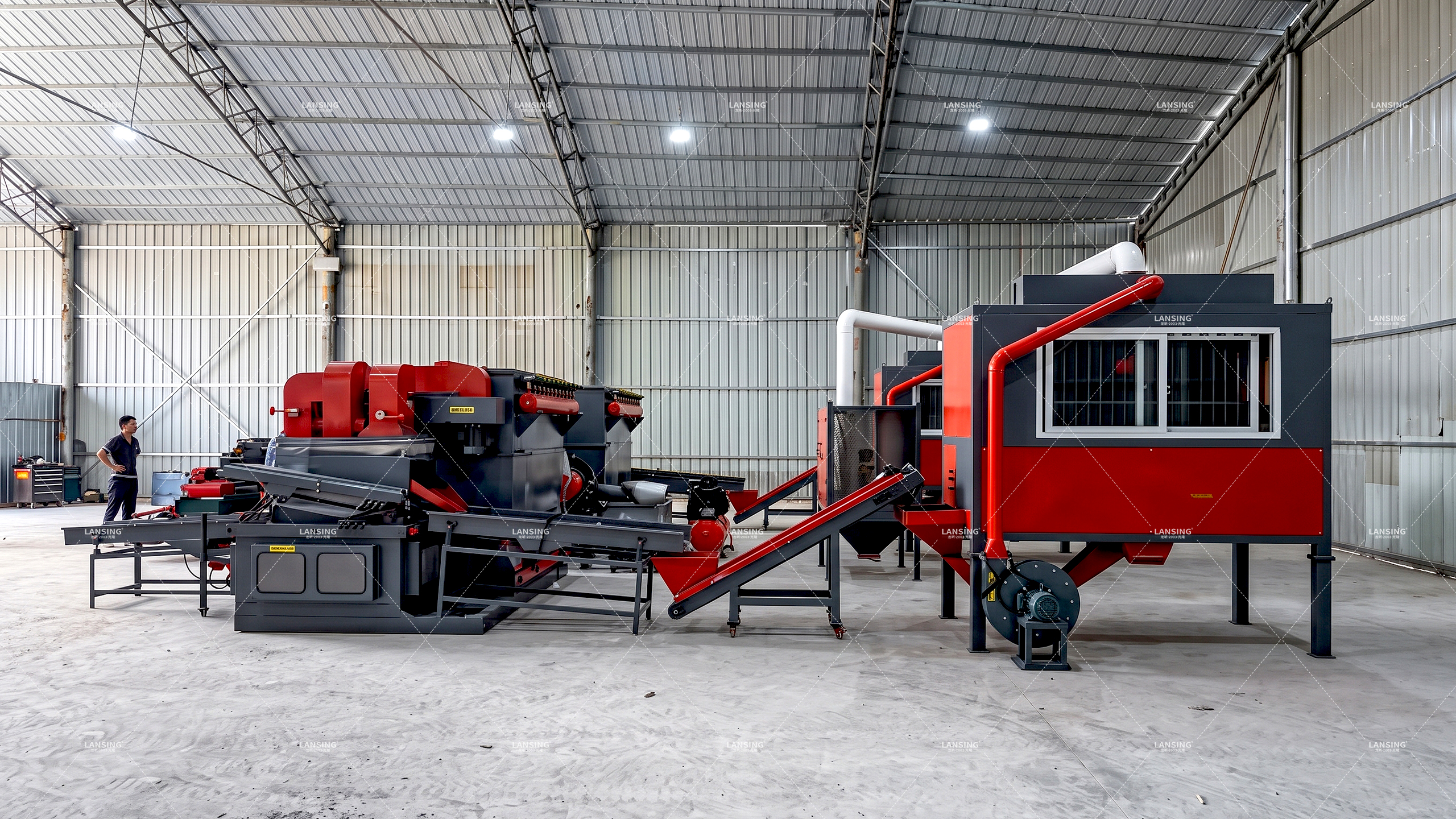
Lansing LX-800 Dry-Type Copper Wire Granulator with LE-1800 Electrostatic Separator
Project Overview
| Item | Details |
| Project | Cable Recycling and Fine Copper Recovery in the UK |
| Customer | A UK business specializing in scrap cable recycling and secondary metal processing |
| Equipment Configuration | Lansing 800 dry-type copper wire granulator and 1800 electrostatic separator |
| Input Materials | Scrap copper cables, mixed insulated wires, and copper-plastic separation residues containing fine copper |
| Target Input Capacity | Approximately 500–700 kg/h, depending on feedstock composition and separation requirements |
| Project Objectives | Increase processing efficiency, reduce fine copper losses, and improve the value of recovered materials |
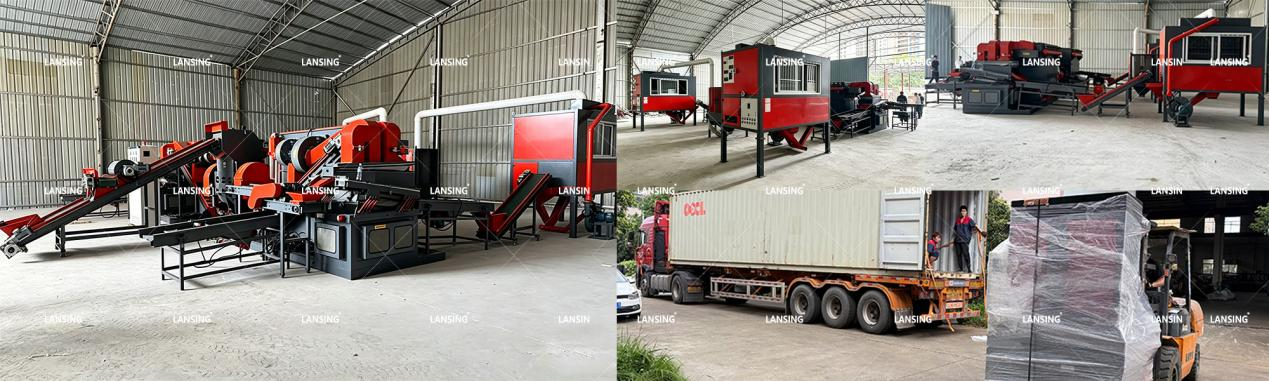
Customer Background
The customer serves the UK market, processing scrap cables generated by electrical installation work, equipment replacement, and industrial operations. These materials vary in cable diameter, insulation thickness, and copper content, requiring a recycling system that can accommodate changing feedstock.
As the business expanded, the customer sought to increase processing capacity, reduce cable stockpiles, and separate copper and plastic into material streams suitable for sale to downstream buyers.
Fine copper recovery was a particular concern. After granulation and initial air separation, some small copper particles can remain in the plastic-rich fraction. Recovering this residual metal offers an opportunity to reduce copper losses and improve the quality of the separated plastic.
The customer therefore needed a dry recycling solution that combined primary cable processing with an additional stage for recovering fine copper from separation residues.
Customer Requirements
Process a Variety of Scrap Cables
Handle mixed copper cables following appropriate presorting, reducing reliance on stripping individual wires and supporting more efficient batch processing.
Support a Target Input of 500–700 kg/h
Design the solution around an approximate input capacity of 500–700 kg/h. Actual throughput would depend on cable construction, material composition, feed consistency, and the required separation quality.
Improve Copper Recovery and Plastic Quality
Separate the main copper fraction, then recover residual fine copper from the plastic-rich material to reduce metal losses and improve the quality of both output streams.
Use a Dry Separation Process
Separate copper and plastic without water-based sorting, with dust collection supporting cleaner conditions around the granulation and separation stages.
Simplify Daily Operation and Maintenance
Arrange the equipment to suit the available workshop space and material flow, while allowing access for cleaning, inspection, and wear-part maintenance.
The Lansing Solution
The proposed configuration combines the Lansing 800 dry-type copper wire granulator with the 1800 electrostatic separator, linking cable granulation and air separation with further recovery of fine copper.
1. Controlled Feeding and Cable Granulation
Following presorting, a conveyor feeds suitable cable scrap into the granulation unit. Mechanical cutting reduces the cable into smaller particles, releasing copper from the surrounding insulation for downstream separation.
Feed rate and operating settings are adjusted to suit the material and maintain a consistent flow through the system. Hard foreign objects and unsuitable materials are removed before feeding.
2. Air Separation for Primary Copper Recovery
The granulated mixture enters the air-separation stage. Differences in density and response to airflow allow the main copper fraction to be separated from the lighter plastic material.
This stage performs the primary copper-plastic separation, producing a copper-rich output and a plastic-rich fraction that may still contain fine metal particles.
3. Electrostatic Separation for Residual Fine Copper
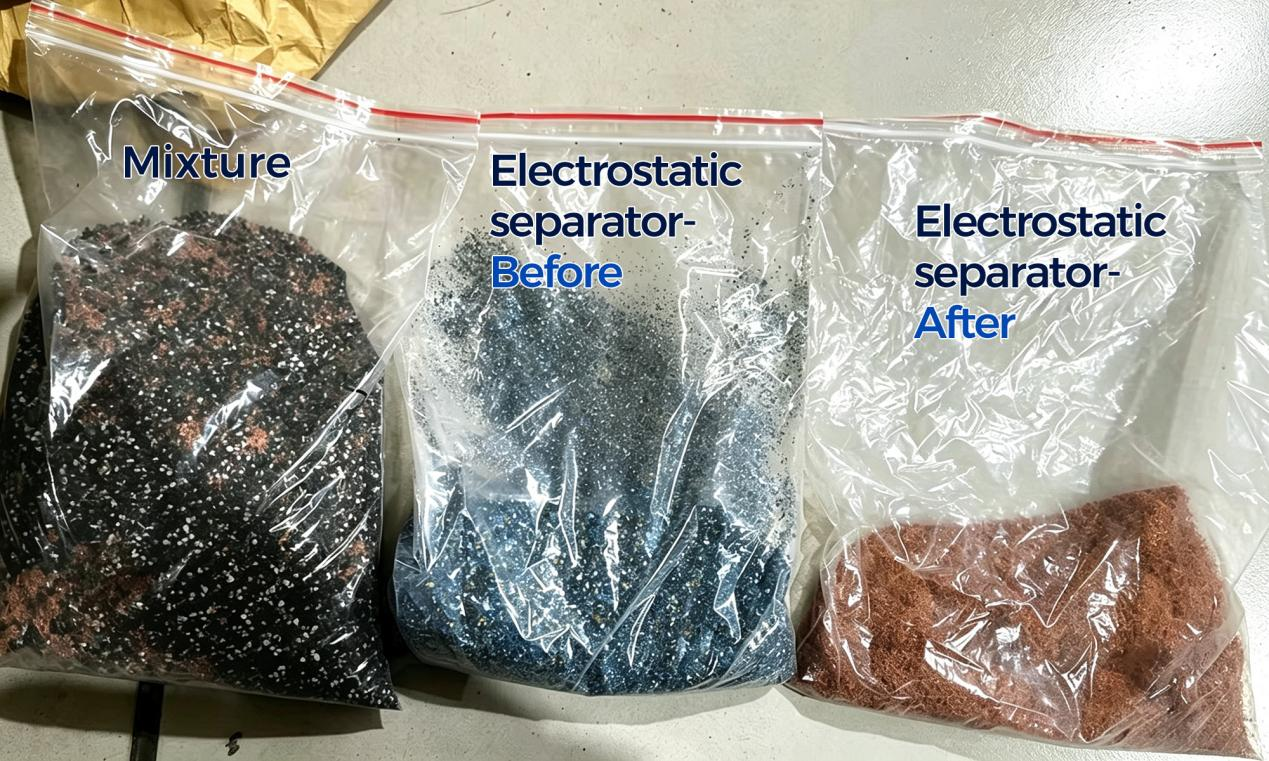
The 1800 electrostatic separator further processes suitable residues containing fine copper. It uses differences in the electrical properties of conductive metal and nonconductive plastic to separate particles that remain mixed after primary sorting.
This additional stage is intended to recover residual copper and reduce the metal content of the plastic fraction. Feed dryness, particle size, and operating settings are important to performance, so adjustments should be based on representative material trials.
4. Dust Collection Throughout Processing
Negative-pressure dust extraction and pulse-cleaning dust collection capture dust generated during granulation and separation, helping limit its spread around the processing area.
The copper-plastic separation process operates without water, avoiding the washing and dewatering stages associated with wet separation methods.
Expected Project Benefits
More Efficient Mixed-Cable Processing
Connecting conveying, granulation, and separation reduces manual transfers between processing stages. This supports a more continuous workflow and helps manage incoming cable volumes during busy periods.
Additional Recovery of Fine Copper
Combining air separation with electrostatic separation provides a further recovery route for copper remaining in the plastic-rich fraction. Metal that might otherwise leave the process with the residue can be collected separately.
Better Material Quality for Downstream Sales
The two separation stages are intended to produce cleaner copper and reduce residual metal in the plastic output. This gives the customer a stronger basis for sorting recovered materials by quality and matching them to downstream buyers’ requirements.
Less Reliance on Manual Stripping and Repeated Sorting
For suitable feedstock, centralized granulation and separation reduce the need to strip individual wires and repeatedly sort material by hand. Operators can focus more on feeding, output inspection, and routine equipment care.
Processing Capability to Support Business Growth
The Lansing 800 and 1800 combination addresses both mixed-cable processing and fine copper recovery. The proposed system provides a foundation for expanding the customer’s recycling operations while placing greater emphasis on the value recovered from each material stream.
These benefits are project objectives. Actual throughput, output quality, and copper recovery should be verified using the customer’s feedstock under agreed operating conditions.
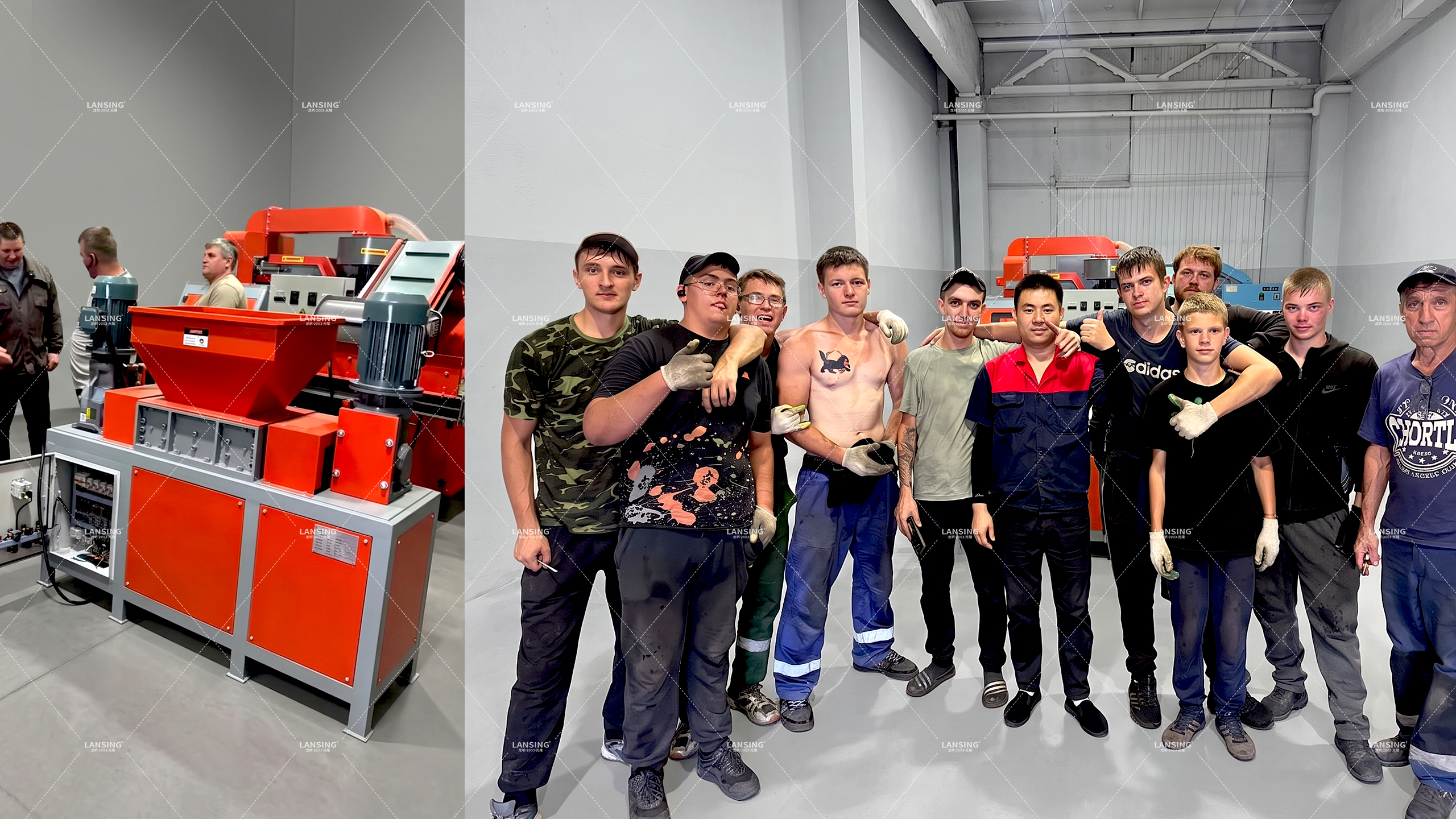
Discover efficient cable and radiator recycling solutions in Poland from Lansing Machinery. Partner with us for sustainable practices.
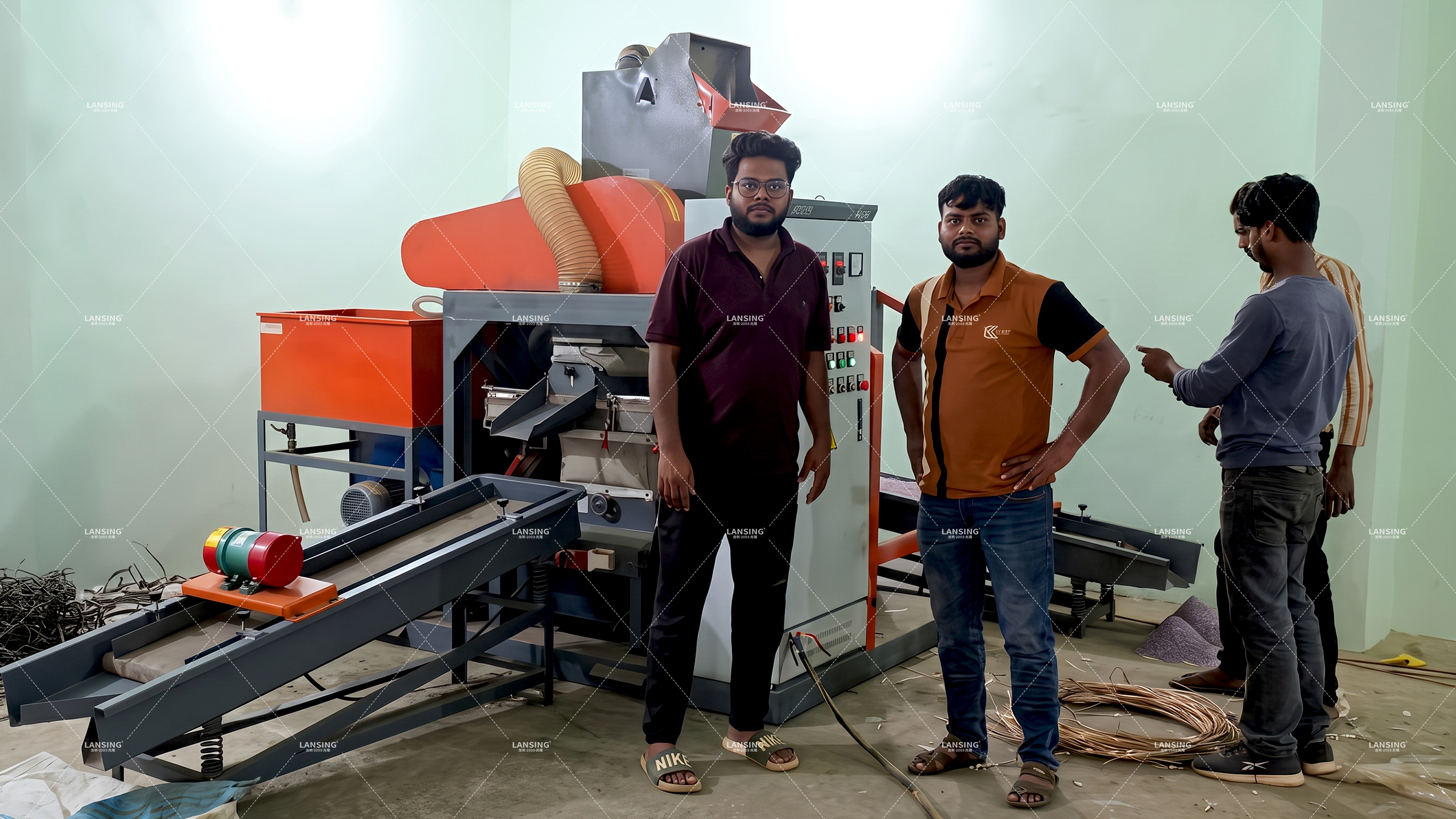
Discover the LX-400B Copper Wire Granulator, now delivered to India. Efficient recycling solutions from Lansing Machinery.