EN
UK Cable Recycling Project: Recovering Copper from Mixed Scrap Cable
Explore our UK cable recycling project focused on recovering copper from scrap cable. Sustainable and efficient solutions await.

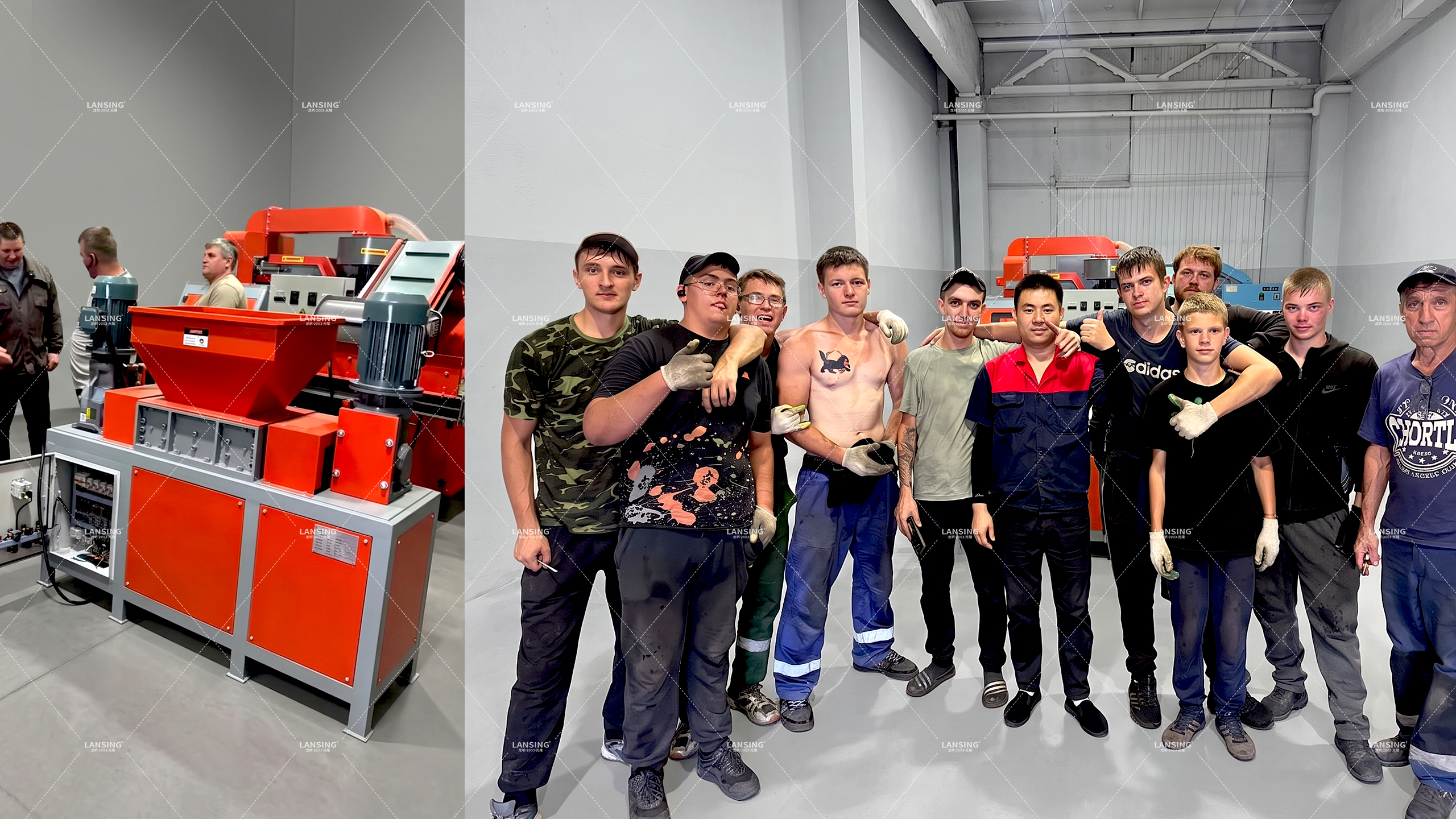
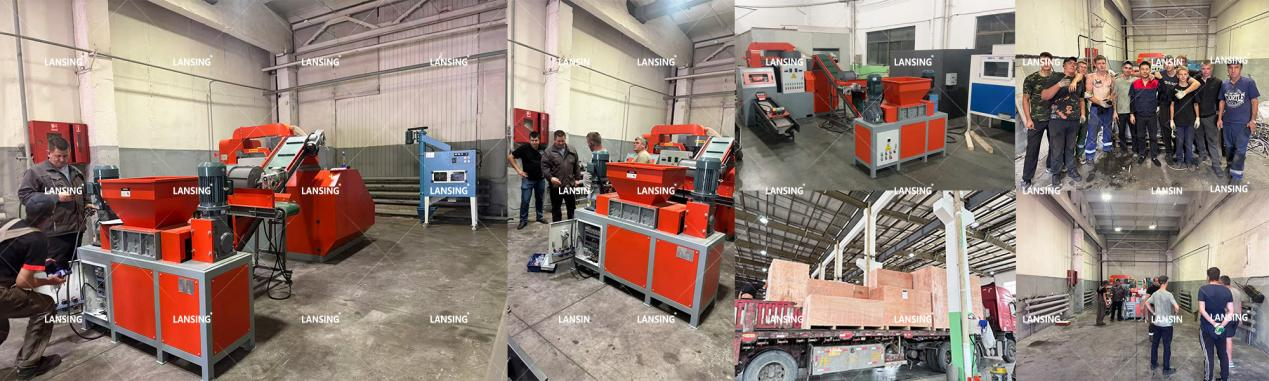
Lansing supplied a recycling solution for a Polish customer involved in telecommunications, air conditioning, and cable-related businesses. The project covered scrap cables and waste radiators, with particular attention to iron removal, equipment operation, and routine maintenance.
After reviewing technical information and machine demonstration videos, the customer visited Lansing’s production facility in China to evaluate the equipment in person. The final selection combined a compact 400 shredder, an LX-400C cable recycling line, a 500B electrostatic separator, and equipment for radiator dismantling, cutting, and wire stripping.
Lansing subsequently arranged for personnel to visit the customer’s facility in Poland for on-site installation and practical operation. The customer expressed satisfaction with the separation results demonstrated on site.
Project Overview
| Item | Project Details |
| Location | Poland |
| Customer’s Business | Telecommunications, air conditioning, and cable-related operations |
| Processing Materials | Scrap cables and waste radiators |
| Main Concerns | Iron removal, installation, operation, and daily maintenance |
| Main Recycling Equipment | Compact 400 shredder, LX-400C recycling line, and 500B electrostatic separator |
| Supporting Equipment | Radiator dismantling machine, table saw, and wire stripping machine |
| On-Site Support | Installation and practical equipment operation at the customer’s facility in Poland |
| Customer Feedback | Satisfied with the on-site separation results |
Customer Background: Different Materials, Different Processing Needs
The customer’s business covers several sectors, bringing together scrap materials with different structures and processing requirements. Waste cables contain conductors and insulation, while radiators require a different approach to dismantling and material preparation.
The project therefore required equipment that could support several processing routes. Cable shredding and separation needed to be considered alongside radiator dismantling, cutting, and wire stripping.
The customer also wanted to understand how iron-containing components would be handled and how the equipment would be installed, operated, and maintained at the customer’s facility.
The Challenge: From Equipment Selection to Practical Operation
Three concerns shaped the project.
Handling Iron-Containing Material
Iron removal was an important consideration when discussing the incoming scrap and processing sequence. The customer needed to understand how material preparation and separation would fit into the overall recycling process.
Installing and Operating Multiple Machines
The selected equipment served different purposes. Beyond understanding individual specifications, the customer needed practical guidance on how the machines would be installed and used at the site.
Managing Routine Maintenance
The customer also raised questions about everyday upkeep. Access to operating guidance and direct communication during installation were important parts of preparing for equipment use.
How Lansing Developed the Solution
The selection process began with the product catalog and equipment demonstration videos. Technical information helped the customer compare machine options, while the videos provided a clearer view of the processing steps and separation results.
The customer then traveled to China to visit the production facility. This provided an opportunity to examine the equipment in person and discuss the proposed configuration before making the final selection.
The resulting package combined equipment for cable recycling with separate tools for radiator dismantling and material preparation.
| Selected Equipment | Role in the Solution |
| Compact 400 Shredder | Upstream size reduction of suitable material before further processing |
| LX-400C Recycling Line | Cable granulation and copper-plastic separation |
| 500B Electrostatic Separator | Additional separation of suitable metal and nonmetal mixed particles |
| Radiator Dismantling Machine | Dismantling suitable waste radiators |
| Table Saw | Cutting and preparing suitable material |
| Wire Stripping Machine | Removing insulation from suitable cables through a separate stripping route |
The electrostatic separator serves a different purpose from iron-removal equipment. Its role is further metal–nonmetal separation; iron-containing material must be considered separately when defining the preparation and processing steps.
Why This Configuration Fit the Project
Multiple Processing Routes
The combination accommodated the customer’s different material categories. Radiators could follow a dismantling route, while cables could be directed toward stripping or granulation according to their construction and suitability.
Preparation Before Granulation
The compact 400 shredder added an upstream preparation stage for suitable feedstock. This connected material size reduction with the LX-400C’s downstream processing role.
An Additional Separation Stage
The 500B electrostatic separator added a further separation option for suitable mixed particles. This supported the customer’s focus on the quality of recovered material.
Practical Support at the Customer’s Site
On-site assistance allowed installation and operating questions to be addressed with the equipment physically in place. This was particularly relevant to a project involving several machines and processing methods.
On-Site Installation and Operation in Poland
Following equipment selection and delivery, Lansing arranged for personnel to visit the customer’s facility in Poland for installation support and practical operation.
Working at the customer’s facility allowed the team to demonstrate the equipment in its intended setting and communicate directly about use and routine upkeep. The visit also gave the customer an opportunity to observe the separation results on site.
The customer expressed satisfaction with the demonstrated separation performance. A group photograph taken during the visit records the on-site collaboration between the customer and Lansing’s team.
Project Outcome
The project progressed from catalog review and video demonstrations to a factory visit in China, equipment selection, and on-site installation at the customer’s facility in Poland.
The delivered solution brought together cable recycling, additional electrostatic separation, radiator dismantling, cutting, and wire stripping equipment. This gave the customer several processing options for the different scrap materials handled by the business.
The confirmed result was successful on-site installation and practical operation, with the customer satisfied with the observed separation results.
A Reference for Businesses Handling Different Scrap Materials
This project illustrates the value of selecting equipment around the material and the processing task. Businesses handling both cables and radiators may need several complementary machines, with clear preparation steps and operating guidance for each.
For this customer, factory evaluation and on-site support were important parts of turning an equipment purchase into a working recycling solution.
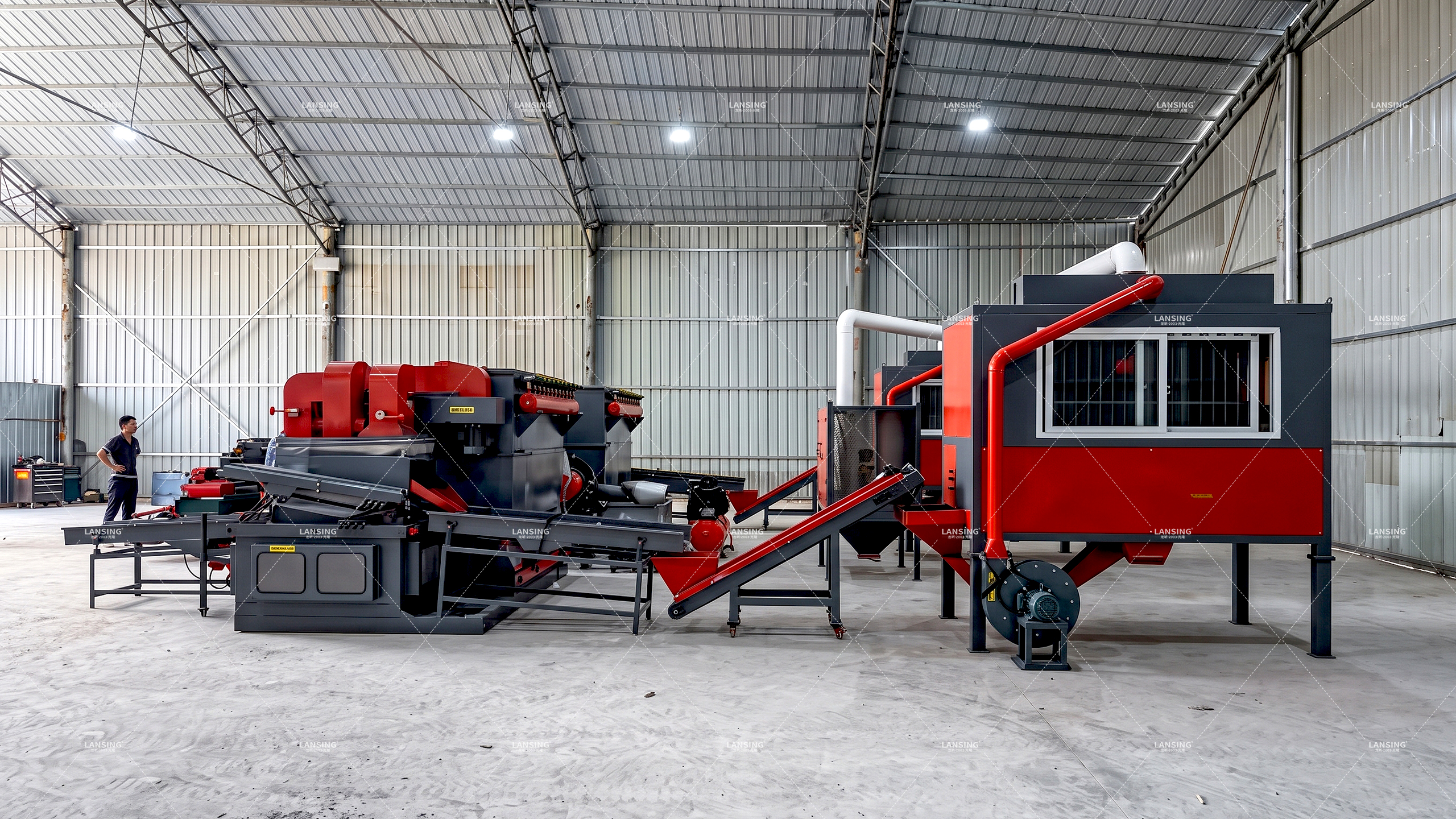
Explore our UK cable recycling project focused on recovering copper from scrap cable. Sustainable and efficient solutions await.
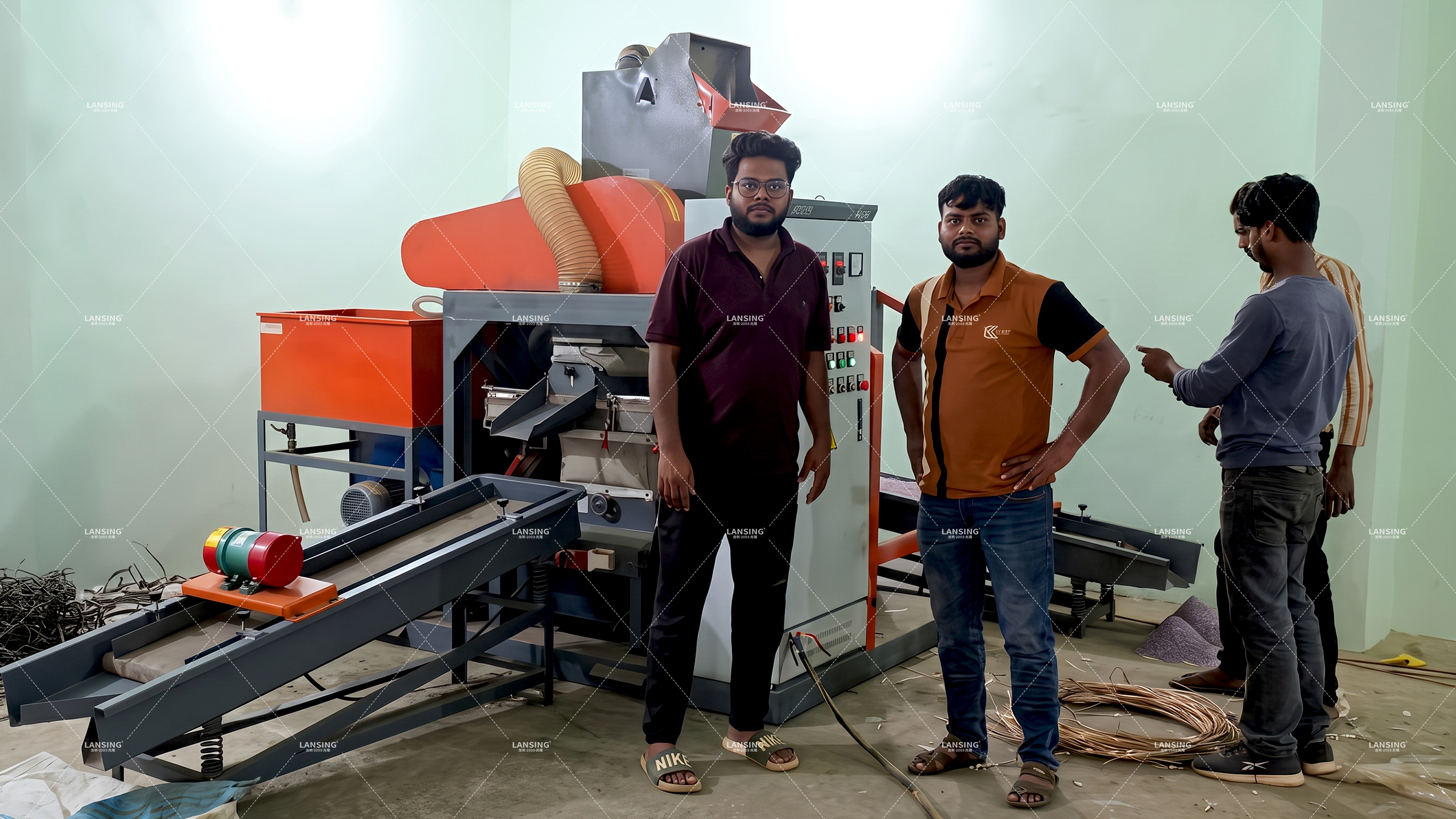
Discover the LX-400B Copper Wire Granulator, now delivered to India. Efficient recycling solutions from Lansing Machinery.