Wholesale Insights on Wire and Cable Strippers

application/wire-and-cable-stripper, application/wire-and-cable-stripper, 
Inquiry
Inquiry

wire and cable stripper

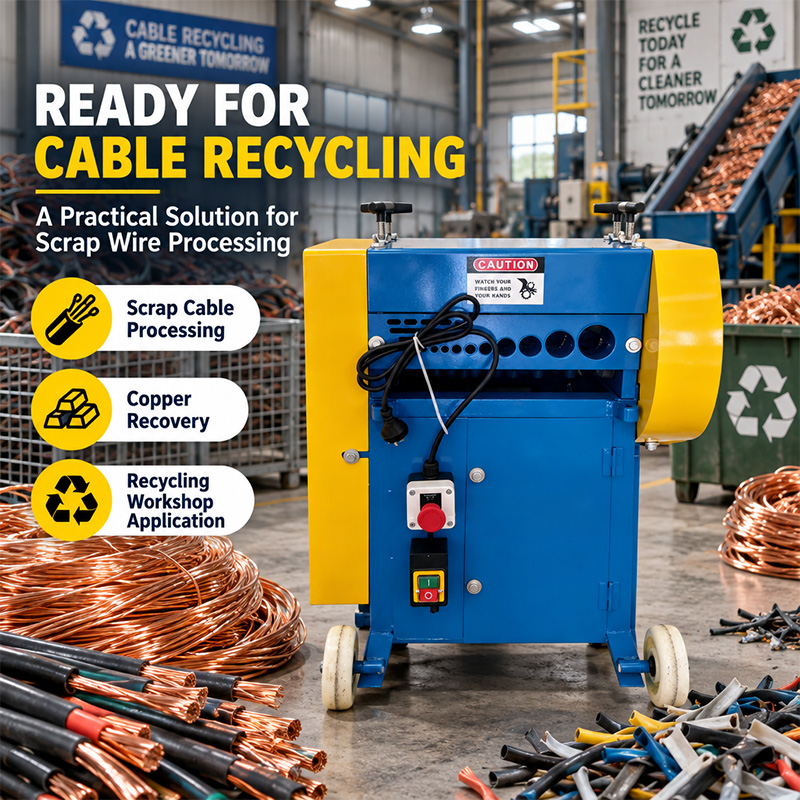
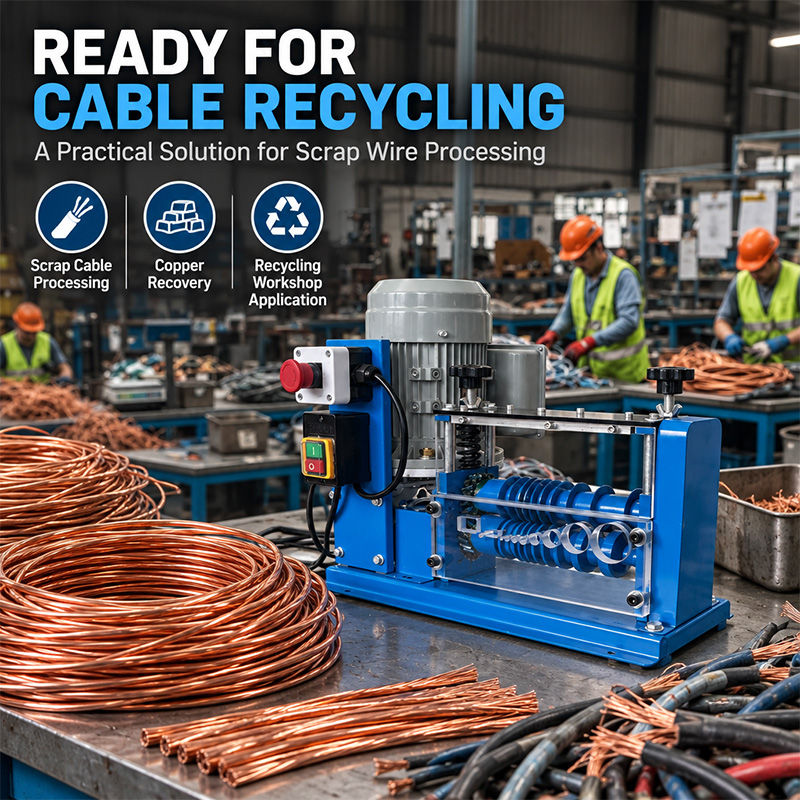
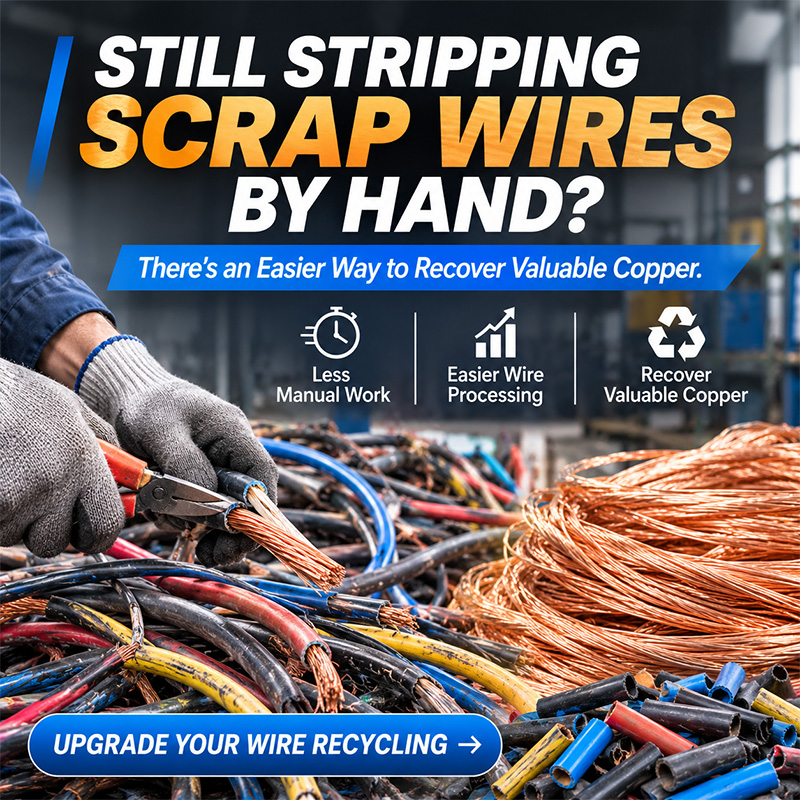
Wire and cable strippers are essential tools in manufacturing and electrical industries, designed to efficiently remove insulation from wires and cables without damaging the conductive material beneath. For purchasing managers, engineers, and product managers, understanding the nuances of wire and cable strippers is crucial for ensuring optimal performance and cost-effectiveness. This article will provide insights into selecting the right wire strippers, installation guidance, cost considerations, and various applications across industries.

Key Specifications to Consider When Selecting Wire Strippers

Key Specifications to Consider When Selecting Wire Strippers

Several technical specifications must be evaluated when selecting wire and cable strippers to ensure they meet application requirements.

Cutting Capacity: This refers to the maximum gauge of wire the stripper can handle. Different applications may require stripping various wire sizes, so it’s essential to choose a model that accommodates the full range of wire gauges used in your operations.

Blade Material: The blade's material affects its durability and cutting efficiency. High-carbon steel or stainless steel blades are common, with stainless steel providing better corrosion resistance, which is important in humid or corrosive environments.

Ergonomics and Design: The design and grip of the tool can significantly impact user comfort and efficiency. Strippers with ergonomic handles reduce hand fatigue during prolonged use, which is particularly important in high-volume operations.

Adjustability: Advanced models may offer adjustable settings for different wire insulation types, allowing for greater versatility. This is especially beneficial when working with varying materials or insulation thicknesses. For example, the LS-300B Compact Dual-Shaft Shredder for Cable and Plastic Recycling is designed to handle a variety of materials with ease.

Safety Features: Some wire strippers come with safety locks or protective guards to prevent accidents during operation. These features can enhance workplace safety, which is a crucial consideration for buyers.

Installation Guidance for Optimal Use of Wire Strippers

Installation Guidance for Optimal Use of Wire Strippers

Proper installation and usage of wire strippers are critical to maximizing their efficiency and lifespan. Here are some practical steps for effective use:

Familiarization: Before using the wire stripper, operators should familiarize themselves with the tool’s functions, including any adjustment mechanisms for different wire sizes and types.

Calibration: If the wire stripper includes adjustable settings, ensure that it is calibrated correctly for the specific wire being stripped. Incorrect settings can lead to damaged wires or ineffective stripping.

Technique: Use a consistent and steady motion when stripping wire. Applying too much force can damage the blade or the wire itself, leading to costly errors.

Maintenance: Regular maintenance, such as cleaning the blades and checking for wear, ensures optimal performance. Users should also periodically inspect the tool for any mechanical issues.

Training: Providing training for operators on the correct usage of wire strippers can significantly reduce the risk of accidents and improve overall productivity.

Cost Factors to Evaluate When Buying Wire and Cable Strippers

Cost Factors to Evaluate When Buying Wire and Cable Strippers

When evaluating costs associated with purchasing wire and cable strippers, several factors come into play.

Initial Cost: The upfront cost of the strippers is often the first consideration. However, it’s essential to assess the long-term value, as cheaper models may not provide the durability or efficiency required for high-volume use.

Operational Costs: Consider the operational costs, including maintenance and potential downtime due to tool failure. Investing in higher-quality tools, such as the LX-400C 250-450kg/h Fully Enclosed Copper Wire Granulator, can reduce these costs over time.

Customization: If specific customization requirements exist, such as unique dimensions or additional features, this can affect the overall price. Discussing customization options with the manufacturer at the outset can help clarify these costs.

Shipping and Handling: For wholesale purchases, shipping costs can significantly impact the total expense. Buyers should negotiate shipping options and understand any additional handling fees that may apply.

Volume Discounts: Inquire about volume pricing for bulk purchases. Many manufacturers offer discounts for larger orders, which can lead to substantial savings.

Applications of Wire and Cable Strippers in Various Industries

Wire and cable strippers are utilized across a wide array of industries, each with specific requirements and applications.

Electronics Manufacturing: In electronics, precision stripping is crucial for ensuring reliable connections. Strippers must be able to handle fine wires and delicate insulation without damaging the conductive core.

Construction: In the construction industry, wire strippers are essential for preparing wiring for electrical installations. Strippers need to accommodate various wire gauges and types, making versatility a key feature.

Automotive: The automotive industry employs wire strippers for harness assembly, where efficiency and precision are vital. Strippers used in this sector may require specific features to handle automotive-grade wiring.

Renewable Energy: With the rise of renewable energy installations, wire strippers are increasingly used for solar panel and wind turbine wiring. These applications often require tools that can strip heavy-duty cables efficiently.

Telecommunications: In telecommunications, effective stripping is essential for ensuring signal integrity. Strippers must be able to handle both copper and fiber optic cables, necessitating different blade designs and specifications.

By understanding these applications and the specific requirements of each industry, purchasing managers can make informed decisions when selecting wire and cable strippers that best fit their operational needs.

Wholesale Purchasing Insights for Wire and Cable Strippers

When sourcing wire and cable strippers in bulk, several key factors should be considered. First, evaluating the manufacturer’s reputation and experience in the industry is vital. Established manufacturers, like Hangzhou Lansing Machinery Co., Ltd., often provide assurances of quality and reliability due to their integrated manufacturing and R&D capabilities.

Additionally, buyers should inquire about the minimum order quantity (MOQ) and production capacity. This information helps ensure that the supplier can meet demand without delays. Understanding the lead time is also crucial; efficient logistics can significantly impact project timelines.

Lastly, obtaining samples before committing to a large order allows buyers to verify the quality and performance of the wire strippers. Testing a sample under actual operating conditions can highlight any potential issues in functionality or compatibility with existing equipment.

Frequently Asked Questions

What materials can the wire and cable stripper handle?

Our stripper processes copper, aluminum and insulated cables of various diameters, including multi-core and single-core wires used in recycling and metal recovery.
Capacity varies by model and cable type; typical machines process from 100 kg to 1000+ kg per hour. Contact us with material details for exact throughput estimates.
Yes. We provide customized solutions from design to production to meet specific wire types, capacity, automation level, and site requirements.
We offer installation guidance, operator training, spare parts supply, remote troubleshooting and ongoing technical support to ensure reliable operation.
Provide cable types, desired capacity, and site details via contact form or email. Our team will assess needs and deliver a tailored quote and solution plan.

Get a Free Quote

Tell us about your recycling needs, and our team will recommend the right equipment and solution for your project.
0/1000