Choosing the Right Granulator for Sale

application/granulator-for-sale, application/granulator-for-sale, 
Inquiry
Inquiry

granulator for sale

When considering a granulator for sale, buyers are often looking for a reliable machine that can efficiently process waste materials, particularly in recycling operations. A granulator plays a critical role in breaking down larger waste materials into smaller, manageable pieces, which can then be reused or processed further. We will explore key considerations when purchasing a granulator, how to choose the right model for specific manufacturing needs, supplier reliability, application environments, and the importance of step-by-step support during the purchasing and installation process.

How to Choose the Right Granulator for Your Manufacturing Needs

How to Choose the Right Granulator for Your Manufacturing Needs

Selecting the right granulator involves evaluating your specific manufacturing requirements. Start by identifying the type of waste materials you aim to process. Different granulators may specialize in handling various forms, including cable insulation or metal scraps. Additionally, assess the size and volume of materials. A granulator with adjustable output sizes can provide flexibility, allowing you to customize the granulation process according to the end product specifications. For example, a Shredding Machine may be beneficial for preparing materials before granulation.

Next, consider the production capacity of the granulator. This should align with your operational throughput requirements. If your facility processes large volumes of waste, you may need a high-capacity granulator, while smaller operations might benefit from a compact model.

It’s also essential to evaluate the granulator's energy efficiency. Machines designed with energy-saving technologies can significantly reduce operational costs. Lastly, inquire about customization options that can accommodate any unique processing needs your facility may have.

Supplier Reliability and Quality

Supplier Reliability and Quality

Choosing a reliable supplier is crucial when purchasing a granulator for sale. Look for manufacturers with a proven history in the recycling equipment industry. A supplier's reputation can often be gauged through customer reviews, testimonials, and case studies.

In addition, consider the quality assurance processes employed by the supplier. Reputable manufacturers often adhere to strict quality control standards and certifications that guarantee the reliability of their machines. It’s advisable to request information about the supplier’s warranty and after-sales support, as these factors can significantly impact your long-term satisfaction with the equipment.

Moreover, consider whether the supplier offers comprehensive technical support, including installation, maintenance, and troubleshooting assistance. A supplier that provides ongoing support can help ensure that your granulator operates efficiently throughout its lifespan.

Where and How to Use This Equipmen

Where and How to Use This Equipmen

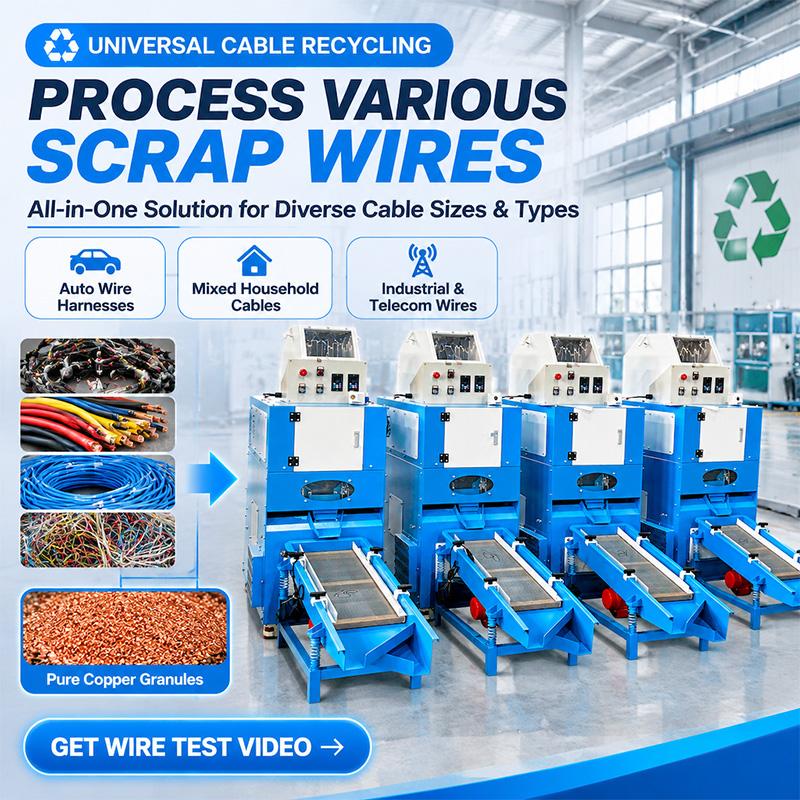
Granulators find applications across various industries, including plastics recycling, metal processing, and cable management. In recycling facilities, granulators are typically used to process scrap materials before they are further refined or repurposed. For example, in cable recycling, the granulator breaks down waste cables into smaller pieces, allowing for the separation of plastic insulation from metallic components. Utilizing a Wire Stripping Machine can further enhance the efficiency of this process.

When using a granulator, it’s vital to ensure that the machine is installed in an appropriate environment. Factors such as adequate ventilation, moisture control, and proximity to other processing equipment can influence operational efficiency. Be sure to provide sufficient space for maintenance access and consider safety protocols to protect operators during machine operation.

It’s also important to understand the operational limitations of the granulator. For instance, some machines may struggle with materials that contain excessive moisture or foreign contaminants. Therefore, preprocessing materials to remove such contaminants can enhance the granulator’s performance and longevity.

Step-by-Step Suppor

Investing in a granulator requires more than just purchasing the equipment; it involves ensuring that the machine is properly integrated into your operations. Step-by-step support from the supplier can significantly enhance your purchasing experience.

Start by engaging with the supplier during the initial stages of the buying process. They can provide valuable insights into the specifications that best suit your needs and offer recommendations based on your operational context. Once the machine is acquired, ensure that the supplier assists with installation. Proper installation is vital to achieving optimal performance and avoiding potential operational issues.

Post-installation, ongoing support can help you address any challenges that arise during the machine's operation. Whether it’s troubleshooting performance issues or understanding maintenance schedules, having access to knowledgeable support can improve your operational efficiency and extend the life of your granulator.

In summary, when considering a granulator for sale, it is essential to evaluate your specific processing needs, assess supplier reliability, and ensure that you receive comprehensive support throughout the purchasing and operational phases. By focusing on these elements, you can make a well-informed decision that enhances your recycling capabilities.

What to Consider When Buying a Granulator for Sale

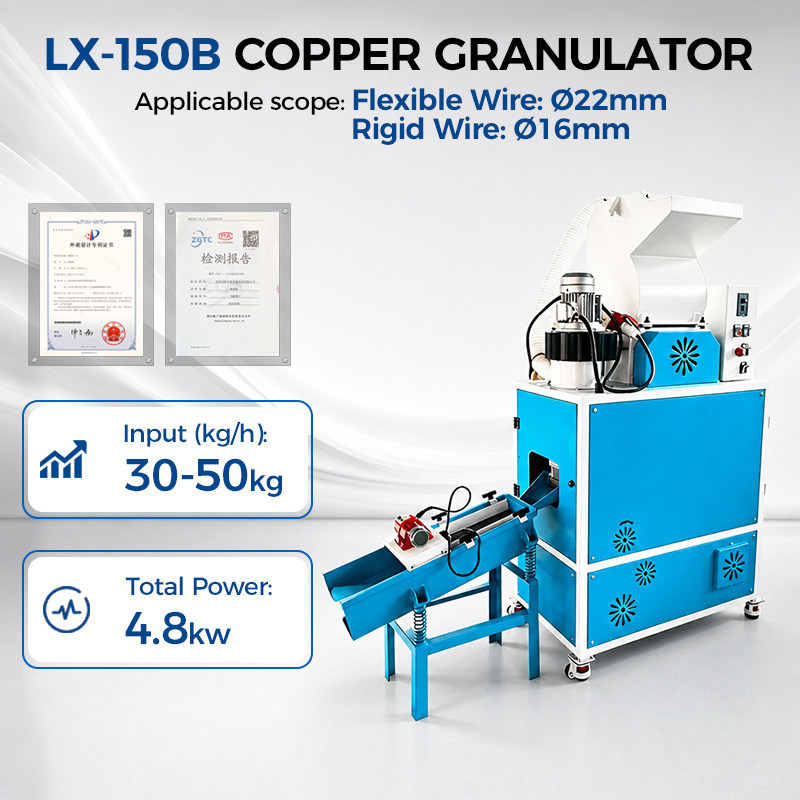
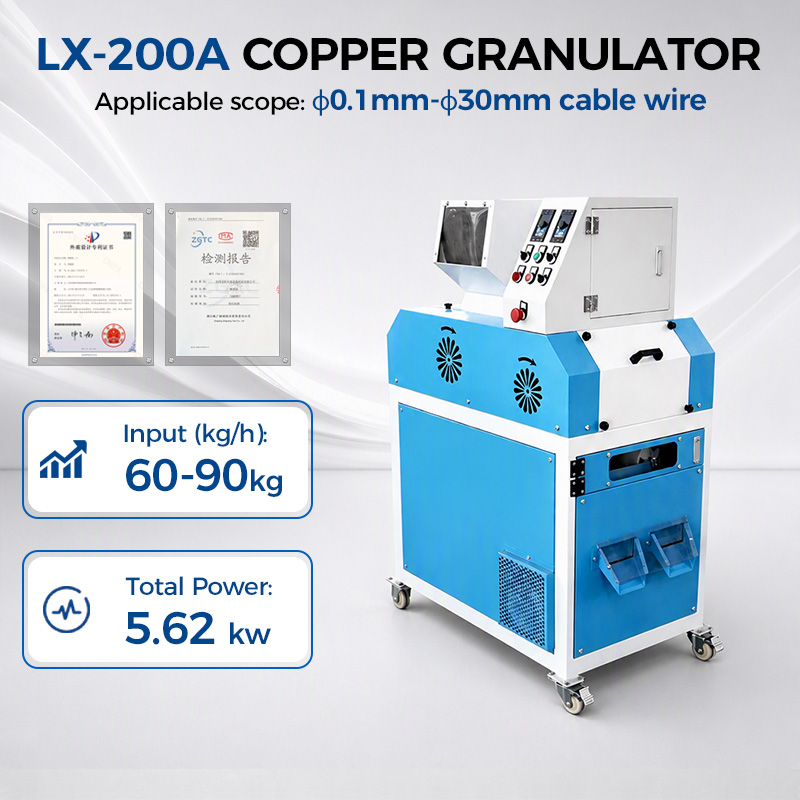
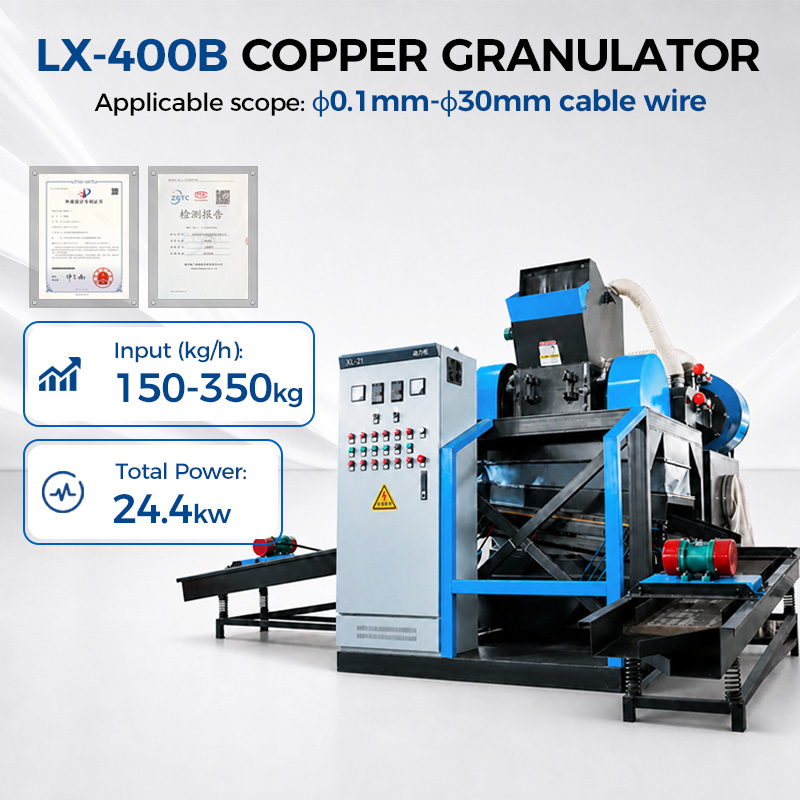
When purchasing a granulator, several factors need to be taken into account to ensure the machine meets your operational requirements. First, consider the type of materials you will be processing. Different granulators are designed for specific materials, such as plastics, metals, or cables. Understanding the material’s characteristics—such as hardness, size, and moisture content—can significantly influence the granulator's performance. For instance, if you are dealing with metal scraps, a Copper Granulator might be an ideal choice.

Next, examine the granulator's specifications, including its motor power, cutting chamber size, and blade configuration. A higher motor power can provide more efficient processing, while a larger cutting chamber may accommodate bulkier materials. Additionally, some granulators offer adjustable blade settings, which can enhance versatility for various applications.

Lastly, consider the overall reliability and durability of the machine. Look for equipment that is built with high-quality materials and has a proven track record in the industry. This can minimize downtime and maintenance costs in the long run.

Get a Free Quote

Tell us about your recycling needs, and our team will recommend the right equipment and solution for your project.
0/1000