Choosing the Right Drill Cable Stripper

application/drill-cable-stripper, application/drill-cable-stripper, 
Inquiry
Inquiry

drill cable stripper

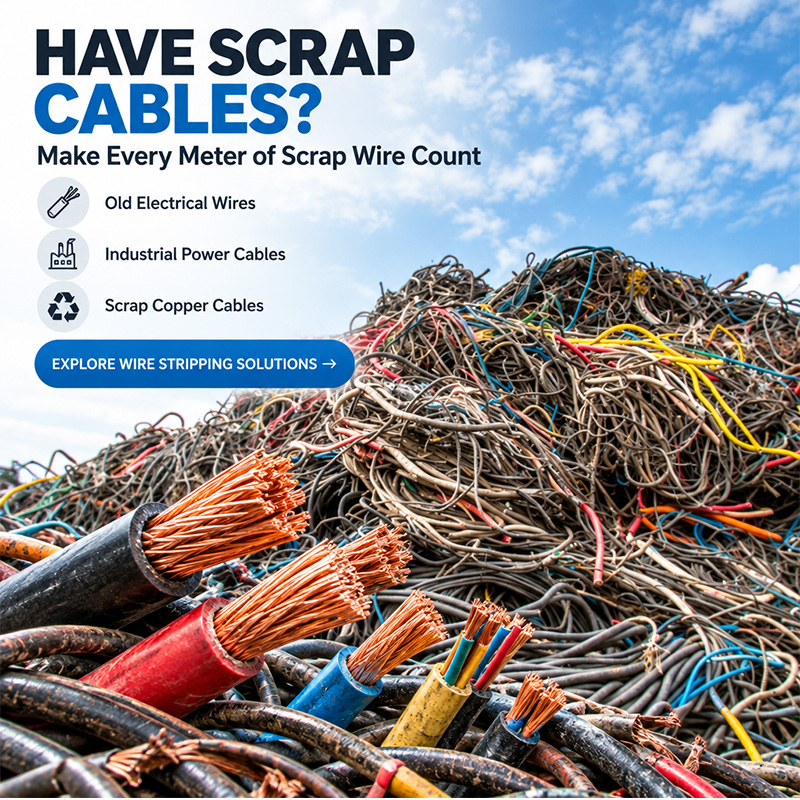
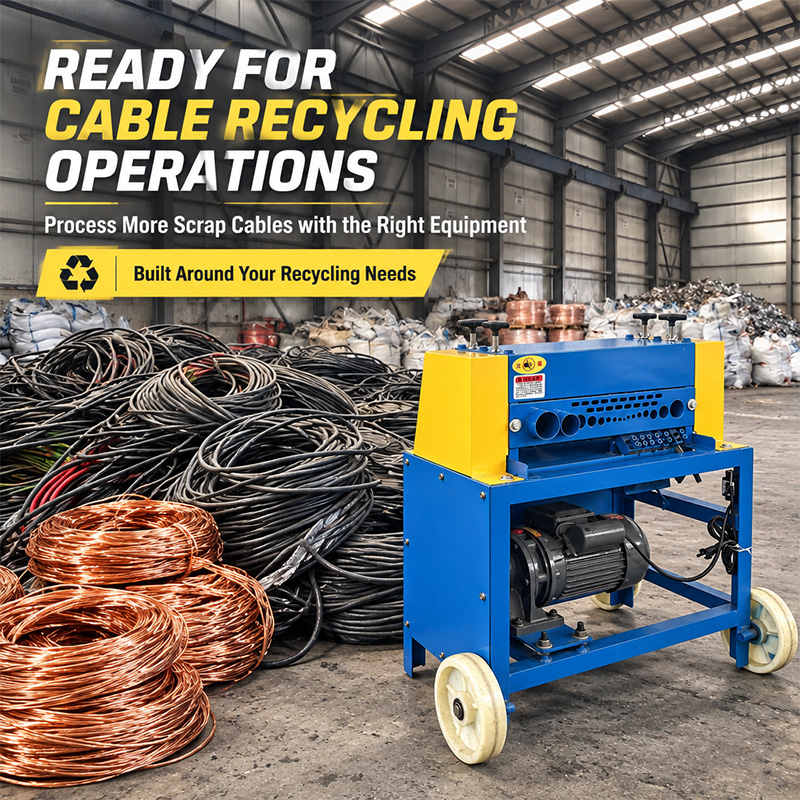
Choosing the right drill cable stripper is essential for businesses looking to efficiently process waste cables and metals. This equipment is crucial for improving recycling operations by effectively stripping insulation from cables, thus maximizing the value of the raw materials. B2B buyers often face concerns regarding performance, compatibility, and the overall cost-effectiveness of the equipment. This article will guide you through the key considerations, specifications, installation guidance, applications, and features of drill cable strippers to help you make an informed purchasing decision.

Key Specifications of Drill Cable Strippers for Wholesale Buyers

Key Specifications of Drill Cable Strippers for Wholesale Buyers

Several key specifications should be reviewed when considering a drill cable stripper:

Stripping Capacity: This refers to the maximum cable diameter and the types of materials the machine can handle. Ensure the stripper can accommodate the specific cables you will process.

Power and Efficiency: The motor power rating, typically measured in watts or horsepower, will affect the machine's ability to handle tougher cables. An efficient model can reduce energy costs and improve overall productivity.

Speed Settings: Adjustable speed settings allow for flexibility when stripping different types of cables, which can be critical for optimizing performance across various materials.

Build Quality: Materials used in manufacturing the stripper, such as high-grade steel, contribute to its durability and lifespan. Look for models with robust construction to withstand frequent use.

Safety Features: Ensure that the machine includes necessary safety features such as emergency stop buttons, protective guards, and overload protection to safeguard operators.

Maintenance Accessibility: Machines designed for easy maintenance can minimize downtime, so check if parts are easily accessible and whether the manufacturer provides comprehensive service documentation.

Installation Guidance for Optimal Use of Drill Cable Strippers

Installation Guidance for Optimal Use of Drill Cable Strippers

Proper installation is crucial for the optimal performance of drill cable strippers. Begin by selecting a suitable location that allows for sufficient space around the machine for operation and maintenance. Ensure that the floor is level and capable of supporting the weight of the stripper and any associated equipment.

Next, check the electrical requirements. Confirm that the power supply matches the machine specifications, taking into account voltage and current ratings. If the machine requires a three-phase power supply, ensure your facility is equipped accordingly.

Once installed, conduct a thorough inspection of the machine before operation. Verify that all components are securely fitted and that safety features are functional. Familiarize operators with the manual for specific operating instructions and safety protocols. Regularly scheduled maintenance and inspections will help keep the machine running smoothly and extend its lifespan.

Understanding the Applications of Drill Cable Strippers in Industry

Understanding the Applications of Drill Cable Strippers in Industry

Drill cable strippers are utilized across various industries, particularly in recycling and waste management. Their primary function is to strip insulation from cables, which allows businesses to recover valuable metals such as copper and aluminum. This process is vital in enhancing the profitability of recycling operations. Additionally, machines like the LX-400B 150-350kg/h Copper Wire Granulator with Cooling System can complement the work of cable strippers by processing the recovered materials efficiently.

Additionally, these machines find applications in electrical contracting, where they can be used to prepare cables for installation in new projects. Using a drill cable stripper ensures that cables are efficiently stripped to the required specifications, reducing labor costs and time during installation.

In manufacturing settings, they are essential for processing scrap materials, allowing companies to reclaim metal content from waste products. The versatility of drill cable strippers makes them a valuable asset in any operation dealing with metal recycling, electrical installation, or waste management.

Features and Benefits for Contractors

Contractors can benefit significantly from investing in a drill cable stripper due to its efficiency and cost-saving potential. Key features that enhance value include:

Versatility: Many models can handle a wide range of cable sizes and materials, making them suitable for various applications—from recycling centers to construction sites.

User-Friendly Design: Modern strippers often feature intuitive controls and ergonomic designs, allowing operators to work efficiently with minimal training.

Cost-Effectiveness: By improving stripping efficiency, contractors can reduce labor costs and increase the speed at which they process materials, leading to higher profit margins.

Durability and Reliability: High-quality construction ensures that these machines are built to last, reducing the frequency of replacements and repairs.

Customization Options: Some manufacturers offer customized solutions tailored to specific operational needs, enabling contractors to optimize their processes further.

Choosing the right drill cable stripper involves a careful evaluation of your needs, specifications, and the applications specific to your industry. By considering these factors, you can select a machine that enhances productivity, efficiency, and profitability in your operations.

What to Consider When Choosing a Drill Cable Stripper for Your Needs

When selecting a drill cable stripper, several factors should be taken into account to ensure it meets your operational requirements. First, consider the types of cables you will be processing. Different cable compositions—such as copper, aluminum, or mixed metals—require specific stripping capabilities. The diameter and thickness of the cables also influence the choice of stripper, as not all models can handle varying sizes efficiently. For example, the LE-500B Electrostatic Separator for Copper and Plastic Recovery is designed to handle mixed materials efficiently.

Next, evaluate the machine's stripping speed and efficiency. A higher throughput can significantly improve productivity, especially in larger operations. Additionally, assess the machine's ease of use, maintenance requirements, and the availability of parts and service. A reliable after-sales support system is vital for minimizing downtime during operations.

Lastly, consider the budget and total cost of ownership. While initial costs are important, factors such as energy consumption, maintenance costs, and the potential for increased revenue through improved recycling rates should also be factored into your decision.

Frequently Asked Questions

What is the drill cable stripper used for?

The drill cable stripper is designed to efficiently remove insulation from various power and communication cables, improving recycling and metal recovery processes for waste cable handling.
It supports a range of cable diameters from small signal wires to larger power cables; exact size capacity is customizable based on your requirements.
Yes. We offer customized solutions, design integration, and manufacturing adjustments to match your processing line and recycling needs.
We provide technical guidance, spare parts, remote assistance, and on-site service options to ensure reliable long-term operation and minimal downtime.
The stripper increases throughput, reduces manual labor, and produces cleaner separated metal and insulation, enhancing material recovery and reducing processing costs.

Get a Free Quote

Tell us about your recycling needs, and our team will recommend the right equipment and solution for your project.
0/1000