Essential Guide to Alligator Shears for Sale

application/alligator-shear-for-sale, application/alligator-shear-for-sale, 
Inquiry
Inquiry

alligator shear for sale

When considering the purchase of an alligator shear for sale, it’s essential to understand what makes this equipment suitable for your specific recycling needs. Alligator shears are heavy-duty machines designed to cut various materials, especially in recycling applications, such as waste cables and metals. Buyers often face concerns about performance, quality, and customization options, which can significantly impact their purchasing decision. This article will guide you through the critical factors to consider when selecting an alligator shear, comparing specifications, sourcing suppliers, ensuring quality, and troubleshooting common issues.

How to Compare Alligator Shear Specifications Effectively

Comparing specifications is essential for making an informed purchasing decision. Here are some key specifications to examine:

Blade Material and Hardness: The material composition of the blades affects durability and cutting performance. High-carbon steel or alloyed steel are common choices due to their toughness and longevity. Check hardness ratings, as higher hardness typically translates to better wear resistance.

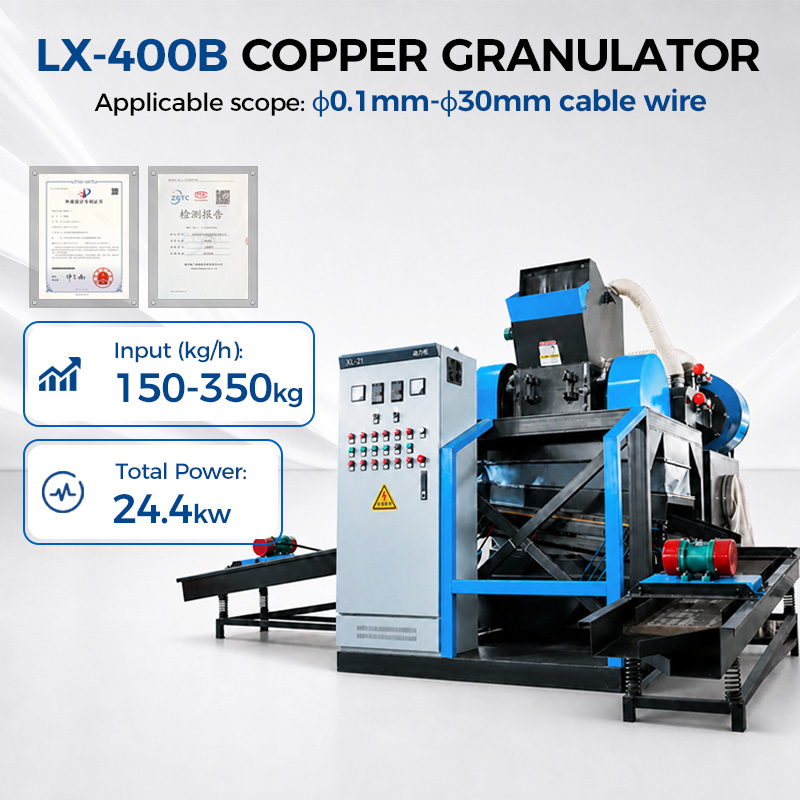
Cutting Force and Power Requirements: Specifications should include the shear's cutting force (measured in tons) and the power requirements (typically in kilowatts). Ensure that your electrical infrastructure can support the machine's power needs, similar to what is required for machines like the LX-400C Fully Enclosed Copper Wire Granulator.

Cycle Time: This refers to the time it takes to complete one cutting operation. A shorter cycle time enhances productivity, so consider this when evaluating different models.

Dimensions and Weight: The shear's dimensions and weight can impact installation and mobility. Ensure that your workspace can accommodate the shear and that its weight is manageable for your operational setup.

Safety Features: Look for built-in safety mechanisms, such as emergency stops and safety guards. These features are critical for protecting operators and ensuring compliance with safety regulations.

Where to Source

Sourcing alligator shears effectively involves identifying reputable manufacturers and suppliers. Here are some tips for locating reliable sources:

Industry Reputation: Research potential suppliers' reputations within the recycling and manufacturing sectors. Look for companies with a track record of reliability and quality.

Certifications: Check if the supplier possesses relevant industry certifications, which can indicate compliance with international quality standards.

Trade Shows and Expos: Attending industry-specific trade shows can provide direct interaction with manufacturers. This allows you to assess equipment first-hand and discuss customization options.

Online Marketplaces: Use B2B platforms that specialize in industrial machinery to compare different suppliers. Look for reviews and ratings from previous customers to gauge reliability.

Direct Inquiry: Contact manufacturers directly to discuss your specific needs. This can provide insights into their capabilities, lead times, and customization options.

Key Quality Assurance Measures for Alligator Shears

Quality assurance is critical for ensuring that your alligator shear performs reliably. Here are key measures to consider:

Material Inspection: Ensure that all materials used in manufacturing the shear undergo stringent quality inspection. This includes checks for material composition and mechanical properties.

Production Process Control: A reputable manufacturer will have established quality control processes throughout the production stages. This includes monitoring the machining, assembly, and finishing processes to ensure that specifications are met.

Testing Procedures: Request information about the testing procedures used before shipment. This may include functional tests, cutting performance assessments, and safety checks.

Documentation and Certification: Ensure that you receive all necessary documentation, including certifications of compliance with industry standards, which can be crucial for quality assurance.

Warranty and Support: A solid warranty can provide peace of mind regarding the shear's longevity and performance. Make sure to understand the warranty terms and the manufacturer’s commitment to after-sales service.

Common Problems with Alligator Shears and Effective Solutions

Understanding common issues with alligator shears can help buyers prepare for potential challenges. Here are some frequent problems and their solutions:

Blunt Blades: Over time, blades can become dull, leading to inefficient cutting. Regular maintenance and timely blade replacements are essential. Consider investing in a sharpening service or purchasing spare blades.

Hydraulic Issues: Hydraulic shears may experience leaks or pressure drops. Regularly inspect hydraulic lines and connections to identify any wear and tear. Maintenance should include checking hydraulic fluid levels and replacing seals as necessary.

Electrical Failures: Electrical components may fail due to overload or improper voltage supply. Ensure your electrical setup matches the machine’s requirements and conduct regular checks of electrical systems.

Misalignment: If the shear becomes misaligned, it can lead to uneven cuts. Regularly check and adjust the setup to maintain proper alignment, especially after blade replacements.

Operator Training: Many issues arise from improper use. Providing thorough training for operators can mitigate risks and enhance overall equipment performance.

By considering these factors and understanding the specifications and common issues associated with alligator shears, B2B buyers can make informed decisions that align with their operational needs. Whether you are looking to purchase an alligator shear for sale or seeking a customized solution, the right preparation will ensure you choose the best equipment for your recycling operations.

What to Consider When Selecting Alligator Shears for Bulk Orders

When ordering alligator shears in bulk, several factors must be evaluated to ensure optimal performance and suitability for your recycling operations. Key considerations include:

Material Compatibility: Determine the types of materials you will be processing. Alligator shears can handle various metals and cables, but the thickness and hardness of the materials will affect the shear's design and cutting capacity.

Cutting Capacity: Assess the shear's maximum cutting force and blade size. This is crucial for ensuring that the machine can efficiently process your expected load without compromising performance.

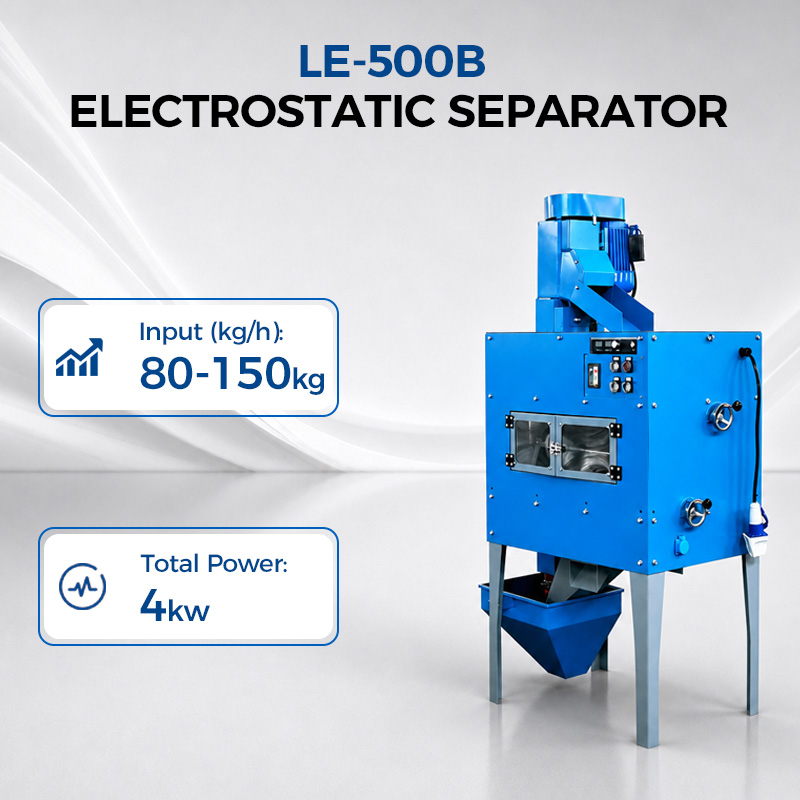
Customization Options: Different projects may require specific modifications to the shear, such as blade configurations or additional features. Suppliers like Hangzhou Lansing Machinery Co., Ltd. can offer tailored solutions based on your operational needs, including options like the LE-500B Electrostatic Separator for Copper and Plastic Recovery.

Lead Time and Minimum Order Quantity (MOQ): Understand the production lead time and MOQ, as these can impact your project timelines. Suppliers often have different capabilities, so it's essential to align your needs with their offerings.

After-Sales Support: Evaluate the support services provided by the manufacturer. Reliable after-sales service is critical for maintenance and troubleshooting, ensuring that your equipment remains in optimal working condition.

Get a Free Quote

Tell us about your recycling needs, and our team will recommend the right equipment and solution for your project.
0/1000

Related product categories